Join our mailing list! We'll notify you of meetings, trainings, and other new developments in National NAGPRA.
What's New?
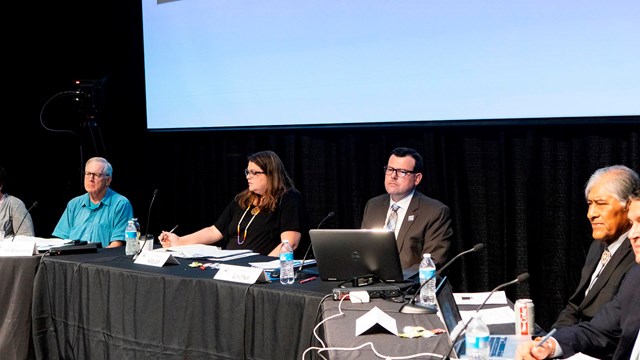
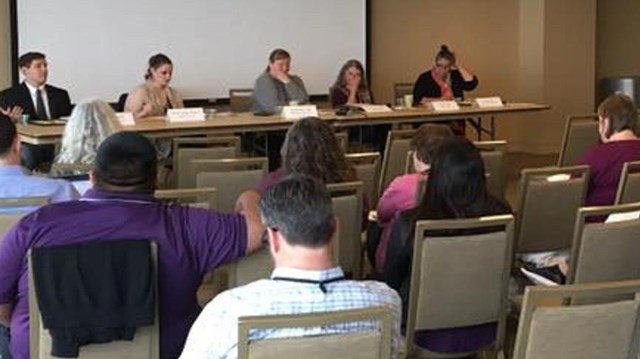
Review Committee Meeting -
May 14, 2010 via teleconference
-Minutes
-Transcripts
Notices of Inventory Completion templates
Looking for forms to request a recommendation regarding a CUI Agreement? Read more
UPCOMING NAGPRA REVIEW COMMITTEE MEETINGS (Notice published in Federal Register March 2, 2010)
NOVEMBER
17-19, 2010, Washington, DC
---Sept. 17 Deadline for presentation requests
---Oct. 22 Final agenda for this meeting posted to website
Forms, Templates, and Sample Documents
What's New In Training...
Sept 8, 2010 2:00 – 4:00PM (EST) –- FY10 Grantees – Grants Administration
October 4, 2010 - Phoenix, AZ
Determining Cultural Affiliation
October 5, 2010- Phoenix, AZ
NAGPRA Notices: Types, Process, Content
October 6-7, 2010 - Phoenix, AZ
Writing and Managing a Successful NAGPRA Grant
Oct 28, 2010
2:00 – 4:00PM (EST) –- International Repatriation: Points of Return for Native American Ancestors and Cultural Items Situated Outside of the United States
|
National NAGPRA Databases
As anticipated, the online Culturally Affiliated Native American Inventories Database is now fully populated. It was initially launched in March when it was only 25% complete. READ MORE
Scheduled to launch in August is the Summaries Database. Each record will contain the name of the tribe(s) receiving a copy of a summary from a museum or Federal agency. READ MORE
For further information on National NAGPRA Databases, contact Mariah Soriano at (202) 354-2205 or email nagpra_info@nps.gov.
***
CUI Rule Published March 15
The reserved section of the NAGPRA regulations, 10.11, the disposition of culturally unidentifiable Native American human remains, published on Monday, March 15, as a final rule.
Read the press release.
The rule will be effective on May 14, 2010. During the 60 days, the public may submit additional comments on the rule to Regulations.gov. The comments will thereafter be considered as to whether amendment to the rule is appropriate.
The National NAGPRA Program is offering a webinar prior to the comment deadline, which includes a training on the rule.
AT A GLANCE: 43 CFR 10.11 - Disposition of Culturally Unidentifiable Native American Human Remains
***
SAVE THE DATE
NAGPRA at 20
November 15 -16, 2010
Washington, DC
To mark the 20th anniversary of the passage of NAGPRA, the National NAGPRA Program is spearheading with partners a two-day symposium assessing the impact of NAGPRA on tribes, museums and Federal agencies. NAGPRA at 20 will be a forum to remember the past, the circumstances in which NAGPRA was created, to consider the present, by looking at both best practices and challenges that we face today, and to consider the issues and challenges that will shape the future of NAGPRA and repatriation generally. A planning group is currently seeking input regarding the content and format of sessions as well as speakers for the symposium. Read here for further information including preliminary session descriptions.
***
Archive
------------------------------------------------------------------
The Native American Graves Protection and Repatriation Act (NAGPRA) is a Federal law passed in 1990. NAGPRA provides a process for museums and Federal agencies to return certain Native American cultural items -- human remains, funerary objects, sacred objects, and objects of cultural patrimony - to lineal descendants, culturally affiliated Indian tribes, and Native Hawaiian organizations.
The National NAGPRA program assists the Secretary of the Interior with some of the Secretary's responsibilities under NAGPRA. Among its chief activities, National NAGPRA develops regulations and guidance for implementing NAGPRA; provides administrative and staff support for the Native American Graves Protection and Repatriation Review Commitee; assists Indian tribes, Native Alaskan villages and corporations, Native Hawaiian organizations, museums, and Federal agencies with the NAGPRA process; maintains the Native American Consultation Database (NACD) and other online databases; provides training; manages a grants program; investigates allegations of failure to comply; and makes program documents and publications available on the Web.
|
|