Preservation Tech Notes, Historic Glass Number 1, Repair and Reproduction of Prismatic Glass Transoms
TPS graphic header with link to ParkNet

PRESERVATION TECH NOTES   HISTORIC GLASS NUMBER 1


Problem

photo of plywood covering transoms
When the Hamm Building rehabiliation began, most of the prismatic tiles (above the awnings) were hidden beneath plywood panels. Photo: Oertel Architects.

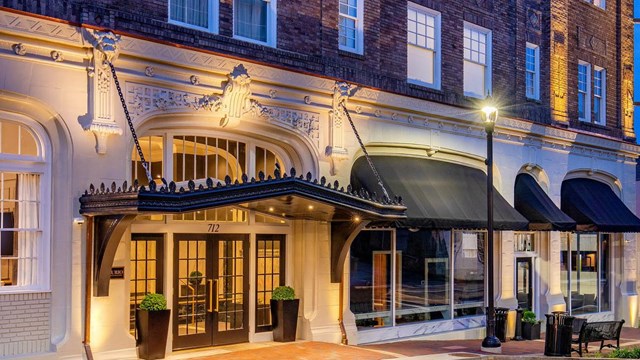
When the Hamm Building was rehabilitated beginning in 1996, plans were made to return the prism glass transoms to their historic appearance. At the time, all but sixteen of the panels were obscured behind plywood sheets. Installed decades before, the covering was probably a response to the gradual deformation of the assemblies and water infiltration that resulted from deferred maintenance. The desire for a more contemporary appearance and more prominent sign space may also have been factors.

   After removing the plywood, the individual panels were found to be in various states of disrepair. In approximately 20 percent, the tiles were either completely missing or had fallen to a pile at the bottom of the frame. Most panels that survived were bulging or sagging and had severely pitted and corroded came and cracked solder joints. Numerous paint layers covered the exterior surface of the panels and several had holes cut to accommodate the addition of air conditioning or ventilation ducts.

photo of vent duct through transom
Tiles had been removed from the panel above to fit a ventilation duct. When the panels were later rebuilt new material was needed to replace missing tiles. Photo: Oertel Architects.

   Repairing the transoms required a knowledgeable craftsperson experienced in specialty glass assemblies and exterior installations. A source for replacement tiles for missing or damaged original tiles was also necessary. Both presented challenges, as the skills and materials developed for the prism glass industry became scarce when the popularity of the panels faded. As is the case with many twentieth century materials from plastic laminate walls to Vitrolite storefronts, finding suitable replacement material was a primary obstacle to restoring the transoms successfully (see Replacement Glass for Historic Prismatic Transoms). Prismatic tiles had not been mass-produced for sixty years and all of the manufacturers had either folded or were involved in completely different markets. Finding the right craftsperson or workshop also proved difficult. The work required an understanding both of zinc glazing and the structural and environmental demands that accompanied an installation the size of the Hamm Building panels.

Solution

Repair of the prismatic glass transoms involved removing, disassembling, cleaning, and reglazing the surviving panels with original glass tiles, some replacement glass, and new zinc came. Rehabilitation of the transoms also provided an opportunity to increase the strength of the original assembly. Simply rebuilding the panels according to the original design would establish the same conditions that contributed to their initial failure. With this in mind, the rebuilt panels incorporated unobtrusive changes that provided additional reinforcement.

   All of the surviving prismatic tiles were used again in the rebuilt panels. The number of surviving tiles, however, was sufficient to rebuild only forty-six of the fifty-six panels. Since the project team was unable at the time to locate an affordable source for newly cast replacement tiles, a textured, or patterned, glass served as a substitute in the remaining ten panels. Purchased in sheets from an art glass dealer and cut to size in the workshop, the appearance of the replacement glass was a close approximation of the original bubble design.

   The contract for rebuilding the Hamm Building transoms was awarded to a local stained glass studio. Their previous work with leaded glass windows demonstrated an understanding of structural load issues, expansion and contraction characteristics, and other concerns relating to glass assemblies in exposed locations. The studio owner also had considerable experience repairing and rebuilding smaller prismatic glass installations. After meeting with the studio team and viewing examples of their earlier work, the architects decided that the company would provide the level of expertise and quality required for such a historically significant and highly visible project.


Rebuilding the Transoms

return to introduction


Site Map


Home |  Search |  E-mail |  Technical Preservation Services |  NPS History & Culture

Technical Preservation Services Home National Park Service Home