Preservation Tech Notes, Historic Glass Number 1, Repair and Reproduction of Prismatic Glass Transoms
TPS graphic header with link to ParkNet

PRESERVATION TECH NOTES    HISTORIC GLASS NUMBER 1


Evaluation

The rehabilitation of the Hamm Building transoms included reassembling over 12,500 prism tiles into fifty-six panels. All of the surviving historic prisms were preserved in the rebuilt transoms. Replacement materials including zinc came and new patterned glass tiles were selected for their similarity to the original materials; modifications were developed that did not significantly alter the historic appearance of the panels.
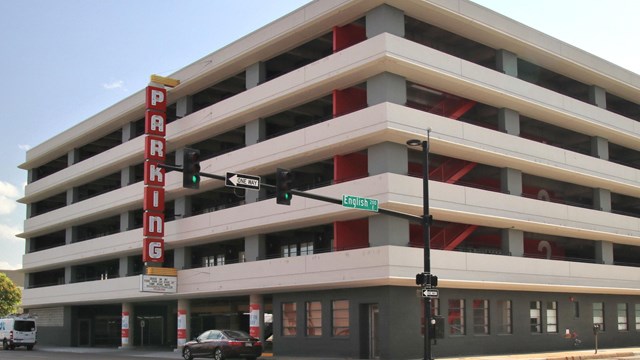
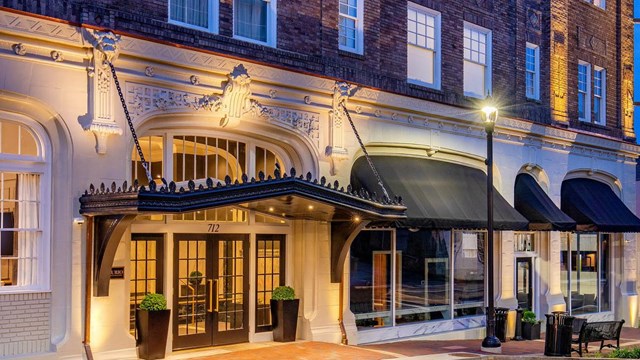
exterior photo of Hamm Building
Rebuilt panels with original tiles are shown on the left next to those featuring replacement textured glass.

   It was important in this case, for the transom rehabilitation program to address long-term concerns over the structural strength and weather resistance of the original panels. The addition of reinforcing bars counters the tendency of wind and temperature extremes to distort the transoms. Applied on the interior, such a system has the added benefit of being virtually undetectable. The longevity of the panels including their continued weather resistance is best assured through a process of regular inspection and maintenance and, when necessary, regrouting the panels before leaks develop.

   Though the Hamm Building transoms were deteriorated to a point where they had to be removed and taken apart, there are occasions where repairs may not require complete disassembly. In cases where the came is in good condition, but a single tile is missing or severely cracked, the panels can be removed to a workshop and the came flange adjacent to the damaged tile opened up with lead pliers. A replacement tile can then be fitted into the channels, and the came pushed back in place by hand and resoldered together. The rigidity of zinc and the difficulty of soldering on a vertical plane make in situ repairs to prismatic transoms extremely difficult.

Conclusion

The Hamm Building prismatic glass transoms are more than a tool for bringing daylight into ground floor shops and entrances; they are an integral feature of the building facade. The preserved prisms impart an openness and visual texture to the storefronts that were important to the building's design and historic appearance. Although the deteriorated condition of the seventy-five year old panels necessitated major repair, work was planned to retain as much historic material as possible. Reglazed panels incorporated historic tiles and vent hardware while adhering to the dimensions, construction and overall appearance of the historic configuration. Where missing or damaged elements required replacement, new materials approximated the appearance of the original features. Lastly, modifications to the transoms improved the strength of the transoms but did not intrude upon the historic appearance of the prismatic tiles and the Hamm Building exterior.

Additional Reading

Neumann, Dietrich. "Prismatic Glass." In Twentieth Century Building Materials. History and Conservation.
Thomas C. Jester, ed. New York, NY: McGraw-Hill, 1995.

Vogel, Neal A. and Achilles, Rolf. Preservation Brief 33.The Preservation and Repair of Historic Stained
and Leaded Glass.
Washington, DC: US Department of Interior, National Park Service, 1993.


Project Data and Credits

Project Data and Credits


Site Map


Home |  Search |  E-mail |  Technical Preservation Services |  NPS History & Culture

Technical Preservation Services Home National Park Service Home