Caring for the PastSales Publications Catalog
Technical Preservation Services (TPS) has produced over 150 publications that are readily available to the public, and has sold and distributed over 5 million copies. The collection includes Standards and Guidelines, public service leaflets and books on using the Tax Incentives, reports on conserving fragile historic building materials, case studies on specific structures, and a wealth of technical guidance on preserving historic buildings.
For a listing of publications offered free of charge, please go to HPS Free Bookshelf. You may order a total of five publications online and have them mailed to you at no cost. Most TPS publications are sold by the Government Printing Office (GPO). GPO stock numbers are listed for all publications available through GPO and are required for all GPO orders. To place a GPO order:
Federal Historic Preservation Laws. Includes 24 Federal laws and portions of laws that pertain to the preservation of the Nation's cultural heritage. Arranged chronologically, the laws trace the evolution of historic preservation and cultural resource management philosophy from the Antiquities Act of 1906 through the American Battlefield Protection Act of 1996. The laws laid the foundation for the National Park Service as the lead Federal preservation agency and for the national historic preservation partnership that includes NPS, other Federal agencies, Tribal Preservation Offices, State Historic Preservation Offices, Certified Local Governments, and private organizations. The publication presents each of the Federal statutes in the format of the Act, as amended, through December 2001. Selected laws, including the National Historic Preservation Act of 1966 and the American Battlefield Protection Act of 1996, were updated to December 2004. 212 pages. Revised 2006. GPO stock number, 021-000-00193-7. $18.00 per copy.
Standards and Guidelines Since their publication in 1976, the Secretary's Standards developed by the National Park Service have been used by State Historic Preservation Officers and the National Park Service to ensure that projects receiving Federal grant money or tax benefits were reviewed in a consistent manner nationwide. The principles embodied in the Standards have also been adopted by hundreds of preservation commissions nationwide in local design guidelines. While the Standards provide a consistent philosophical framework for treatment, the Guidelines suggest a model process to follow in the work, and thus assist in applying the Standards to historic buildings. The Secretary of the Interior's Standards for Rehabilitation with Guidelines for Rehabilitating Historic Buildings. Unillustrated version. The Standards are used in the Preservation Tax Incentives program to determine whether the historic character of a building is preserved in the process of rehabilitation. Accompanying guidelines assist in applying the Standards. 61 pages. 1990. GPO stock number: 024-005-01230-3. $5.50 per copy. The Secretary of the Interior's Standards for Rehabilitation with Illustrated Guidelines for Rehabilitating Historic Buildings. W. Brown Morton III, Gary L. Hume, Kay D. Weeks, and H. Ward Jandl. The 1990 Standards for Rehabilitation are regulations (36 CFR 67) used within the Preservation Tax Incentives program when determining whether the historic character of a building is preserved in the process of rehabilitation. The Standards are also used by federal agencies and state programs, and have been adopted by many local historic district commissions nationwide. Accompanying guidelines and captioned illustrations assist in applying the 1990 Standards for Rehabilitation; they recommend responsible methods and approaches and also list those treatments that should be avoided. 160 pages. 230 illustrations. 1992. GPO stock number: 024-005-01091-2. $16.50 per copy. The Secretary of the Interior's Standards for the Treatment of Historic Properties with Illustrated Guidelines for Preserving, Rehabilitating, Restoring, and Reconstructing Historic Buildings. Kay D. Weeks and Anne E. Grimmer. The 1995 Standards for the Treatment of Historic Properties are regulations (36 CFR 68) used within the HPF grant-in-aid program to States, tribes, and local governments. They are also used by federal agencies, and have been adopted by many local historic district commissions nationwide. Updated Guidelines in a recommended/not recommended format address all four work options offered in the Standards, as applied to historic buildings. They are useful to anyone undertaking a historic preservation project on a historic building. 188 pages. 79 illustrations. GPO stock number: 024-005-01157-9. $29.50 per copy. Working on the Past with the Secretary of the Interior's Standards for the Treatment of Historic Properties. (Video) Provides a clear explanation of the philosophical differences between the treatments Preservation, Rehabilitation, Restoration, and Reconstruction through interviews, graphics, and examination of four historic properties. Intended to assist owners, managers, and design professionals in selecting and applying the most appropriate treatment. Also discusses the interpretive consequences of treatment. 40 minutes. VHS. Developed by the National Park Service, Technical Preservation Services (Kay Weeks) and Horace M. Albright Training Center (Jim Boyd). Sold by the Historic Preservation Education Foundation. $15.00, including postage and handling. Send your order and payment to: Historic Preservation Education Foundation, P.O. Box 77160, Washington, DC, 20013-7160. Make checks payable to "Historic Preservation Education Foundation."
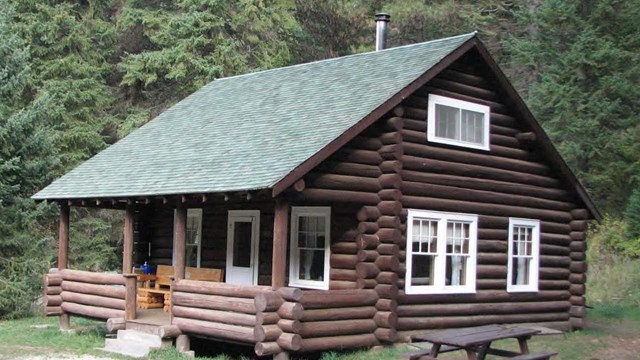
Preservation Briefs assist owners and developers of historic buildings in recognizing and resolving common preservation and repair problems prior to work. The briefs are especially useful to preservation tax incentive program applicants because they recommend those methods and approaches for rehabilitating historic buildings that are consistent with their historic character. In addition to purchasing the printed PBs from GPO, please don't miss the online Illustrated Preservation Briefs. Preservation Briefs #1-14Sold only as a set. 1998. GPO stock number: 024-005-01026-2. $18.00. Preservation Brief 1: Assessing Cleaning and Water-Repellent Treatments for Historic Masonry Buildings. Robert C. Mack, FAIA, and Anne E.Grimmer. Surveys a variety of cleaning methods and materials and provides guidance on selecting the most appropriate method and the gentlest means possible. Discusses water-repellent coatings and waterproof coatings together with the purpose of each, the suitability of their application to historic masonry buildings, and possible consequences of their inappropriate use. 16 pages. 27 illustrations. 2000. GPO stock number: 024-005-01207-9. $2.25 per copy. Preservation Brief 2: Repointing Mortar Joints in Historic Masonry Buildings. Robert C. Mack, FAIA, and John P. Speweik. Provides general guidance on appropriate materials and methods for repointing historic masonry buildings. This publication revises the 1980 edition of Preservation Briefs 2: Repointing Mortar Joints in Historic Brick Buildings and includes guidance for all types of historic masonry. 16 pages. 36 illustrations. 1998. Preservation Brief 3: Conserving Energy in Historic Buildings. Baird M. Smith, AIA. Provides information on materials and techniques to consider or avoid when undertaking weatherization and energy conservation measures in historic buildings. 8 pages. 8 illustrations. 1978. Preservation Brief 4: Roofing for Historic Buildings. Sara M. Sweetser. Provides a brief historic of the most commonly used roofing materials in America. Presents a sound preservation approach to roof repair, roof replacement, and the use of alternative roofing materials. 8 pages. 1978. Preservation Brief 5: The Preservation of Historic Adobe Buildings. Provides information on the traditional materials and construction of adobe buildings, and the causes of adobe deterioration. Makes recommendations for preserving historic adobe buildings. 8 pages. 15 illustrations. 1978. Preservation Brief 6: Dangers of Abrasive Cleaning to Historic Buildings. Anne E. Grimmer. Cautions against the use of sandblasting to clean various buildings and suggests measures to mitigate the effects of improper cleaning. Explains the limited circumstances under which abrasive cleaning may be appropriate. 8 pages. 10 illustrations. 1979. Preservation Brief 7: The Preservation of Historic Glazed Architectural Terra-Cotta. de Teel Patterson Tiller. Discusses deterioration problems that commonly occur with terra-cotta and provides methods for determining the extent of such deterioration. Makes recommendations for maintenance and repair, and suggests appropriate replacement materials. 8 pages. 11 illustrations. 1979. Preservation Brief 8: Aluminum and Vinyl Siding on Historic Buildings: The Appropriateness of Substitute Materials for Resurfacing Historic Wood Frame Buildings. John H. Myers, revised by Gary L. Hume. Discusses the appearance of various types of historic wood siding and makes recommendations for repair and replacement. Outlines the very limited instances under which substitute siding may be an acceptable alternative. 7 pages. 5 illustrations. Revised 1984. Preservation Brief 9: The Repair of Historic Wooden Windows. John H. Myers. Provides useful information on evaluating and repairing historic wooden windows found in typical rehabilitation projects. Emphasizes practical methods for homeowners or developers. 8 pages. 10 illustrations. 1981. Preservation Brief 10: Exterior Paint Problems on Historic Woodwork. Kay D. Weeks and David W. Look, AIA. Identifies and describes common types of paint surface conditions and failures. Provides guidance on preparing historic woodwork for repainting, including limited and total paint removal. 12 pages. 14 illustrations. 1982. Preservation Brief 11: Rehabilitating Historic Storefronts. H. Ward Jandl. Explores the role of the storefront in historic buildings and provides guidance on rehabilitation techniques for historic storefronts as well as compatible storefront designs. 12 pages. 12 illustrations. 1982. Preservation Brief 12: The Preservation of Historic Pigmented Structural Glass (Vitrolite and Carrara Glass). Provides information on the early manufacture, installation, and use of this decorative building product commonly found in 20th century buildings; reasons for its damage; and a general approach for its maintenance, repair, and replacement. 8 pages. 16 illustrations. 1984. Preservation Brief 13: The Repair and Thermal Upgrading of Historic Steel Windows. Sharon C. Park, AIA. Presents brief historical background on the development, use, and styles of rolled steel windows popular in the first half of the 20th century. Explains steps for cleaning and repairing damaged steel windows; also provides information on appropriate methods of weatherstripping and options for storm panels or the installation of thermal glass. 12 pages. 10 illustrations. 1984. Preservation Brief 14: Exterior Additions to Historic Buildings: Preservation Concerns. Kay D. Weeks. Uses a series of examples to suggest ways that attached additions can successfully serve contemporary uses as part of a rehabilitation project while preserving significant historic materials and features and the building's historic character. 12 pages. 30 illustrations. 1986. Preservation Briefs #15-23Sold only as a set. 2007. GPO stock number: 024-005-01256-7. $17.00 per set. Preservation Brief 15: Preservation of Historic Concrete. Paul Gaudette and Deborah Slation. Discusses the characteristics of concrete and causes of deterioration. Includes information on cleaning, maintenance, and repair, and on protective systems. 16 pages. 37 illustrations. 2007. GPO stock number: 024-005-01253-2. $3.75 per copy. Preservation Brief 16: The Use of Substitute Materials on Historic Building Exteriors. Sharon C. Park, AIA. Includes a discussion of when to use substitute materials, cautions regarding their expected performance,and descriptions of several substitute materials together with advantages and disadvantages. Summary charts included. 16 pages. 34 illustrations. 1988. Preservation Brief 17: Architectural Character - Identifying the Visual Aspects of Historic Buildings as an Aid to Preserving Their Character. Lee H. Nelson, FAIA. Essential guidance to help property owners and architects identify those features of historic buildings that give the building its visual character so that their preservation can be maximized in rehabilitation. 12 pages. 27 illustrations. 1988. Preservation Brief 18: Rehabilitating Interiors in Historic Buildings - Identifying Character-Defining Elements. H. Ward Jandl. Assists building owners in identifying significant interior spaces, features, and finishes so they may be preserved in rehabilitation work. The guidance applies to all building types and styles, from 18th century churches to 20th century office buildings. 8 pages. 11 illustrations. 1988. Preservation Brief 19: The Repair and Replacement of Historic Wooden Shingle Roofs. Sharon C. Park, AIA. Discusses historic wooden roofing, expectations for longevity, and repair and replacement options. Identifies roofing material that duplicates the appearance of a historic roof, offers guidance on proper installation, and provides information on coatings and maintenance procedures to help preserve the roof. 12 pages. 16 illustrations. 1989. Preservation Brief 20: The Preservation of Historic Barns. Michael J. Auer. Identifies historic barn types, helps owners understand the historic character of their barns, and offers advice on the maintenance, repair, and rehabilitation of old and historic barns. 12 pages. 30 illustrations. 1989. Preservation Brief 21: Repairing Historic Flat Plaster--Walls and Ceilings. Marylee MacDonald. Guides building owners on repairing historic plaster using traditional materials (wet plaster) and techniques. Suggests replacement options if the historic plaster is severely deteriorated. Useful chart on various plaster bases and compatible basecoats and finish coats. 14 pages. 17 illustrations. 1989. Preservation Brief 22: The Preservation and Repair of Historic Stucco. Anne E. Grimmer. Describes the evolution of stucco as a popular building material, beginning with a brief history of how stucco is applied, and how its composition, texture, and surface patterns have changed. Includes guidelines for the historic property owner or manager on how to plan for and carry out repair of historic stucco, with sample mixes for 18th, 19th, and 20th century stucco types. 12 pages. 33 illustrations. 1990. Preservation Brief 23: Preserving Historic Ornamental Plaster. David Flaharty. Discusses ornamental plaster production, explaining the processes of run-in-place and cast ornamentation using three common decorative forms as examples: the cornice, ceiling medallion, and coffered ceiling. Guidance will help an owner identify deterioration causes and better understand complex restoration techniques. Useful advice on selecting and evaluating a restoration contractor is included. 12 pages. 34 illustrations. 1990. Preservation Briefs #24-34Sold only as a set. 1994. GPO stock number: 024-005-01147-1. $15.00 per set. Preservation Brief 24: Heating, Ventilating, and Cooling Historic Buildings: Problems and Recommended Approaches. Sharon C. Park, AIA. Underscores the importance of careful planning in order to balance preservation objectives with the interior climate needs of the building. Useful charts included. 14 pages. 28 illustrations. 1991. Preservation Brief 25: The Preservation of Historic Signs. Michael J. Auer. Discusses the history of sign types pre-1800 to the 20th century, including symbol signs, flat signs, fascia signs, hanging signs, goldleaf signs, rooftop signs, and neon signs. Makes recommendations for their repair and re-use. 12 pages. 29 illustrations. 1991. Preservation Brief 26: The Preservation and Repair of Historic Log Buildings. Bruce. L. Bomberger. Focuses on horizontally laid or vertically positioned logs, but the preservation and repair treatments are essentially the same for all log structures. Discusses traditional splicing-in techniques, the use of epoxies, and replacement, as well as guidance on the repair and replacement of chinking and daubing. 14 pages. 32 illustrations. 1991. Preservation Brief 27: The Maintenance and Repair of Architectural Cast Iron. John G. Waite; historical overview by Margot Gayle. Discusses the role of cast iron in the industrial development of our country during the 19th century and the resulting advances in building design and technology and ornamental detailing. Provides essential guidance on maintaining and repairing architectural cast iron within rehabilitation projects. 12 pages. 30 illustrations. 1991. Preservation Brief 28: Painting Historic Interiors. Sara B. Chase. Discusses wall paint and decorative surface treatments from the late 17th century to the 1950s. Describes the usefulness of a complete paint investigation for preservation and restoration projects. Provides guidance on the common causes of interior paint failure and preparing surfaces for repainting. Makes recommendations about paint with health and safety factors in mind. 16 pages. 22 illustrations. 1992. Preservation Brief 29: The Repair, Replacement, and Maintenance of Slate Roofs. Jeffrey S. Levine. Describes the causes of slate roof failures and provides comprehensive guidance on their sensitive repair and, when necessary, their appropriate replacement. A useful Repair/Replacement Guideline is included to assist owners prior to work. 16 pages. 42 illustrations. 1992. Preservation Brief 30: The Preservation and Repair of Historic Clay Tile Roofs. Anne E. Grimmer and Paul K. Williams. Reviews the history of clay roofing tiles and describes many types and shapes of historic tiles, as well as their method of attachment. Provides general guidance for historic property owners on how to plan and carry out a project involving the repair and selected replacement of historic clay roofing tiles. 16 pages. 33 illustrations. 1992. Preservation Brief 31: Mothballing Historic Buildings. Sharon C. Park, AIA. Describes process of protecting a deteriorating historic building from weather as well as vandalism when funds are not currently available to begin a preservation, rehabilitation, or restoration project. 14 pages. 27 illustrations. 1993. Preservation Brief 32: Making Historic Properties Accessible. Thomas C. Jester and Sharon C. Park, AIA. Introduces the complex issue of providing accessibility at historic properties, and underscores the need to balance accessibility and historic preservation. Provides guidance and many examples of successful projects. 14 pages. 43 illustrations. 1993. Preservation Brief 33: The Preservation and Repair of Stained and Leaded Glass. Neal A. Vogel and Rolf Achilles. Gives a short history of stained and leaded glass in America. surveys basic preservation and documentation issues and addresses common causes of deterioration and presents protection, repair, and restoration options. 16 pages. 25 illustrations. 1993, updated 2007. GPO stock number: 024-005-01254-1. $3.75 per copy. Preservation Brief 34: Applied Decoration for Historic Interiors: Preserving Historic Composition Ornament. Jonathan Thornton and William Adair, FAAR. Describes the history, appearance, and characteristics of this uniquely pliable material. Provides guidance on identifying compo and suggests appropriate treatments, depending upon whether the project goal is preservation or restoration. 16 pages. 52 illustrations. 1994. Preservation Briefs #35-42 Preservation Brief 35: Understanding Old Buildings: The Process of Architectural Investigation. Travis C. McDonald, Jr. Explains architectural investigation as the critical first step in planning an appropriate treatment--understanding how a building has changed over time and assessing levels of deterioration. Addresses the often complex investigative process in broad, easy-to-understand terminology. 12 pages. 23 illustrations. 1994. GPO stock number: 024-005-01143-9. $1.75 per copy. Preservation Brief 36: Protecting Cultural Landscapes: Planning, Treatment, and Management of Historic Landscapes. Charles A. Birnbaum, ASLA. Describes cultural landscapes as special places that reveal aspects of our country's origins and development through their form and features and the ways they were used. Provides a step-by-step process for preserving historic designed and vernacular landscapes to ensure a successful balance between historic preservation and change. 20 pages. 50 illustrations. 1994. Preservation Brief 37: Appropriate Methods of Reducing Lead-Paint Hazards in Historic Housing. Sharon C. Park, AIA, and Douglas C. Hicks. Updated with current standards, provides a methodology for planning and implementing measures to reduce lead-paint hazards. Explains how to strike a balance between preserving significant materials and features and protecting human health, safety, and the environment. 16 pages. 35 illustrations. 1995, updated 2006. GPO stock number: 024-005-01245-1. $2.75 per copy. Preservation Brief 38: Removing Graffiti from Historic Masonry. Martin E. Weaver. Focuses on cleaning methods that can be used to remove surface-applied graffiti without damaging historic masonry. Emphasizes prompt removal as the key to preventing recurrence of graffiti, as well as the importance of developing a maintenance program in advance to be prepared when graffiti occurs. Includes "tips" for successful graffiti removal, a discussion of barrier coatings, and useful charts designed to guide the graffiti-removal process. 15 pages. 23 illustrations. 1995. Preservation Brief 39: Holding the Line: Controlling Unwanted Moisture in Historic Buildings. Sharon C. Park, AIA. Outlines a way to diagnose moisture problems and choose remedial treatments within a historic preservation context. Considers the five major sources of moisture, including the exterior building envelope, ground moisture infiltration, interior condensation, leaking pipes, and moisture from cleaning or construction. Provides guidance on managing moisture deterioration, repairing and maintaining historic building materials, and correcting common problem areas. Includes charts on types of diagnostic tools, recommended treatments and treatments that should always be avoided. 16 pages. 30 illustrations. 1996. Preservation Brief 40: Preserving Historic Ceramic Tile Floors. Anne E. Grimmer and Kimberly A. Konrad. Summarizes the historical use of glazed and unglazed ceramic tiles as a traditional flooring material, and describes different types of tiles, including quarry tiles, encaustic tiles and geometric tiles, and mosaic tiles. Provides useful guidance for maintaining and preserving historic ceramic tile flooring, on cleaning treatments, and on protective and code-required, slip resistant coatings. Also contains information on various repair options, as well as the selective replacement of damaged tiles. Useful sources for replacement tiles. 16 pages. 25 illustrations. 1996. Preservation Brief 41: The Seismic Retrofit of Historic Buildings: Keeping Preservation in the Forefront. David Look, AIA, Terry Wong, and Sylvia Rose Augustus. Discusses the issues of protecting historic buildings in seismic areas from earthquake damage. Stresses the importance of working with a team of specialists familiar with historic building construction and the alternative approaches to seismic retrofit that make a building safe without destroying significant historic materials. Provides essential guidance on evaluating historic buildings, the extent of strengthening to consider, design approaches, and the visual impact of these changes. 16 pages. 37 illustrations. 1997. Preservation Brief 42: The Maintenance, Repair, and Replacement of Historic Cast Stone. Richard Pieper. Defines cast stone as a building material and provides a brief history of its manufacture and use. Discusses the causes of its deterioration, repairable conditions, and methods of repair. Also addresses the replication and replacement of historic cast stone installations, and the use of cast stone as a substitute replacement material for natural stone. 16 pages. 26 illustrations. 2001. GPO stock number: 024-005-01190-1. $2.50 per copy. GPO Single Sales Only Preservation Brief 43: The Preparation and Use of Historic Structure Reports. Deborah Slaton. Defines the historic structure report and provides a historical overview of its use. Outlines an entire procedure for preparing it taking a team approach. Topics in the Brief include historical/archival research, site inspection, evaluation, and treatment recommendations, the organization and contents of the report itself, and how the report is applied to the development of design and construction documents and implementation of work. 16 pages. 25 illustrations. GPO stock number: 024-005-01191-9. $2.50 per copy. 2004. Preservation Brief 44: The Use of Awnings on Historic Buildings: Repair, Replacement and New Design. Chad Randl. Provides a comprehensive overview of the practical and aesthetic use of various types of awnings over time. Presents guidance for their maintenance, preservation and repair. Discusses the circumstances under which awning replacement is appropriate, as well as how to achieve a compatible design for new awnings on historic buildings. 16 pages. 25 illustrations. 2004. GPO stock number: 024-005-01222-2. $2.75 per copy. Preservation Brief 45: Preserving Historic Wooden Porches. Aleca Sullivan and John Leeke. Explains how to assess the condition of historic porches; provides detailed procedures for proper maintenance and repair, and includes measures to address code issues. Provides a range of information from the selection of materials to guidance on contemporary alterations. 20 pages. 30 illustrations. 2006. GPO stock number: 024-005-01240-1. $3.00 per copy. Preservation Brief 46: The Preservation and Reuse of Historic Gas Stations. Chad Randl. Provides guidance on assessing the significance of historic gas stations and encourages their preservation by providing information on the maintenance and repair of existing structures. Describes appropriate rehabilitation treatments, including conversions for new functions when the historic use is no longer feasible. 16 pages. 27 illustrations. 2008. GPO stock number: 024-005-01264-8. $4.50 per copy. Preservation Brief 47: Maintaining the Exterior of Small and Medium Size Historic Buildings. Sharon Park, FAIA. Discusses the benefits of regular inspection, monitoring, and seasonal maintenance work for historic buidlings. Provides guidance on maintenance treatments for historic building exteriors. 16 pages. 18 illustrations. 2006. GPO stock number: 024-005-01252-4. $3.25 per copy. Technical Reports address in detail problems confronted by architects, engineers, government officials, and other technicians involved in the preservation of historic buildings. Metals in America's Historic Buildings: Uses and Preservation Treatments. Margot Gayle, David W. Look, AIA, and John G. Waite, AIA. Outstanding resource on the history, maintenance, and repair of architectural metals, this 1980 book has been updated in 1992 by John G. Waite, AIA, to reflect the newest technologies. 168 pages. 183 illustrations. 1992. GPO stock number: 024-005-01108-1. $15.00 per copy. Moving Historic Buildings. John Obed Curtis. Discusses the limited circumstances under which a historic masonry or frame building should be moved. Establishes a methodology for planning, research, and recording prior to the move; and addresses the siting, foundation construction, building reassembly, and restoration work after a successful move has taken place. 50 pages. 47 illustrations. Selected bibliography. 1975. Reprinted 1991 by W. Patram for the International Association of Structural Movers. $10.00 each. Postage for 1-5 copies: $4.50, for 6 or more copies: $7.50. Send order and payment to Publications Department, IASM, P.O. Box 2637, Lexington, SC, 29071-2637. Accessibility and Historic Preservation: Entrances to the Past. (Video) Kay D. Weeks, with Kay Ellis and David C. Park. Focuses on the dual need to achieve reasonable access solutions for mobility-impaired individuals and to save historic buildings for future generations. Requirements of teh Americans with Disabilitites Act of 1990 are explained visually; and a simple step-by-step planning process is shown. Accessibility products, technologies, and approaches are described including ramps, paths, lifts, stair climbers, and new additions. Site-specific examples are used to illustrate successful solutions for both large-scale and small structures. 1993. VHS. Closed or open captioned. Running time: 28:25. Available for $19.05 from Historic Windsor, Inc., PO Box 21, Windsor, VT 05089-0021. Call Historic Windsor for specific information on ordering, including methods of payment. (802) 674-6752.
Preservation Tech Notes provide innovative solutions to specific problems in preserving cultural resources--buildings, structures, and objects. Tech Notes are intended for practitioners in the preservation field, including architects, contractors, and maintenance personnel, as well as for owners and developers seeking the preservation tax investment credit for rehabilitation. See the complete listing of Tech Notes at HPS Free Bookshelf, where you may order up to 5 copies of printed Tech Notes free of charge. Many Tech Notes are also featured online. Preservation Tech Notes dealing with historic windows are included in: The Window Handbook: Successful Strategies for Rehabilitating Windows in Historic Buildings. Charles Fisher, Editor. National Park Service, the Center for Public Buildings, Georgia Institute of Technology, and the Historic Preservation Education Foundation. Technical guidance, featuring 17 Preservation Tech Notes in a sturdy, attractive loose-leaf notebook. All Tech Note topics listed below. See also Tech Note sales under Co-Published Books this section. $32.00 per copy, including postage and handling. Send your order and payment to: Historic Preservation Education Foundation, P.O. Box 77160, Washington, DC, 20013-7160. Make checks payable to "Historic Preservation Education Foundation." Tech Notes included in the Window Handbook, above: Planning and Evaluation. Windows No. 1: "Planning Approaches to Window Preservation," by Charles Fisher. (1984) Windows No. 10: "Temporary Window Vents in Unoccupied Historic Buildings," by Charles Fisher and Thomas Vitanza. (1985) Repair and Weatherization Windows No. 14: "Reinforcing Deteriorated Wooden Windows," by Paul Stumes, P. Eng. (1986) Windows No. 16: "Repairing and Upgrading Multi-Light Wooden Mill Windows," by Christopher Closs. (1986) Windows No. 17: "Repair and Retrofitting Industrial Steel Windows" by Robert Powers. (1989) Double Glazing Historic Windows Windows No. 2: "Installing Insulating Glass in Existing Steel Windows," by Charles Fisher. (1984) Windows No. 3: "Exterior Storm Windows: Casement Design Wooden Storm Sash," by Wayne Trissler and Charles Fisher. (1984) Windows No. 5: "Interior Metal Storm Windows," by Laura Muckenfuss and Charles Fisher. (1984) Windows No. 8: "Thermal Retrofit of Historic Wooden Sash Using Interior Piggyback Storm Panels," by Sharon Park, AIA. (1984) Windows No. 9: "Interior Storm Windows: Magnetic Seal, by Charles Fisher. (1984) Windows No. 11: "Installing Insulating Glass in Existing Wooden Sash Incorporating the Historic Glass," by Charles Fisher. (1985) Windows No. 15: "Interior Storms for Steel Casement Windows," by Charles Fisher and Christina Henry. (1986) Replacement Frames and Sash Windows No. 4: "Replacement Wooden Frames and Sash," by William Feist. (1984) Windows No. 6: "Replacement Wooden Sash and Frames With Insulating Glass and Integral Muntins," by Charles Parrott. (1984) Windows No. 12: "Aluminum Replacements for steel Industrial Sash," by Charles Fisher. (1986) Windows No. 13: "Aluminum Replacement Windows with Sealed Insulating Glass and Trapezoidal Muntin Grids," by Charles Parrott. (1985) Windows No. 18: "Aluminum Replacement Windows with True Divided-Lights, Interior Piggyback Storm Panels, and Exposed Historic Wooden Frames," by Charles Parrott. (1991) Screens, Awnings, and Other Accessories Windows No. 7: "Window Awnings," by Laura Muckenfuss and Charles Fisher. (1984)
Technical Preservation Services works cooperatively with a variety of organizations to produce technical and guidance publications. These may include conference and workshop materials, as well heritage education books for younger audiences. Caring for Your Historic House. National Park Service/Heritage Preservation, Inc. Comprehensive guidance focusing on the importance of maintenance in the preservation of historic homes. Topics written by 22 leading preservationists include structural systems, roofs, windows, masonry, woodwork, plaster, paint, wallpaper, mechanical systems, kitchens and bathrooms, landscaping, and more. 256 pages. 187 illustrations. Published by Harry N. Abrams, Inc. 1998. $45.95 hardcover or $29.50 softcover, including postage and handling. To order or for further information, write Heritage Preservation, 1012 14th Street, NW, Washington, DC 20005 or call Heritage Preservation at (202)233-0800. Preserving the Recent Past. Deborah Slaton and Rebecca Shiffer, editors. Historic Preservation Education Foundation. With more than 600 pages and 200 illustrations, this is a landmark publication on evaluating, maintaining, and reusing cultural properties from the 20th century. It features resource evaluation; preservation and reuse strategies; conservation of modern materials; and a detailed reading list. The philosophical and practical issues associated with identifying and maintaining historic properties and materials from the 1920s to 1960s are covered, from houses and commercial properties to transportation facilities and factories. 1995. $55.00, including postage and handling. Send your order and payment to: Historic Preservation Education Foundation, P.O. Box 77160, Washington, DC, 20013-7160. Make checks payable to "Historic Preservation Education Foundation." Preserving the Recent Past II. Deborah Slaton and William Foulks, Editors. Historic Preservation Education Foundation/National Park Service. A companion piece to the first volume, this 460 page illustrated handbook examines evaluation, planning, maintenance and rehabilitation issues involved in preserving 20th century resources. With more than 50 topics, such as assessing historic suburban development; the use of plastic in residential construction; and rehabilitating thin-shell concrete structures, this volume is invaluable in dealing with historic properties from 1920s to the 1970s. Published in 2000 by the Historic Preservation Education Foundation and National Park Service. $50.00, includes postage and handling. Send your order and payment to: Historic Preservation Education Foundation, P.O. Box 77160, Washington, DC, 20013-7160. Make checks payable to "Historic Preservation Education Foundation." Window Guide for Rehabilitating Historic Buildings. Charles E. Fisher, III, Deborah Slaton, and Rebecca Shiffer, Editors. Historic Preservation Education Foundation/National Park Service. Most comprehensive guide available on the preservation and rehabilitation of windows in historic buildings. Containing over 600 pages of valuable information on, it covers appropriate window treatments and provides technical guidance for architects, building managers, contractors, and property owners. Topics include code compliance, energy conservation, maintenance, custom fabrication, repair techniques, and historic technology. With glossary, bibliography, and special 40-page directory of companies involved in all special types of window work. 1997. $55.00, including postage and handling. Send your order and payment to: Historic Preservation Education Foundation, P.O. Box 77160, Washington, DC, 20013-7160. Make checks payable to "Historic Preservation Education Foundation."
American Defenders of Land, Sea & Sky. Kay Weeks, illustrated by Roxie Munro. National Park Service/Department of Defense, Legacy Program. A second exciting book for kids, families, and teachers that covers an almost 200-year period, from the American Revolution to the Cold War era following World War II. Enjoy wonderful art and learn more about National Historic Landmark battle sites, drydocks, forts, ships, airfields--and much more! 88 pages. 55 illustrations. 1996. GPO stock number: 024-005-01167-6. $6.00 per copy.
|
Search Contact us NPS.gov |
|