|
The roof--with its shape; features such as cresting,
dormers, cupolas, and chimneys; and the size,
color, and patterning of the roofing material--is
an important design element of many historic buildings.
In addition, a weathertight roof is essential
to the longterm preservation of the entire structure.
Historic roofing reflects availability of materials,
levels of construction technology, weather, and
cost. Throughout the country in all periods of
history, wood shingles have been used--their size,
shape, and detailing differing according to regional
craft practices.
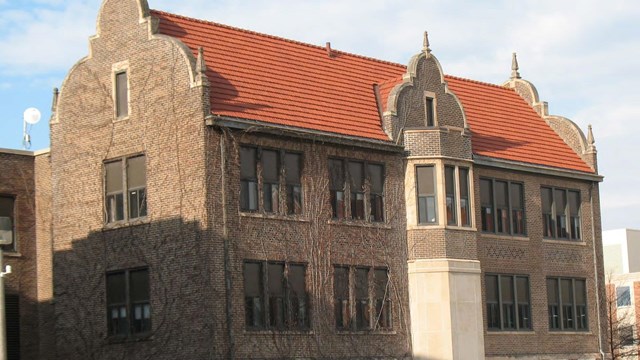
European settlers used clay tile for roofing
at least as early as the mid-17th century. In
some cities, such as New York and Boston, clay
tiles were popularly used as a precaution against
fire. The Spanish influence in the use of clay
tiles is found in the southern, southwestern and
western states. In the mid-19th century, tile
roofs were often replaced by sheet-metal, which
is lighter and easier to maintain.
Evidence of the use of slate for roofing dates
from the mid-17th century. Slate has remained
popular for its durability, fireproof qualities,
and its decorative applications. The use of metals
for roofing and roof features dates from the 18th
century, and includes the use of sheet metal,
corrugated metal, galvanized metal, tin-plate,
copper, lead and zinc.
New roofing materials developed in the early
20th century include built-up roll roofing, and
concrete, asbestos, and asphalt shingles.
|