Explore HFC
- Home
- About Us
- Media Products
- Programs & Services
- Contractor Information
- Maps of National Parks
- Historic Photos Collection
HFC Site Tools
- Contact Us
- 304-535-5050
- Directions
NPS Graphic Identity
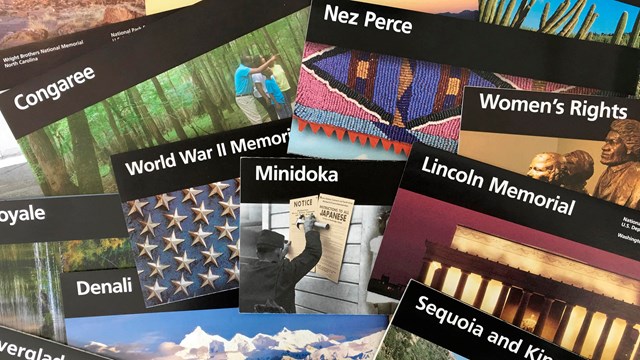
The NPS Graphic Identity Program develops graphic standards that guide the design of a broad range of communication media within NPS. This website provides tools and guidelines to help all of us achieve a more consistent approach to the design of our visual communications.
For more information, or any questions you may have, feel free to Contact Us
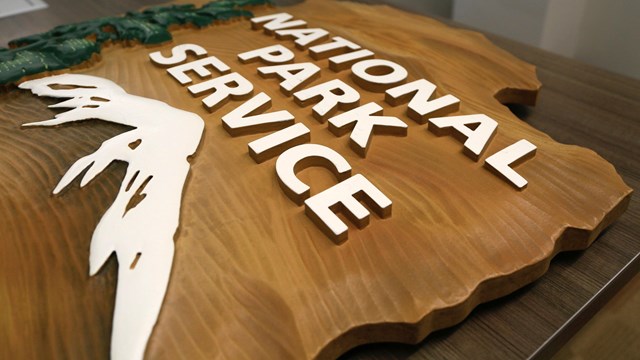
Arrowhead Artwork
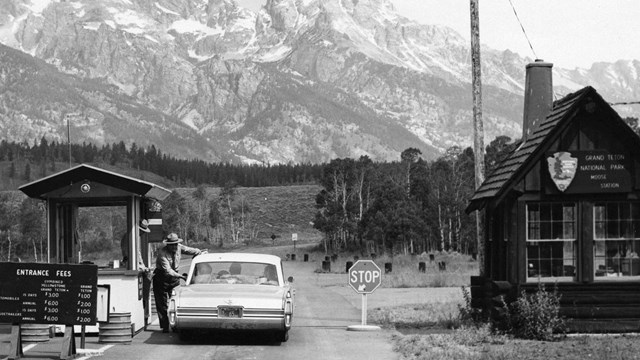
The most notable example of NPS graphic design is its arrowhead logo. Along with the ranger uniform, the arrowhead is the principal means by which the NPS is identified by the public.
Business Cards
NPS employees are permitted to acquire business cards with appropriated funds by either purchasing them from the Seattle Lighthouse for the Blind, or by printing them in-house using a Government-owned computer, software program, and color printer.
NPS Typefaces
Typography is an important component of the new NPS graphic identity standards. The standards specify two typefaces: NPS Rawlinson (designed specifically for National Park Service use), and Adobe Frutiger.
Templates
There many different templates, in a variety of file formats, available on this website, including ones for booklets, brochures, newsletters, office form, rack cards, reports, site bulletins, and more.
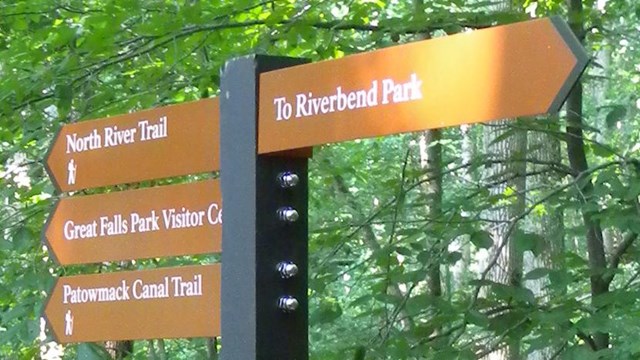
Sign Standards
The National Park Service UniGuide Sign Standards include over 600 pages of specifications that specify the design and fabrication of a wide range of sign types. Continue to the sign standards site for more information.
Guidelines & Help
We've spent a considerable amount of time producing and assembling the information and materials on this Website, and to make it as easy to use as possible.
The graphic identity of an organization is expressed by a combination of visual elements used in carefully prescribed ways. These typically include a logo (a distinctive emblem) along with specific typefaces and a set of preferred colors. Each of these elements is carefully chosen to express the organization's unique character. For many older organizations these visual elements often derive from historic influences. The graphic identity of the National Park Service, for example, has emerged from rich histories in at least three areas of design: attire, architecture, and graphics. Learn more about the History of NPS Visual Identity