"Too much excess leads to
diffusion of interest. You have seen nothing because you have seen
everything."
—Freeman Tilden |
|
Using a Design System
Over the years the National Park Service has had to change how
it presents information as the subject matter being interpreted
has become more complex and readers have become more visually sophisticated
and aware. They are less patient with massive quantities of text
used to communicate information and concepts. A good design system
allows creative problem solving and good communication. The way
a message is presented determines whether the reader’s attention
is captured or not. The site bulletin system has a good track record
of meeting the needs of our visitors. See "NPS Design Ethic"
(Information
Design, p. 15).
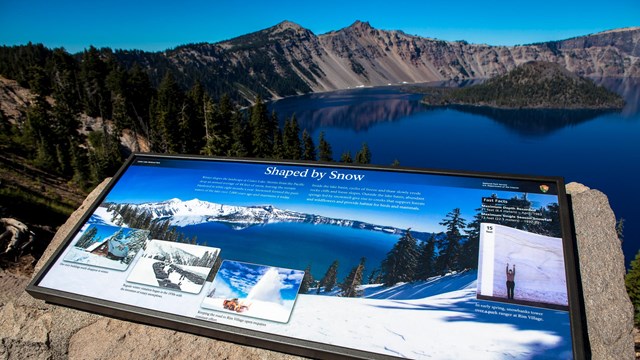
Good design creates order out of chaos and leads the reader through
the page. There is a greater emphasis now on the integration of
visual material with text, and on the informational quality of the
photos or art. Publications can suffer from visual overload in their
quest to be all things to all people. Generally speaking the simpler
the solution, the better. When done well, a publication will "excavate
invisible truths" that will enrich, enlighten, and educate.
The beauty of a design system is that it not only serves as a tool
for the designer but can quickly educate the audience, once they
become accustomed to the style, providing them with a reassuring
sense of familiarity and ease in finding information. One of the
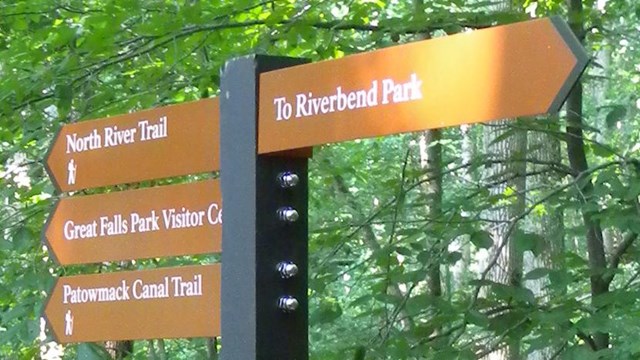
most noticeable examples is the interstate highway sign system,
where similarly sized signs, with similar style and size type, in
the same color combinations, appear on highways across the country.
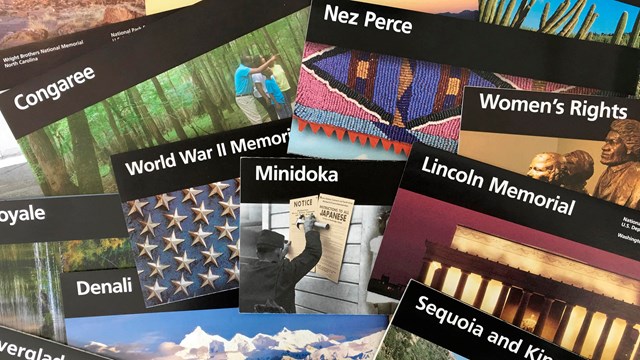
The site bulletin design system offers two criteria by which to
evaluate our publications: consistency and appropriateness. Consistency
means that publications should speak the same graphic language and
present a strong visual identity. Like the NPS uniform, the publications
stand out in a crowd, speak with authority, and add up to a whole
entity, rather than remaining as separate, isolated units. Consistency
within a design system avoids arbitrary changes, allowing the truly
important visual clues to stand out in clear relief. Appropriateness
refers to making each publication right for its particular message.
The concept of the system, and its strength, is to make the visual
elements reflect the content and to organize the text to be accessible
and understandable. On a practical level, it establishes order out
of chaos and gets a project done without endless hours of work and
debate. While maintaining a park service identity you can also preserve
an individuality and exuberance that is entirely your park’s
own.
|
|
TABLE OF CONTENTS:
Publications »
PARK-PRODUCED PUBLICATIONS:
1 Introduction »
2 Using a Design System
3 Getting Started »
4 Design »
5 The Grid »
6 Typography »
7 Choosing & Using Illustrations »
8 Maps »
9 Production »
10 Printing »
11 Care & Upkeep »
12 Using the Templates »
13 Bibliography »
PDF DOCUMENTS:
Information
Design, Tools & Techniques for Park-Produced Publications »
Help With PDF »
|