National Park Service LogoU.S. Department of the InteriorNational Park ServiceNational Park Service
National Park Service:  U.S. Department of the InteriorNational Park Service Arrowhead
Haleakala National Park A nene pair peers out from their grassy hideaway.
view map
text size: largest larger normal
printer friendly
Haleakala National Park
History & Culture
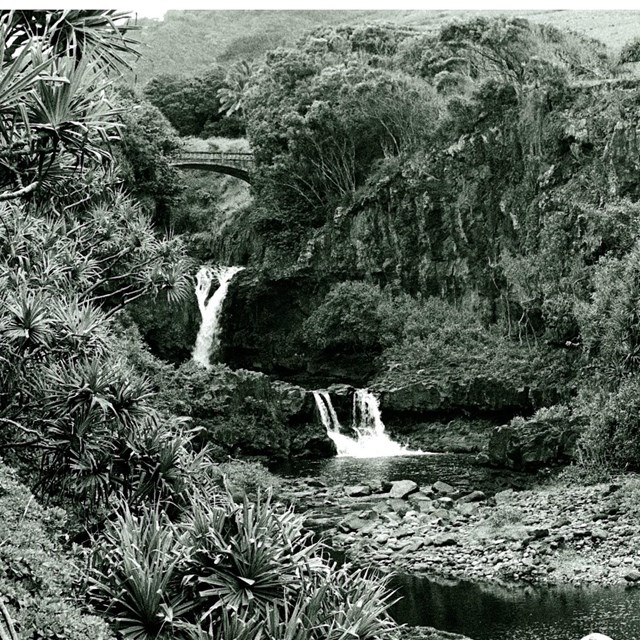
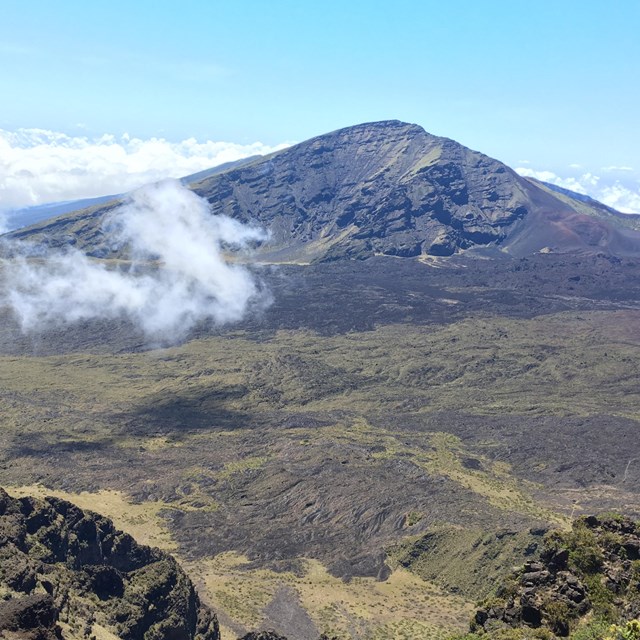
ko'olau gap
NPS Photo
Ko`olau Gap


Hanau ka po

Hanau Kumulipo i ka po, he kane

Hanau Po'ele i ka po, he wahine…

O kane ia Wai'ololi, o ka wahine ia Wai'olola

Hanau ka Manauea noho i kai

Kia'i ia e ke Kalo-manauea noho i uka…

O kalina a ka wai i ho'oulu ai

O ka huli ho'okawowo honua

O paia ['a] i ke auau ka manawa

O he'e au loloa ka po

O piha, o pihapiha…


"The night gave birth

Born was Kumulipo in the night, a male

Born was Po'ele in the night, a female…

Man for the narrow stream, woman for the broad stream

Born was the Manauea moss living in the sea

Guarded by the Manauea taro plant living on land…

Water that causes the withered vine to flourish

Causes the plant top to develop freely

Multiplying in the passing time

The long night slips along

Fruitful, very fruitful…"


-From the Kumulipo, the Hawaiian Creation Chant, translation by Martha Beckwith, 1951

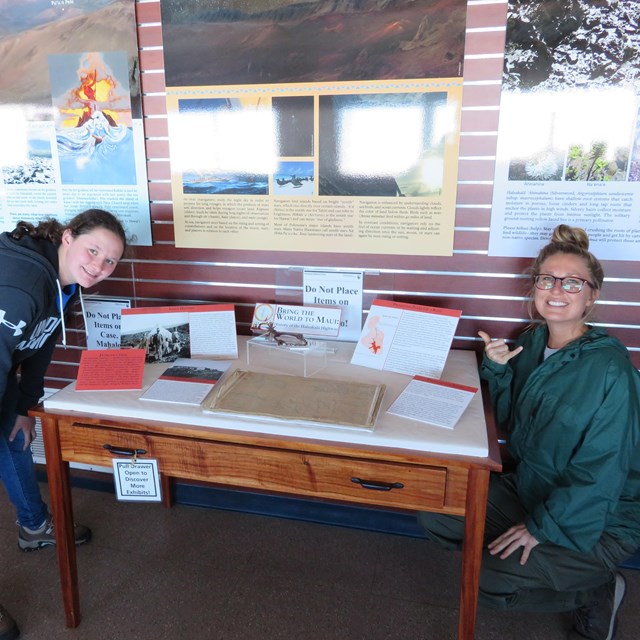
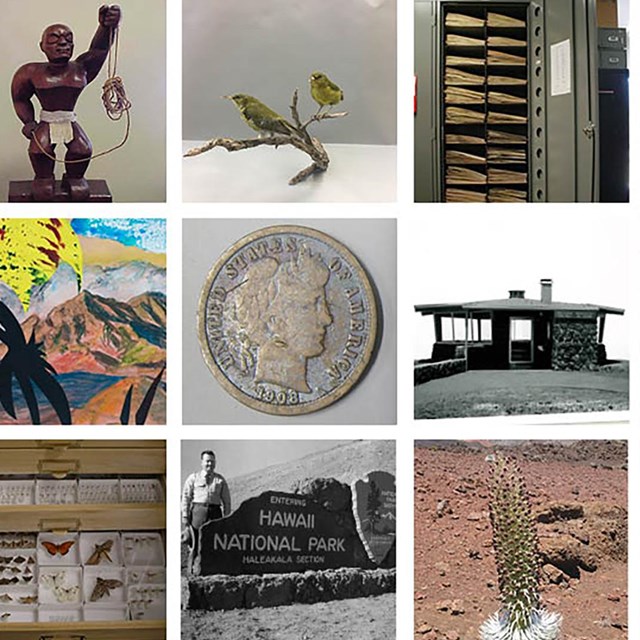
Of the cultural resources we have inherited from the past, it is the knowledge, traditions, songs and stories shared by people of today that give life to the Haleakalā landscape. Native Hawaiians have lived on and malama (cared for) the land for over 1000 years. Important cultural places and sites are found within the Summit and Kīpahulu areas of Haleakalā National Park and are spoken of in numerous Hawaiian mele (songs/ chants) and legends.

For more information about the unique cultural resources of Haleakalā National Park please select from the menu at the top of the page. 

You are exiting the National Park Service website

Thank you for visiting our site.

You will now be redirected to:

We hope your visit was informative and enjoyable.

Did You Know?

Did You Know?
You might find squid beaks at 10,023 feet (3055 m) above sea level. Haleakala National Park is home to the `Ua`u - the Hawaiian Dark-Rumped Petrel - sea birds that eat squid and regurgitate the indigestible beak ouside their burrows in the summit area.

Last Updated: October 27, 2011 at 16:39 MST