



|
For over 10,000 years, the Guadalupes Mountains have witnessed a constant stream of human history, including bloody conflicts between Mescalero Apaches and Buffalo Soldiers, the passing of the Butterfield Overland Mail, the coming of ranchers and settlers, and finally, the making of a national park. Today, the history is preserved at the Frijole and Williams Ranches, and at the ruins of the Pinery Station. Protecting Cultural ResourcesIt is always exciting to discover evidence left behind by earlier inhabitants, but in order to preserve our history, and continue to interpret the cultures that came before us, it is imperative that all cultural and historic artifacts and evidence remain undisturbed. Please help us preserve these items. It is illegal to collect them. 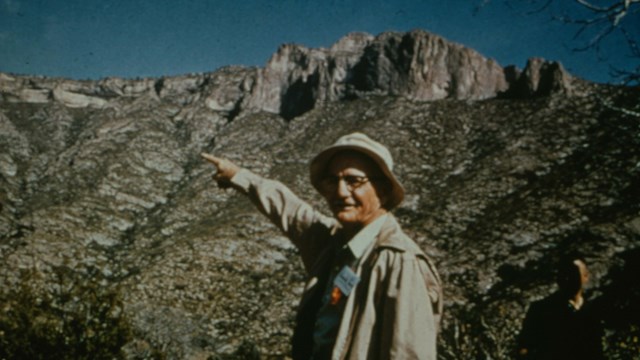
People
Learn more about the people whose stories shaped the Guadalupe Mountains. 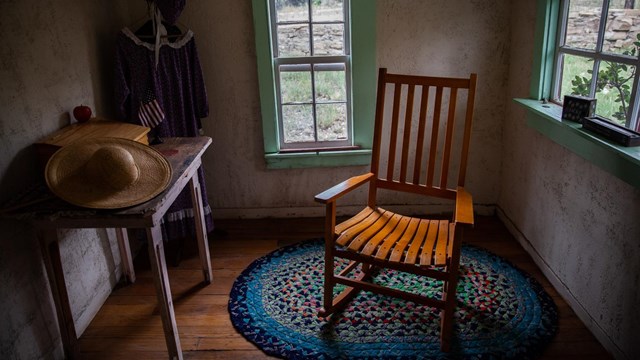
Places
Learn more about the historic places preserved within Guadalupe Mountains National Park. 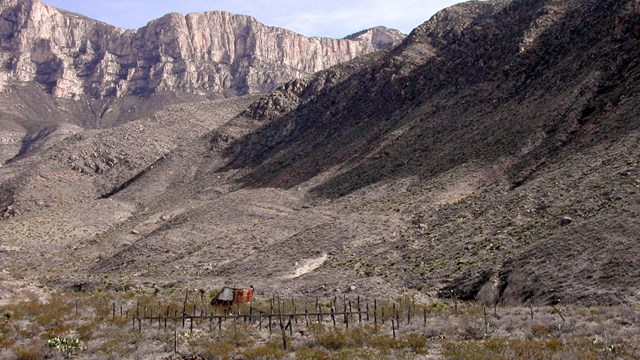
Stories
Discover the unique human stories that the Guadalupe Mountains can tell. 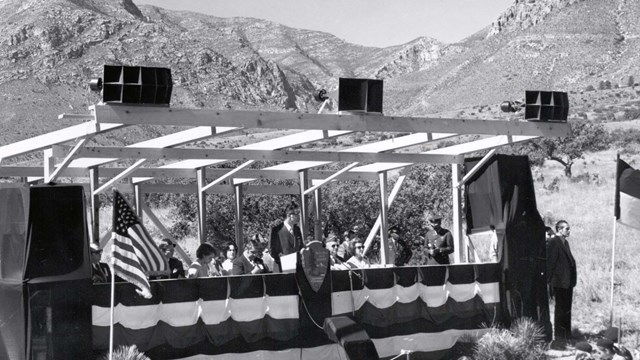
Fifty Years As A Park
In the fall of 2022, Guadalupe Mountains will mark the fiftieth anniversary of the park's establishment in 1972. |
 |
|
Last updated: September 15, 2021