National Park Service LogoU.S. Department of the InteriorNational Park ServiceNational Park Service
National Park Service:  U.S. Department of the InteriorNational Park Service Arrowhead
Gulf Islands National Seashore Four dogs including a basset hound are on their leashes.
view map
text size: largest larger normal
printer friendly
Gulf Islands National Seashore
People
 

Gulf Islands is a park steeped in a long history of settlement, conflict, and abandonment. When Europeans first visited the northern Gulf of Mexico in the early 1500s, they found Native American settlements that were populous and thriving.  

Along the Gulf of Mexico, discovery by Europeans was followed by a long struggle for the region's control. Spain, in 1559, established a settlement in Florida on Pensacola Bay, but the place was abandoned soon afterward. Spaniards revived the settlement in 1698, surrendered it to the French in 1719, regained it by treaty in 1722, ceded it to the English in 1763, and repossessed it by force in 1781! 

Gulf Islands National Seashore contains one of the most complete collections of publicly accessible structures relating to the evolution of seacoast defense in the United States. It represents a continuum of development from Spanish exploration and colonization through World War II.

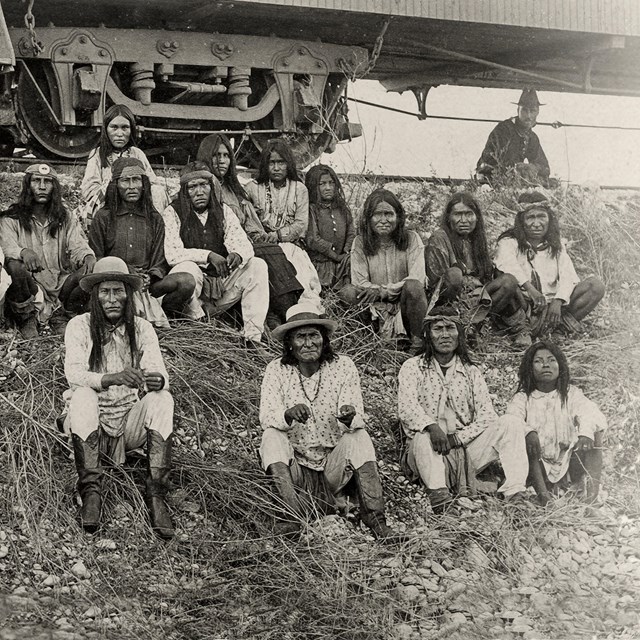
The Apache 

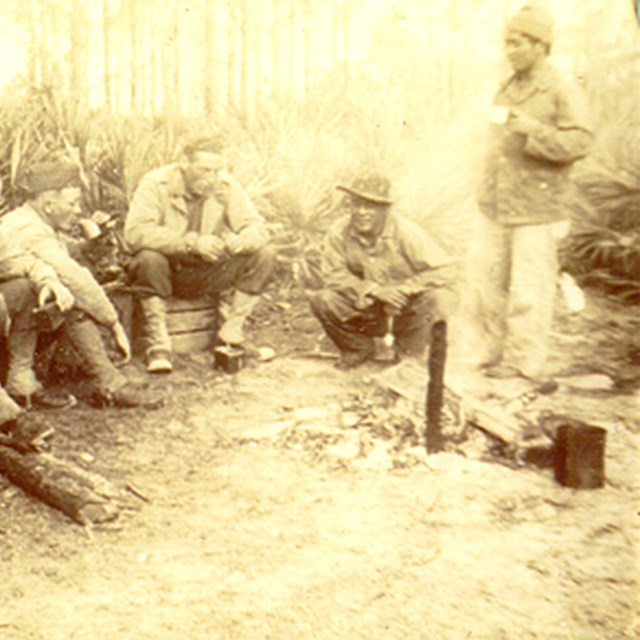
The Apaches at Fort Pickens

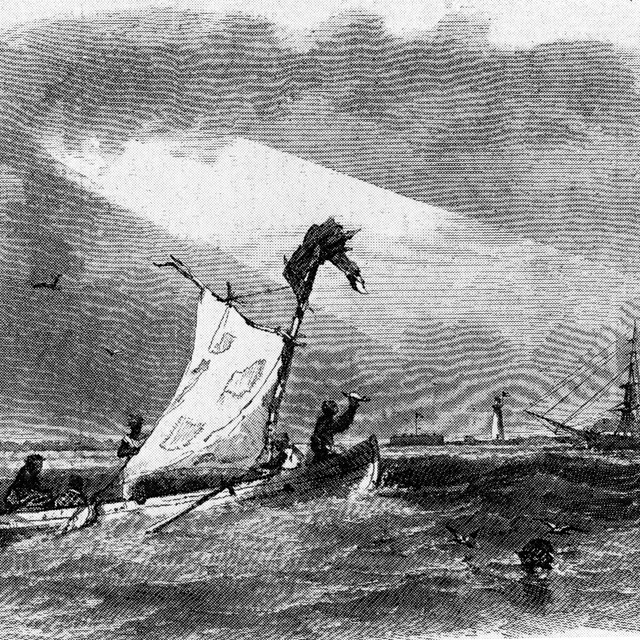
 Ship Island People

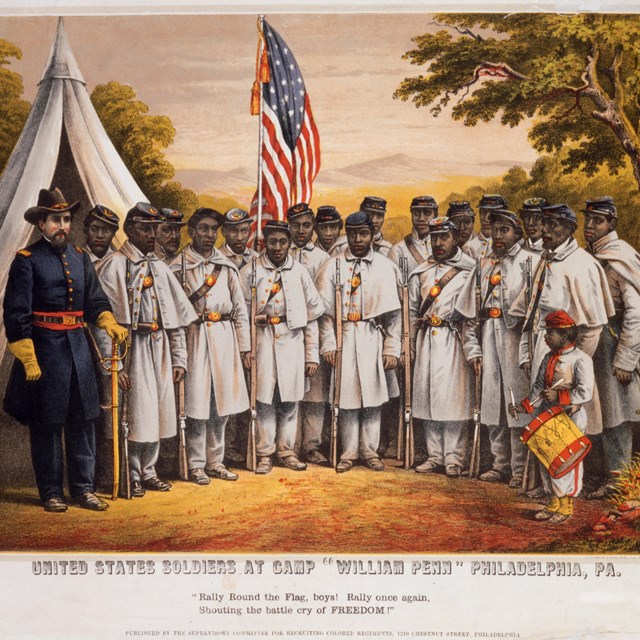
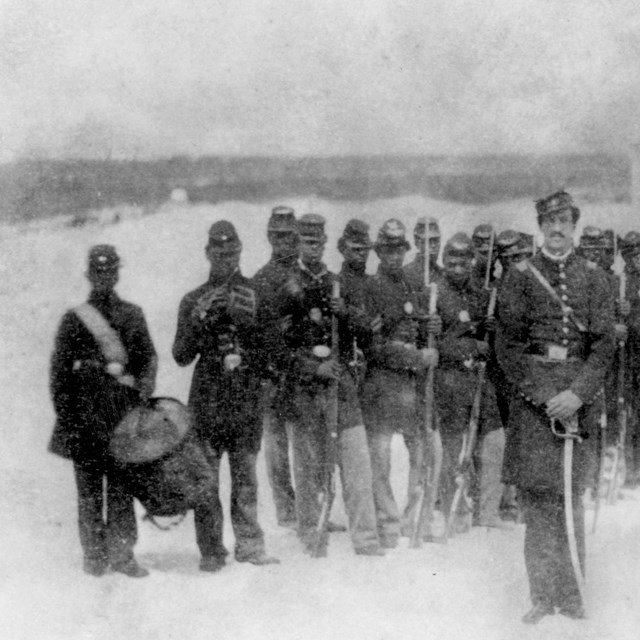
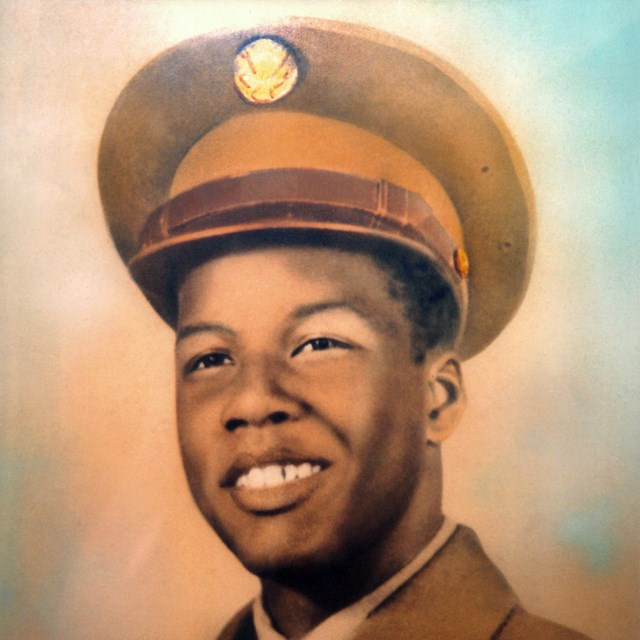
Historic Figures   African-Americans

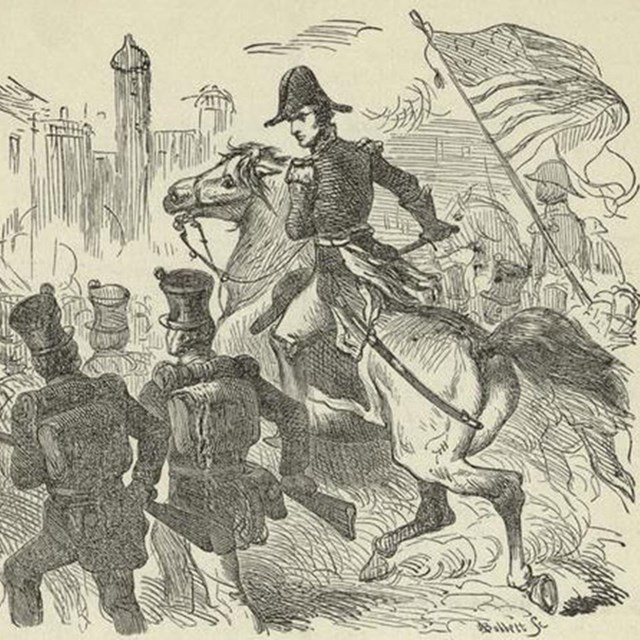
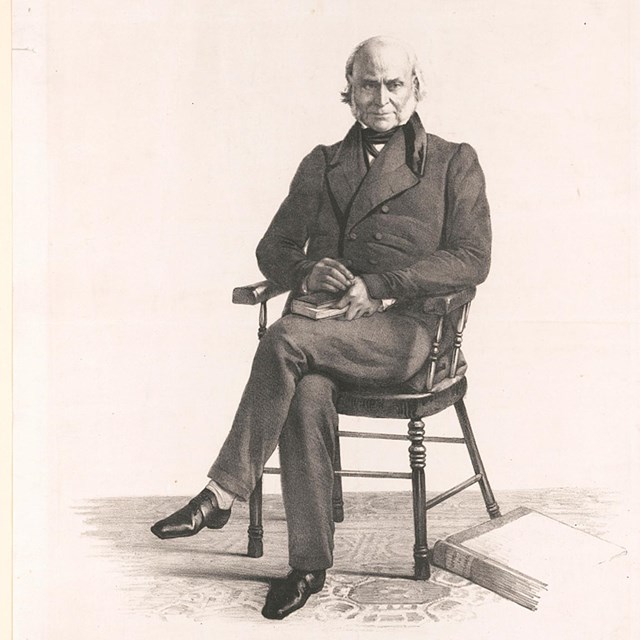
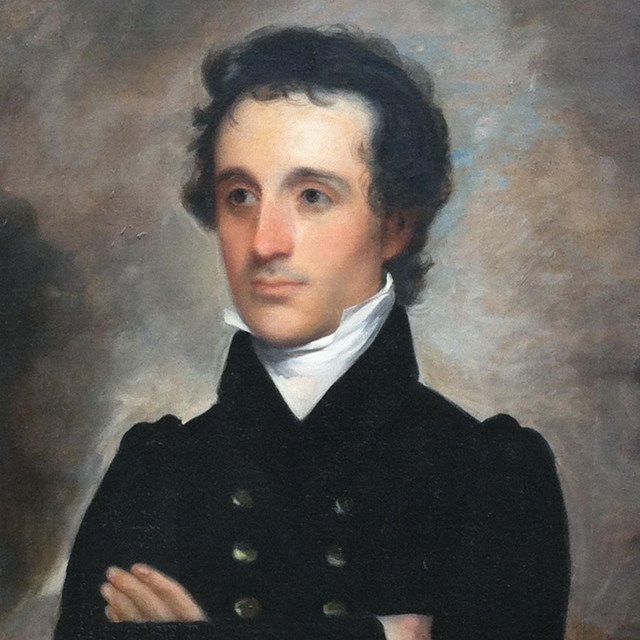
President John Quincy Adams


You are exiting the National Park Service website

Thank you for visiting our site.

You will now be redirected to:

We hope your visit was informative and enjoyable.

Geronimo

Did You Know?
In the 1880s, Geronimo and other members of the Chiricahua-Apache tribe were prisoners at Fort Pickens located at Gulf Islands National Seashore.

Last Updated: October 14, 2010 at 10:09 MST