
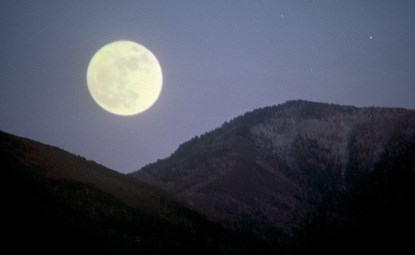
Many national park units contain large sections of natural areas, where dark night skies and natural sounds are appreciated by park visitors and are important ecological components of the park. Dark night skies are diminishing resources in many park units because of human activities that introduce artificial light. Natural soundscapes - that is, the natural sound of wildlands – are degraded by sounds caused by humans or human technology. Increasing population density and consequent increases in traffic, development, overflights, and other activities are causing direct and indirect effects on night skies and natural soundscapes, even within remote settings like Great Smoky Mountains National Park. Monitoring night skies and natural soundscapes in the national park will provide further insight into changes that affect the ecological integrity and resource values of protected areas. Baseline and Long-term Monitoring Management Implications Over time, monitoring data will provide park managers with the information they need to work with park staff, neighboring communities, and regional leaders to address light and noise pollution-issues. |
Last updated: March 8, 2017