




NPS photo As human have traveled around the earth, they have purposefully and accidentally brought plants and animals with them and introduced them to new continents. Natural barriers to the movement of plants and animals include large bodies of water, large deserts, and mountain ranges. World wide, introduced species are directly behind habitat destruction in causing species extinction around the globe. A healthy ecosystem requires a balance of plants, insects, herbivores, and carnivores which have evolved together in a system. Local habitats are the "ecological houses" of the world, and the loss of local plants and animals are a serious threat to global biodiversity. The San Francisco Bay Area is considered one of the top 25 biodiversity hotspots on the planet. Invasive species and their removal are an economic burden to land managers around the world, but here at Golden Gate they are also threatening native biological richness that rivals that of the Equatorial rainforests! Through educating themselves about invasive species, park visitors can truly learn to celebrate local nature.
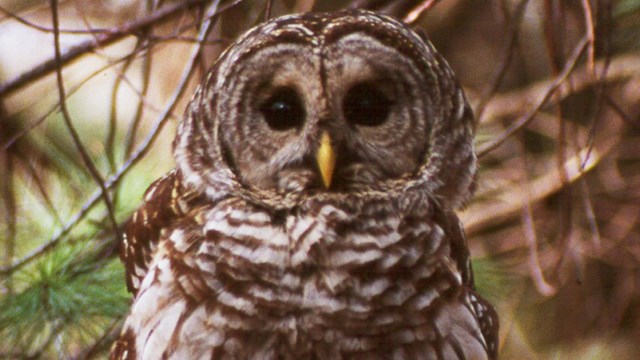
Non-native Animals
Nonnative animals compete with native species for resources and habitat. 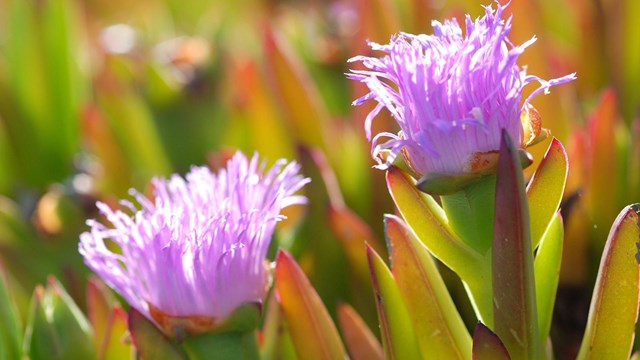
Non-native Plants
The spread of non-native plants represents the most significant threat to the biodiversity of the park. 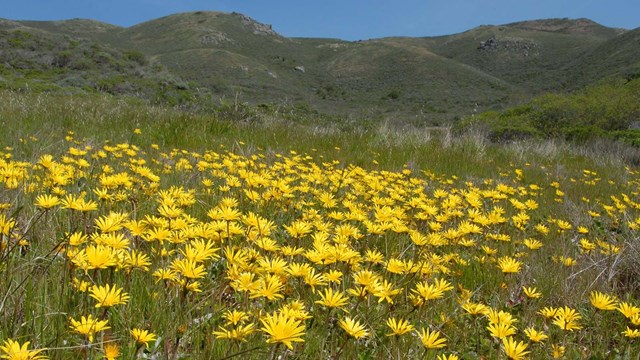
Quick Reads
Browse articles and information summaries about nonnative species at Golden Gate. 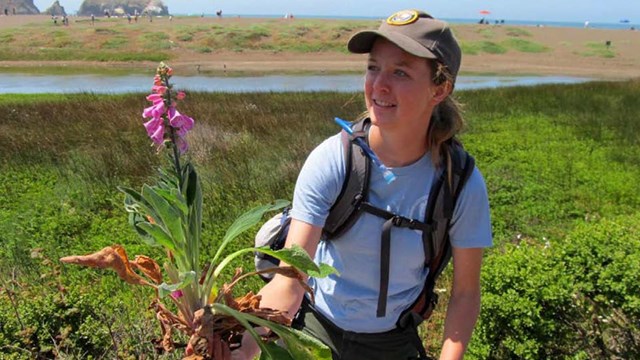
Blog
Get the latest on nonnative species from the Bay Area Nature & Science Blog. |
 |
|
Last updated: September 26, 2018