

NPS photo Halfway between the land and the sea, on flatter rocky shelves where waves break, is the intertidal zone. Intertidal zones of the California coast mainly encompass patchy tidepools. But in an urban park such as ours, life can also be found on the edges of rocky coves or rubble piled along piers. Although not well explored, there are also over 100 sea caves located in the park! Rocky intertidal areas are primarily inhabited by marine algae and invertebrates (animals without backbones such as crustaceans, worms, mollusks, and sponges). The inhabitants of the intertidal zone are exposed to crashing waves and predation by ocean creatures during low tide. They filter feed for organic particles in the water, graze on algae, or prey on each other. Most of them have hard exoskeletons or shells to withstand the pounding surf, and are able to cement themsleves to the rocks. During high tide they are left exposed to the air and land predators. They must tough out this dry period, hiding under rocks and in small pools of water, closing their shells with small amounts of water inside, and waiting until the next tide begins to start the whole process over again. Rocky intertidal areas, just like salt marshes, have distinct zonation. In the high splash zone which is only covered by very high tides look for limpets, barnacles, snails, shore crabs, and rock weed. In the middle zone which experiences two high and low tides daily look for mussels, anemones, ocher stars, and sea lettuce. In the lowest zones that are exposed only during a very low tide, look for sea urchins, bat stars, and even octopus! 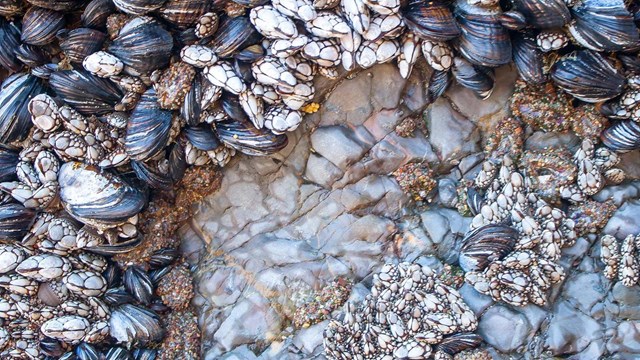
Quick Reads
Browse articles and information summaries about marine invertebrates and intertidal ecosystems at Golden Gate. 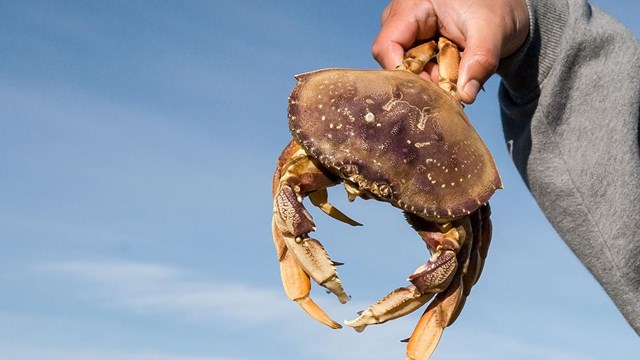
Blog
Get the latest on marine invertebrates and intertidal ecosystems from the Bay Area Nature & Science Blog. 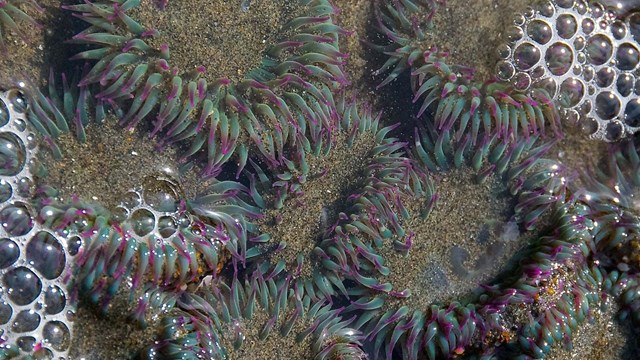
Marine Invertebrates
The ocean and bay bordering Golden Gate house a rich diversity of sponges, bryozoans, tunicates, limpets, mussels, anemones, and sea stars. 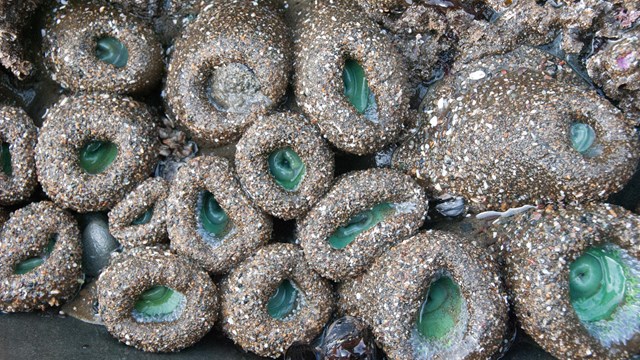
Pacific Coast Science & Learning Center
Browse more resources on marine invertebrates and intertidal ecosystems in San Francisco Bay Area parks. 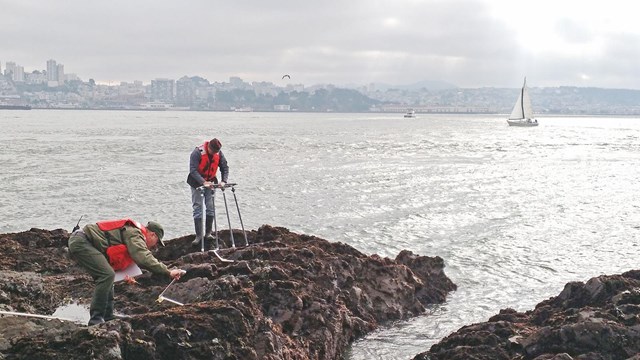
Rocky Intertidal Monitoring
Dig in to monitoring protocols, reports, and more on the San Francisco Bay Area Network's Rocky Intertidal Monitoring page. |
 |
|
Last updated: June 7, 2018