National Park Service LogoU.S. Department of the InteriorNational Park ServiceNational Park Service
National Park Service:  U.S. Department of the InteriorNational Park Service Arrowhead
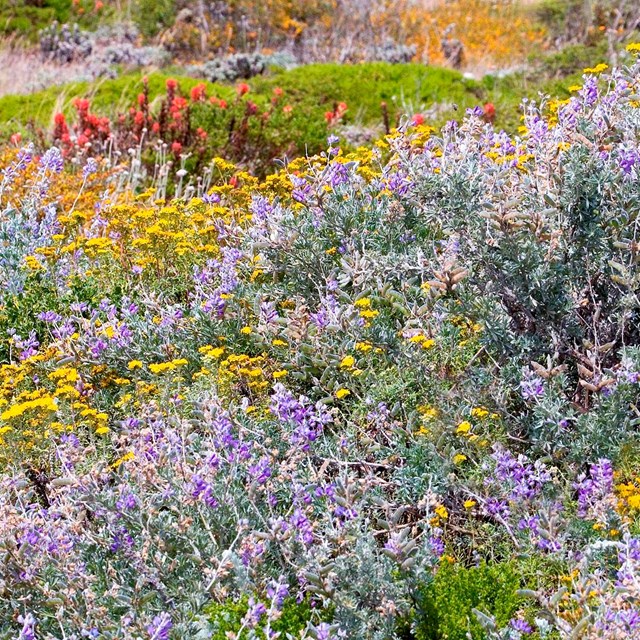
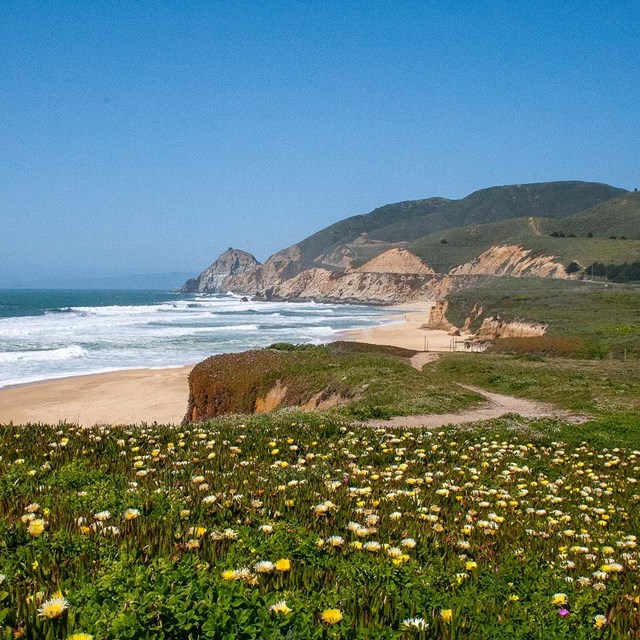
Golden Gate National Recreation Area View of the wildflowers in bloom on Milagra Ridge. (Photo courtesy: Charles Kennard)
view map
text size: largest larger normal
printer friendly
Golden Gate National Recreation Area
Nature & Science
Intern mapping invasives

NPS photo

Park intern mapping invasive species

As most of California and our nation become developed, urban national parks and their resource management issues become increasingly important. The San Francisco Bay region has notably rich biological diversity due to the variety of habitat and unique geology.

Over half of North American avian species and nearly one third of California's plant species are found in the park. 25 federally threatened and endangered species exist within lands that the Park Service manages, and a total of 36 threatened and endangered species exist within Golden Gate's legislative boundaries.

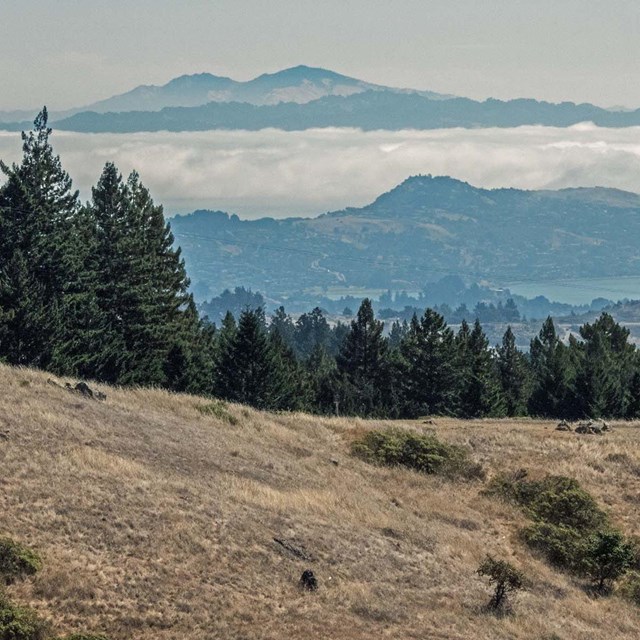
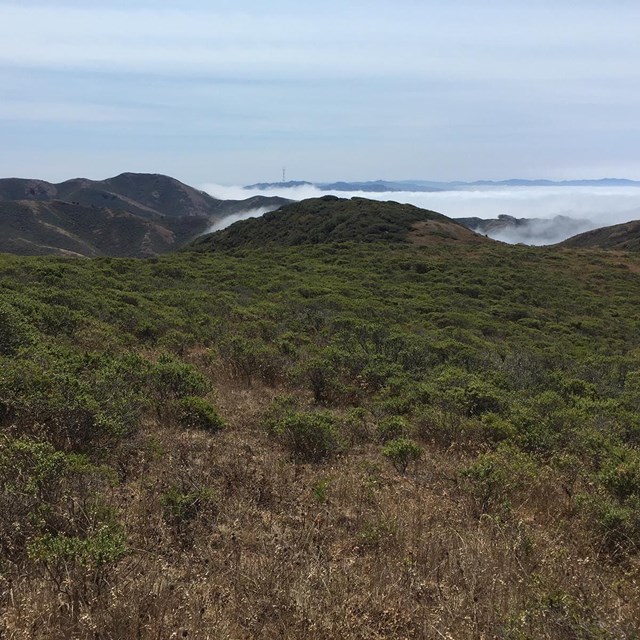
The Recreation Area is spread through a 60 mile swath of coastal lands, with inholdings by other agencies and private owners incorporated into the park’s legislative boundaries. Because of the multiple landowners, many Bay Area residents and park visitors think of our park in terms of isolated sites such as Muir Woods, Stinson Beach, the Marin Headlands, and the Presidio. The bigger picture is one of wildlife corridors, secret nature spots, and refuges for rarities. Traveling through the park connects you with windswept beaches, dramatic cliffs, coastal chaparral, low mountains, swaths of prairie, live oak woodlands, salt marshes, freshwater wetlands and creeks, and redwood forests. All you have to do is get out and explore!

 
Staff monitoring vegetation at Crissy Field.

Restoration & Management
Managers are working to stop habitat loss and preserve local biological diversity. Learn more about park restoration and monitoring projects at locations such as Crissy Field, Fort Baker, The Presidio, Mori Point, and Muir Beach!

 
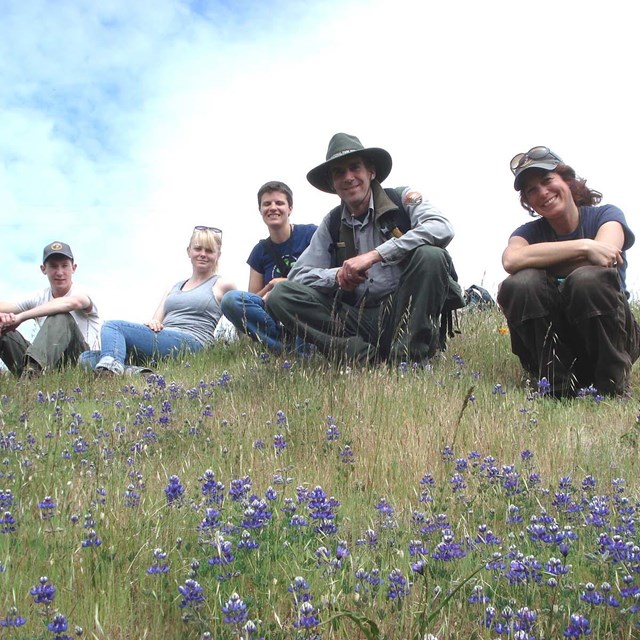
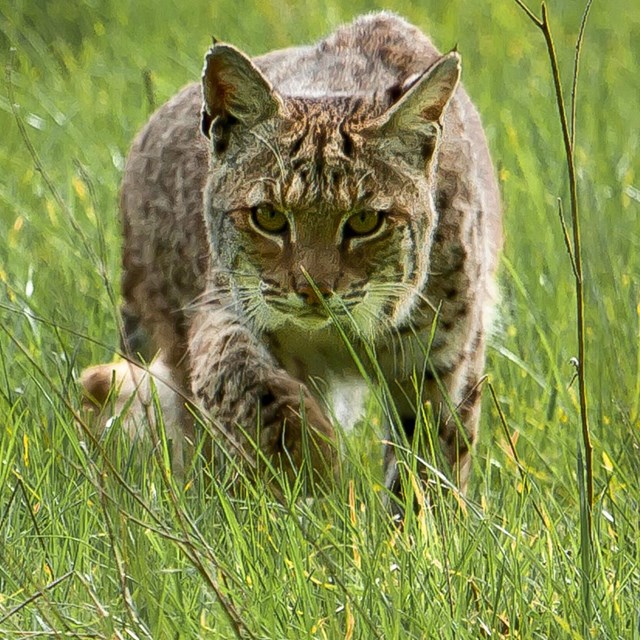
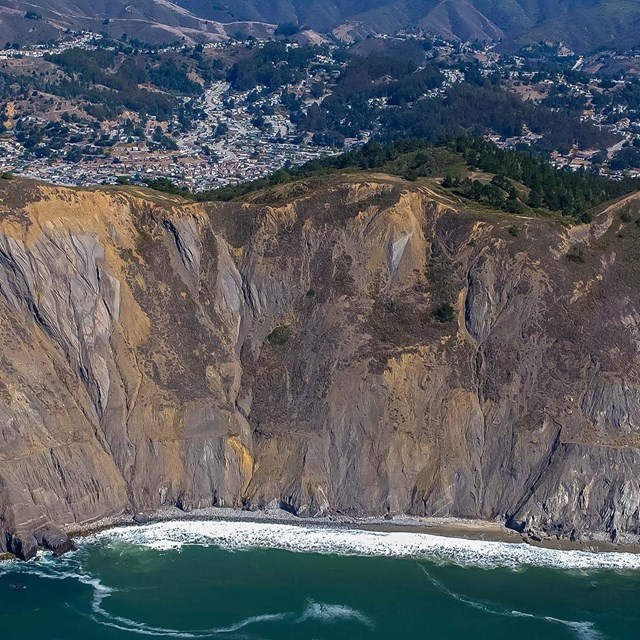
Homepage%20Collage_web cutout

San Francisco Bay Area National Parks Nature & Science
The many National Park Service programs and partners in the Bay Area are dedicated to understanding and preserving the region's unique resources through science and education. Find information about these resources and about scientific activities and research underway. And check out the Species of the Year for 2012!

 
Natural Resource Inventories and Long Term Monitoring

Natural Resource Inventories and Long-Term Monitoring
Managers are working with the Inventory & Monitoring Program to track long term trends in the park's natural resources. Scientists are monitoring a suite of ecological indicators which will tell them about ecosystem health and changes.

 
Climate Change

Climate Change
"Earth's climate is changing, with global temperature now rising at a rate unprecedented in the experience of modern human society."
-Arctic Climate Impact Assessment, 2004

 
Coyote

Keep Wildlife Wild
As more people visit the park, there is greater potential for negative interactions with wildlife such as coyotes and raccoons. When you visit the park, you are visiting their home. Find out about simple rules to protect park wildlife.

You are exiting the National Park Service website

Thank you for visiting our site.

You will now be redirected to:

We hope your visit was informative and enjoyable.

Last Updated: December 23, 2011 at 16:21 MST