

NPS Photo Located entirely above the Arctic Circle, Gates of the Arctic National Park and Preserve protects 13,000 square miles of arctic ecosystem. Established in part to preserve its natural features, wildlife, and scenic beauty, the park provides habitat for nearly 900 different species of plants and animals that thrive in the oftentimes harsh climate. Located at the northern end of the Continental Divide, the park was formed by land-building forces that created the Brooks Range and carved peaks and valleys from ice and wind. Today, this intact and undeveloped landscape provides scientists with evidence of the past, present, and clues to an ever-changing future, as a warming climate continues to impact today's arctic. 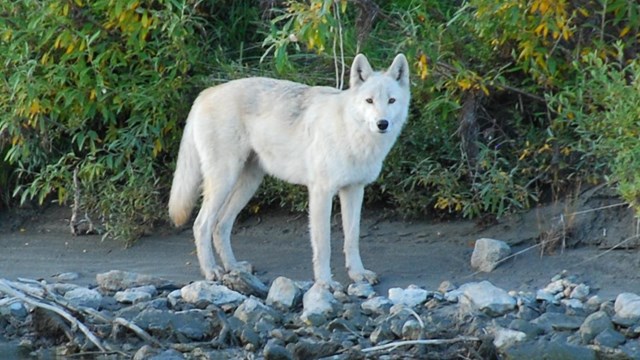
Wildlife
Learn about the surprising variety of animals that inhabit the park 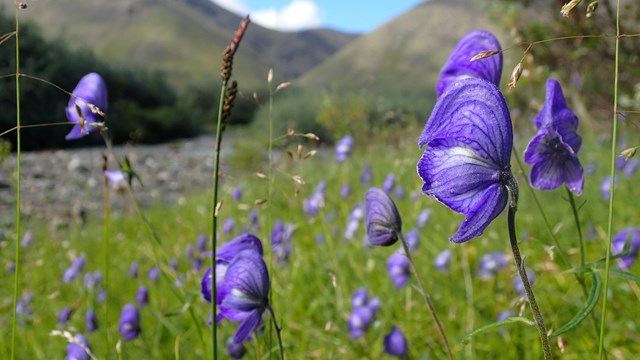
Plants
Discover the stunning amount of arctic plants that thrive in this harsh environment 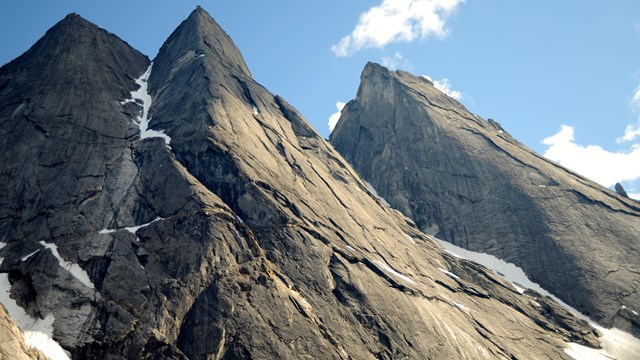
Geology
Explore the geologic forces that created and shaped the park from rock and ice 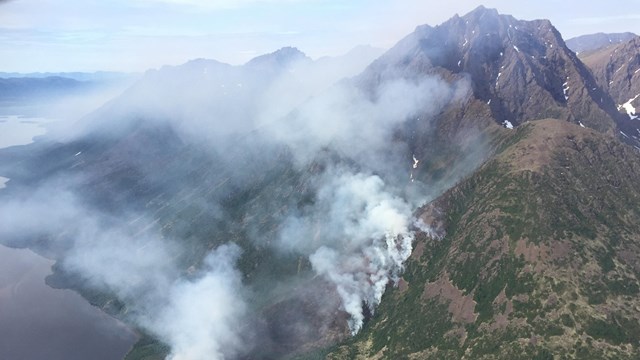
Wildland Fire
The impact of wildfire on the park 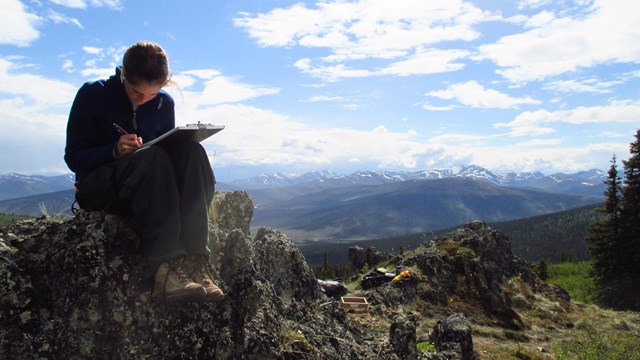
Research
Find out what work scientists are doing in the park Park Species ListsThe following species lists were assembled and comprehensively reviewed by our park biologists to be as accurate as possible, as of 2015. The absence of a species from the list does not necessarily indicate its absence from the park, since it is possible that formal census techniques targeting rare, unique, cryptic, or seasonally present species were not used in all cases. Some lists are complete, while others may always be in development, due to the remote, wild, unexplored or surveyed, and changing nature of the land. Select a Species Category (optional):
Search results will be displayed here.
|
 |
|
Last updated: February 12, 2021