



|
The Hudson’s Bay Company’s (HBC) Fort Vancouver had a unique relationship with the Hawaiian Kingdom or “Sandwich Islands,” the nineteenth century trade hub of the Pacific. Sailing vessels worldwide stopped regularly at “Owyhee” for recreation, supplies and ship repair, simultaneously developing a “lively exchange of commodities” between nations. The HBC exchange might include trading furs for American knives and copper pans, swapped for Hawaiian sandalwood or whale oil, bartered for Cantonese silk and tea. Hawaiian imports to the Northwest included items such as hogs, sugar cane, salt, molasses, coffee, wicker baskets, and sweet potatoes. By the 1830s, Fort Vancouver exported produce, wheat, flour, lumber, and salmon to the islands. Northwest timber built Hawaii’s European style homes, while Hawaiian coral supplied lime for fertilizer and whitewash, and mortar for the Fort’s chimneys. Meanwhile, the now traditional lomi lomi salmon served at present-day luaus remains a forgotten legacy of the fur trade era. Learn more about Hawaiians at Fort Vancouver here. 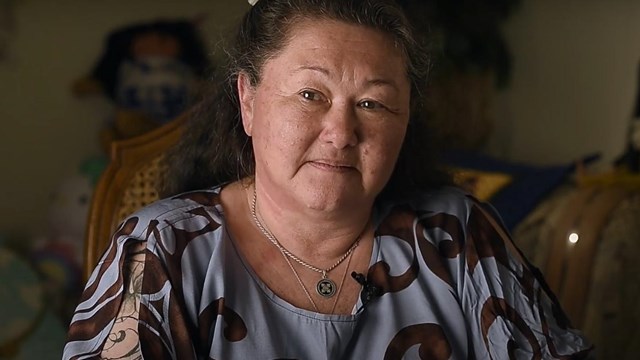
Joy Pōmaikaʽi Hauʽoli OʽHearn
In this video, artist Joy Pōmaikaʽi Hauʽoli OʽHearn discusses her Hawaiian artwork. 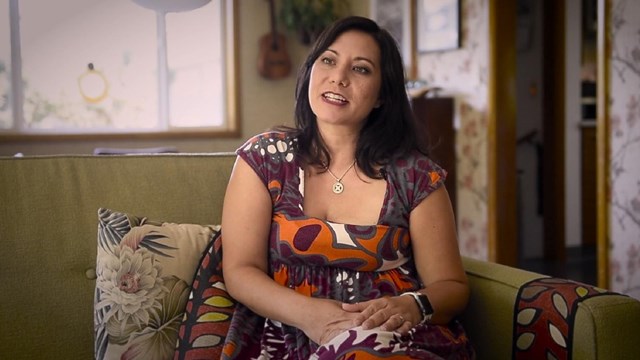
Amy Kapuanani Antonio-Claussen
In this video, Hawaiian artist Amy Kapuanani Antonio-Claussen discusses her how her work illuminates the Hawaiian experience at the fort. |
Last updated: January 29, 2024