NPS Fire Management Program
Fire Program Education Public and Media Career Development Employment
Public and Media, Understanding Fire Understanding Fire Public and Media
Home
About the Fire & Aviation Program
Contact Us
Search NPS Fire

back to list

RESEARCHING THE EFFECTS OF FIRE

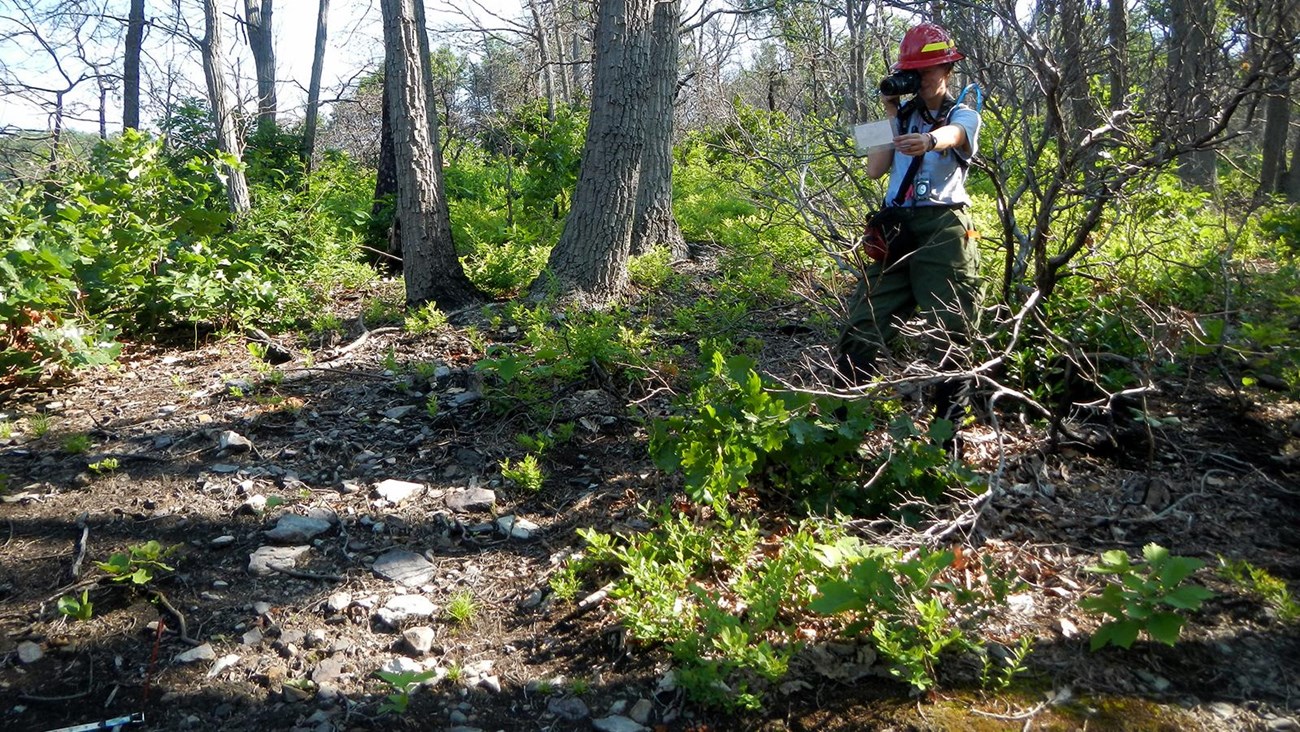
Scientists have studied the effects of fire in national parks since the early 1950s. Research continues in several parks, including Everglades National Park in Florida, Dinosaur National Monument in Colorado, and Yosemite National Park in California. Valuable lessons have been learned. Scientists found that 33 native plant species in the Everglades depend on fire for long-term survival. Restoration research at Dinosaur National Monument increased native grasslands with the prescribed burning of unnatural concentrations of sagebrush at critical growth stages.

Research in Yosemite National Park showed that white fir trees act as ladders that fire can climb to the crowns of giant sequoia trees. Naturally occurring ground fires formerly killed many white fir trees. This natural process is now replicated by prescribed fires that protect the giant sequoia groves.

By burning intensely in some areas and cooler in others, fire can create a puzzle-like mosaic of diverse habitats for plants and animals. Hawks and other birds of prey hunt along the edges of burned areas and find cover in unburned areas. Deer feed on nutritious, succulent new shoots of grasses and shrubs that appear after fire.

Some plants cannot reproduce without fire. Cones of jack and lodgepole pines in northern U.S. forests are sealed with pitch. Fire must melt the pitch to release the seeds. Fire breaks open the outside coating of mountain lilac seeds and stimulates germination in southern California chaparral. Without fire, seeds can lie dormant in the soil for decades. Aspen, birch, and willow sprout from their roots after a fire.

It is still important for you to be careful with fire in national parks and other natural areas. Fires caused by carelessness or arson can have tragic consequences for the public, firefighters, wildlife, forests, streams, and air quality. Please be careful with campfires, matches, cigarettes, and vehicle exhaust systems.

The National Park Service manages fire in national parks to protect human lives, personal property, and irreplaceable natural and cultural resources. Using fire management techniques described here, the National Park Service balances the preservation of America's natural and cultural heritage with concerns for public health and safety.

When you visit a national park, ask a ranger if you could do one or more of the following:

Attend a ranger-led fire ecology hike

Explore a self-guided fire ecology trail if one is available

Take a wildflower walk or view wildlife in a recently
burned area

See a prescribed fire in progress from a safe distance

Read other materials about local fire ecology

Prescribed fire.

National Fire Plan
See how the federal government and state partners are managing impacts of wildland fire to our nation's communities.

utility links
Home page. National Park Service Fire ResourcesInformation TechnologyNational Interagency Fire CenterPrivacy PolicyDisclaimer USA.govInsideNPS Fire