NPS Fire Management Program
Fire Program Education Public and Media Career Development Employment
Public and Media, Fire Stories Fire Stories Public and Media
Home
About the Fire & Aviation Program
Contact Us
Search NPS Fire
2009
2008
2007
2006
2005
2004
2003
2002

2009

Wrangell-St. Elias National Park and Preserve
Chakina Fire Provides Research Opportunity
 

What happens after fire activity winds down? In the case of the Chakina Fire, fire personnel will monitor the fire and continue to conduct structural assessments and fuel reduction for local residents. Active management of the fire seems to be over when most of the crews demobilize, however, the work doesn’t end when the last smoke finally goes out.

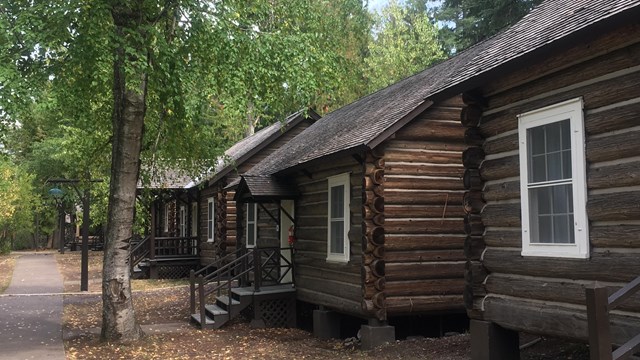
One of the benefits of the Chakina Fire was that it took place in a designated wilderness area. Very few firefighters were put on the ground to fight this fire, limiting the need for crews to rehabilitate the fireline by covering it up with brush and dirt. Firefighters primarily provided structure protection to historic cabins.

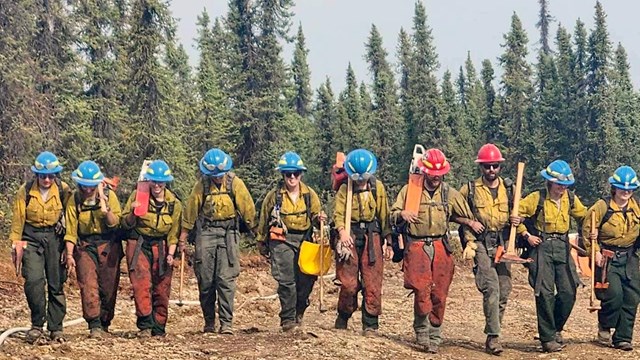
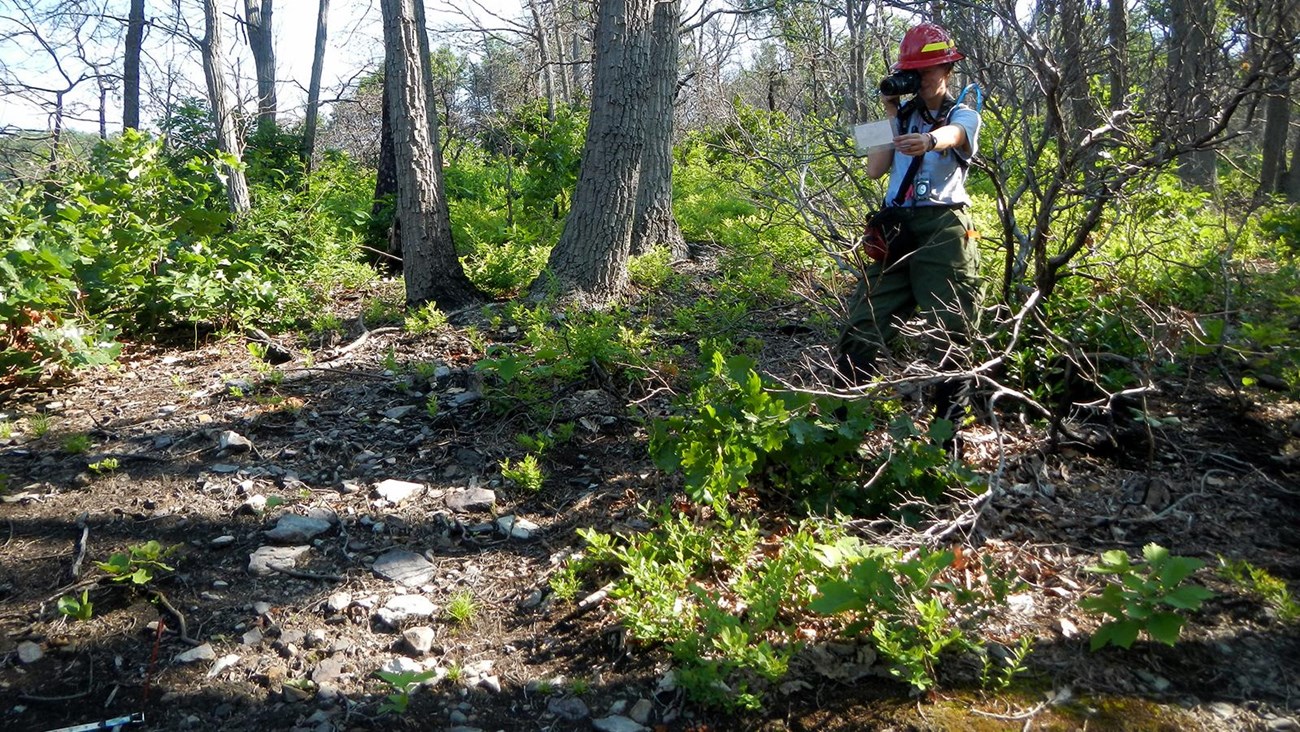
While the Chakina Fire was burning, fire personnel who study the effects of fire on the landscape, established fire plots in which ecologists monitor vegetation to determine the types of plant species and number of individual plants growing. The fire will likely burn some, but not all, of the plots, allowing fire effects monitors to compare burned and unburned plots.

Left: Fire monitors in forest. Right: Thick forest with person holding monitoring plot information sign.

A year after the fire and in future years, fire monitors will visit each of the plots to determine what types of plants have regenerated and compare those results with the plots that didn’t burn. In general within Wrangell-St. Elias National Park and Preserve, a spruce-dominated forest that is burned will be replaced with an aspen and willow forest. Young spruce will form an understory and eventually spruce will become the dominate species. In other interior boreal forests, paper birch is more common after a fire.

Fire ecologists will also map and measure burn severity using satellite imagery and field plots. These measurements reveal how intensely the fire burned. Some areas of the fire burn extremely hot and while other parts of the fire burn less intensely and do not consume all of the vegetation. Often, the fire will leave large stands of “green” or unburned vegetation within the burn perimeter. Burn severity strongly influences vegetation recovery and what species will return after the fire, creating a mosaic pattern and a mixed-age group of plants that creates a healthy ecosystem. The resulting changes in vegetation can influence wildlife distribution and forage availability. Moose often take advantage of newly sprouted willows and other deciduous trees. Snowshoe hares and yellow-cheeked voles flourish after a fire.

Scientists also research intensely burned areas that cause permafrost to melt, allowing different types of vegetation to re-sprout. These processes are part of the natural forest succession. While scientists are still learning how fire affects the natural cycle of the boreal forest, the Chakina Fire will provide further understanding of the role fire plays.

Contact: Mark Keogh, Public Information Officer
Phone: (907) 822-7223

Moose drinking from river with boat nearby.

Wrangell-St. Elias National Park and Preserve
Park profile pages
visit website

utility links
Home page. National Park Service Fire ResourcesInformation TechnologyNational Interagency Fire CenterPrivacy PolicyDisclaimer USA.govInsideNPS Fire Larger version of image: Fire monitors in forest. Larger version of image: Thick forest with person holding monitoring plot information sign.