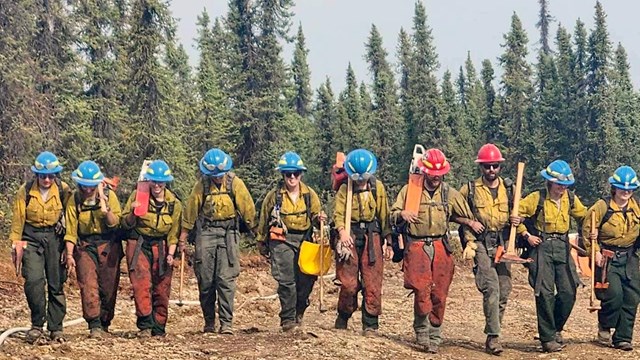
The 6,000 acre Jack Fire was contained on August 23, 2008 using minimum impact tactics (MIST). The fire burned 5,420 acres on Lava Beds National Monument (NPS) and 580 acres of Tulelake National Wildlife Refuge (FWS) lands.

There were approximately 44 miles of perimeter around the fire, less than 1 mile of handline w
as put in to control fire spread and protect values at risk. The remaining perimeter used existing natural barriers, roads, cold trailing, or water rather than ground-disturbing methods. Other minimum impact tactics included using water rather than retardant within the park, keeping vehicles on roads, and avoiding bulldozers for line construction. Retardant drops were used outside the park on refuge land to prevent spread towards private structures.

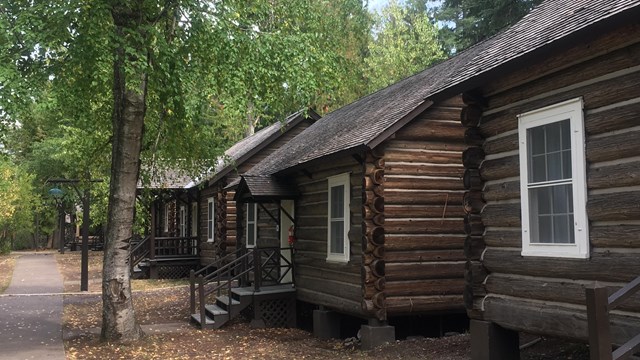
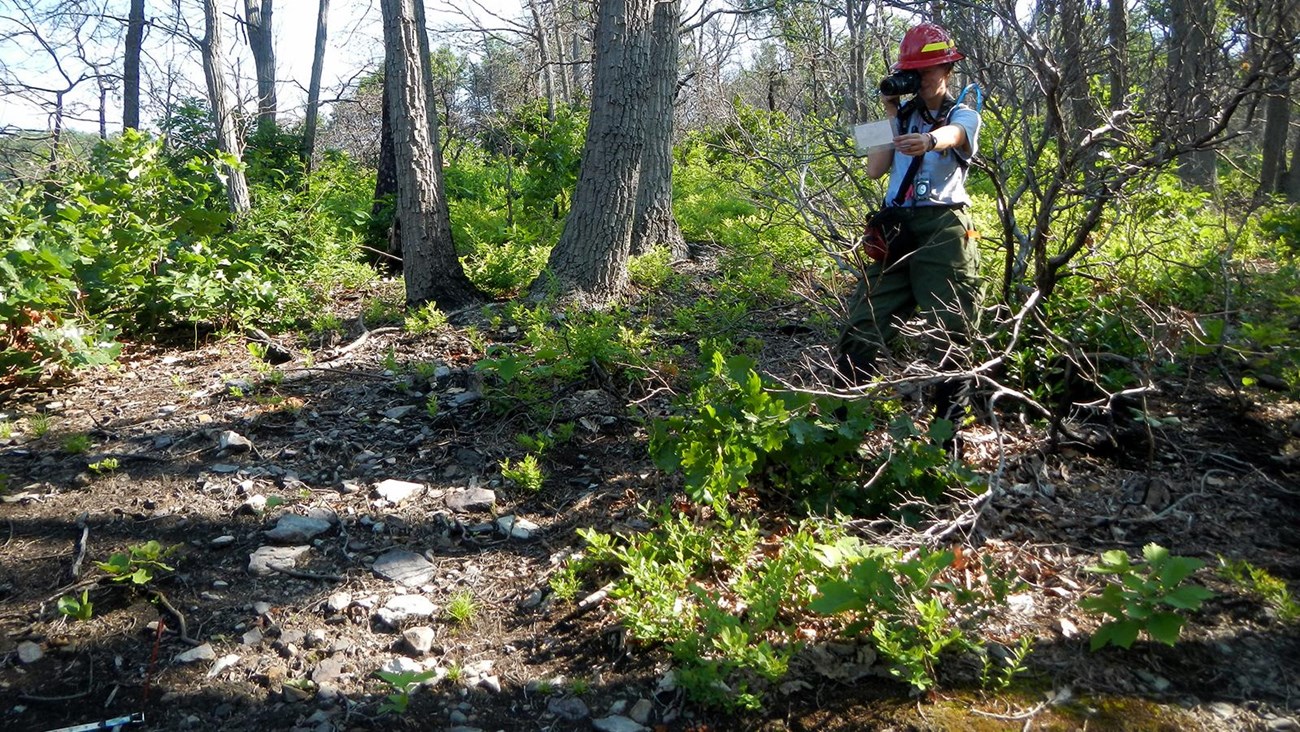
The fire was ignited by lightning on August 17 near Captain Jack’s Stronghold, an archeologically sensitive area. Resource Advisor, David Hays, responded for initial attack and resource protection played an important role in planning for the suppression tactics of the fire. “Firefighting can create more damage (to archeological and historical resources) than the fire itself” said Hays. Monument staff decided to use minimum impact strategies throughout the suppression effort to protect valuable cultural resources.
Wildland fire use was not the appropriate for several reasons including the rapid growth of the fire, proximity to private crops less than 1/2 mile from the origin, the probability of enhancing reproduction of known cheatgrass populations due to the fire intensity, lack of recent precipitation, and current and forecasted strong winds.
Contact: Al Augustine, Fire Management Officer
Phone: (530) 667-8122
*This story supports the National Fire Plan |