The Mustang Corner Fire began on May 14, 2008. Fuels in the saw grass prairies were extremely dry, going on 30 days with no rain. The Energy Release Components and Burning Indices were in 97th percentile and record-breaking on the days with big fire runs. Extreme fire behavior, with rates of spread of over 100 chains-per-hour were observed. The fire was 21,000 acres when Quesinberry’s Type 1 Incident Management Team took over on day four. Primarily a wind-driven fire, rough terrain and extreme fire behavior made control efforts difficult for ground crews. Aerial resources along with the ground crews made good progress, but the fire was still rapidly consuming the habitat of the federally listed Cape Sable Seaside Sparrow. This fast moving fire also jeopardized cultural resources and park structures as well as threatening homes, prisons and other structures within the wildland interface adjacent to the park’s eastern boundary.

Reduced fuel loading from recent fires gave firefighters great assistance in containing the blaze. The fire burned into the 2007 Population F Buffer and U-Road prescribed fires as well as the 2006 Airboat Wildfire. In the northeast corner of the Mustang Corner Fire, the decreased fuel loads from the Airboat and U-Road fires significantly slowed the progress of the fire and providing enough time for firefighting tactics to effectively contain the edge at the perimeter it reached on May 19. The Northeast Slough prescribed burn area (2007) provided a contingency buffer at the corner of US 41 and Krome Avenue, major local travel corridors. Just beyond this intersection were homes, schools and other areas of concern- including the prison buildings that had been evacuated due to the fire.

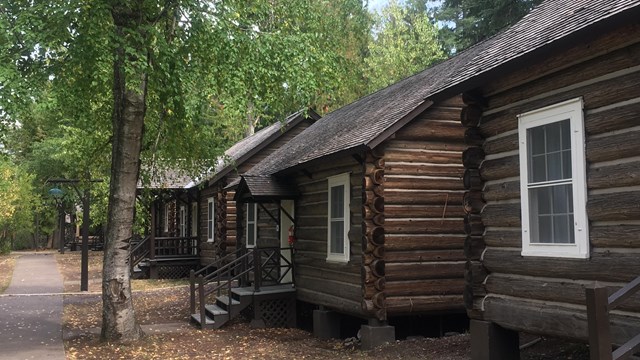
Another major concern of fire managers was 237th Avenue. If the fire crossed this road, more homes and state lands would be threatened. There are also thick stands of highly flammable exotic trees in this area. The Population F Buffer, which had the objective of keeping wildfires originating on or east of the 237 Avenue out of the Cape Sable Seaside Sparrow occupied habitat (“Population F”), worked in the opposite direction. As the fire hooked back around toward the south end of the road, the burn area slowed and stopped the fire, with only a few fingers reaching the road. The crews on the road were able to hold the fire and catch two spots across the road and keep them small (less than 0.1 acres). The U-Road Prescribed Fire provided a buffer to the north end of the road and gave firefighters an area to anchor in burnout operations. Successful execution of this burnout protected several Park structures, including a ranger and fire station and dorm that were threatened by fire.
Contact: Rick Anderson, Fire Management Officer
Phone: (305) 242-7853
*This story supports the National Fire Plan |