In 1958, Everglades National Park made a radical deviation from the national wildland fire strategy of 100% suppression at the time and began a long-term prescribed fire project in the Pine Rocklands ecosystem. Scientists and park officials concluded that years of fire suppression were leading to hardwood encroachment on the pines. If this continued, they feared the diminishing pines habitat would be lost forever, as the park had the only protected tract of this ecosystem in south Florida at the time. Urban development and water management projects were causing the pines to disappear outside of the park. Fires were also becoming more severe as a result of the draining of the Everglades and there was an increase in fuel loading due to the policy of suppressing all wildfires.
NPS Director Conrad Wirth granted the Everglades superintendent the opportunity to create a long-term burn plan and seek the approval of both himself and the conservation community. Once these steps were completed, the park would be able to implement that plan. This process culminated in the first nationally approved prescribed fire in the National Park Service on April 21, 1958.
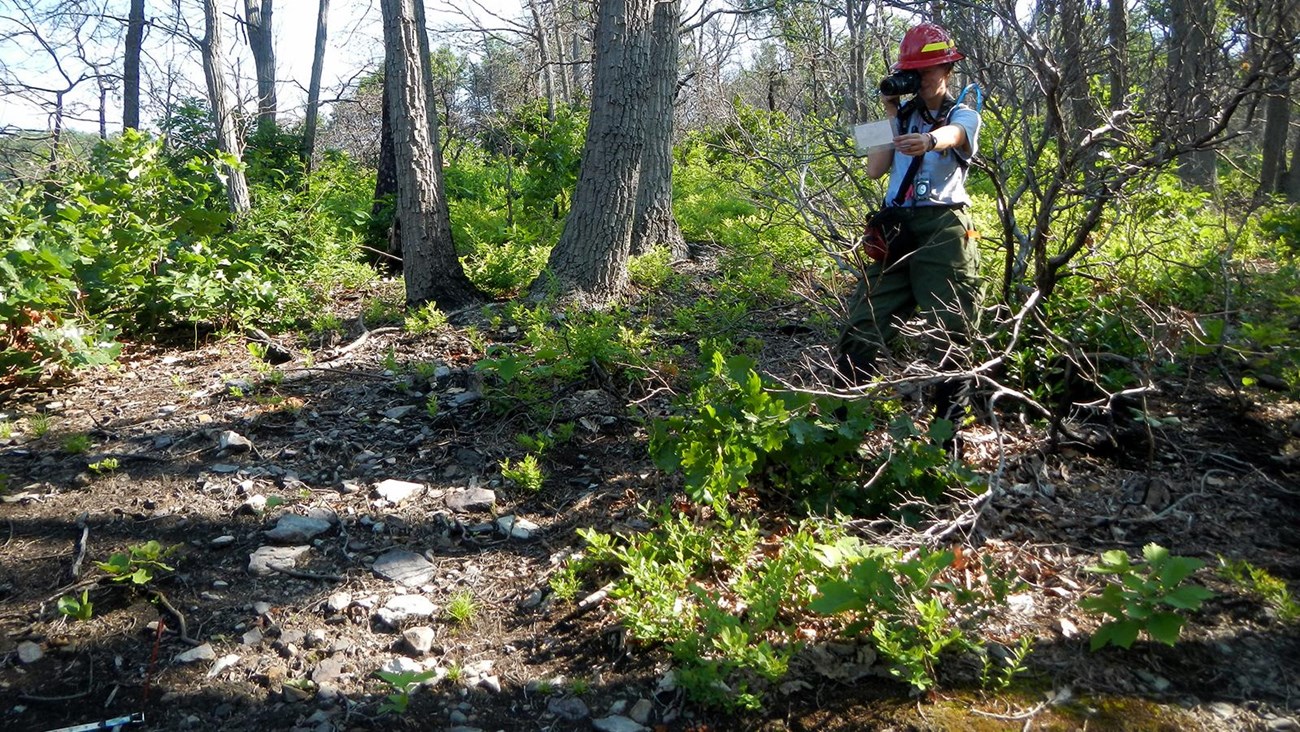
Once the prescribed burns began, scientists, who had been studying the habitat since the early 1950’s, continued to study the pinelands and the effects of fire. The findings of this research, and research conducted by a fire effects crew today, are used to revise and write new burn plans and objectives as well as identify the frequency in which the prescribed fire units in the park should be burned.
On April 16, 2008 Everglades Fire Management conducted the Miccosukee Reserve prescribed fire, a wildland-urban interface buffer burn, marking 50 years of using prescribed fire as a management tool in the park.

Today prescribed fire is used in most of the ecosystems within the park for a variety of management objectives including:
- Hazard fuel removal in the wildland-urban interface and park boundaries
- Restoration and maintenance of habitat
- Landscape management
- Exotics removal and management
Contact: Rick Anderson, Fire Management OfficerÂ
Phone: (305) 242-7853 |