In a nearly unprecedented move, the National Park Service at Salinas Pueblo Missions National Monument conducted a prescribed burn at Abó on April 4, 2007.
Fire is part of nature and is a management tool commonly used by the National Park Service to maintain natural environments, but the use of fire in the presence of cultural resources is rare. This was the first prescribed burn at Salinas Pueblo Missions National Monument, established as Gran Quivira National Monument in 1909.
Salinas Pueblo Missions National Monument preserves three sites in Torrance County where Spanish Franciscan missionaries built mission churches at Native American Pueblos in the early 1600s. The sites feature tall, awesome, nearly incredible church remains where about 35,000 monument visitors come to experience the rich history of New Mexico each year. The churches and the pueblos were completely abandoned in the 1670s due to drought, famine and Apache raids. The area remained mostly abandoned until the early 1800s. Over the centuries, the forces of nature have nearly completely concealed the pueblo structures from view and they appear as mounds with bits of stone-masonry walls protruding.
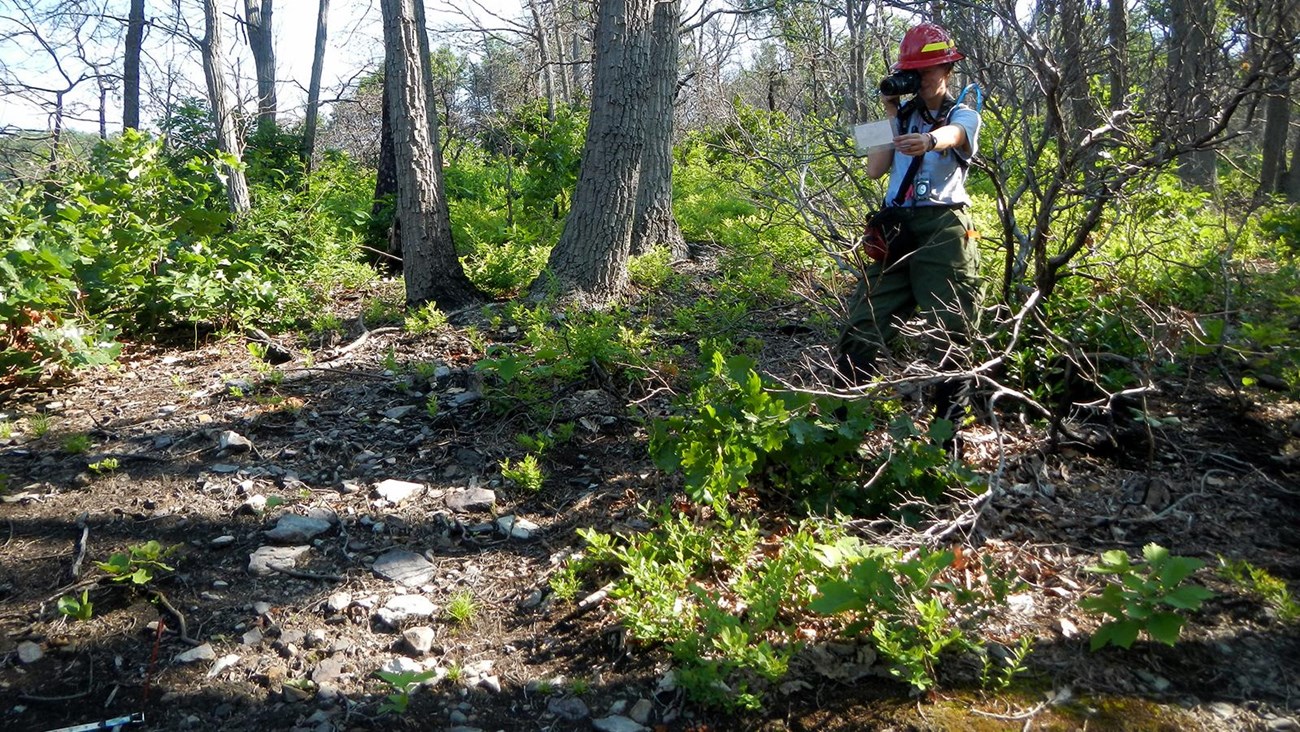
The prescribed burn was conducted on six acres of pueblo mounds at Abó on vegetation that was covering buried pueblo buildings. In addition to removing a dangerous build-up of grass fuel, the fire served to reduce populations of non-native plants, return nutrients to the soil and restore the environment to a more natural state. Standardized scientific fire effects monitoring techniques will be used to measure the effectiveness of the fire in accomplishing explicitly listed planned objectives and goals.

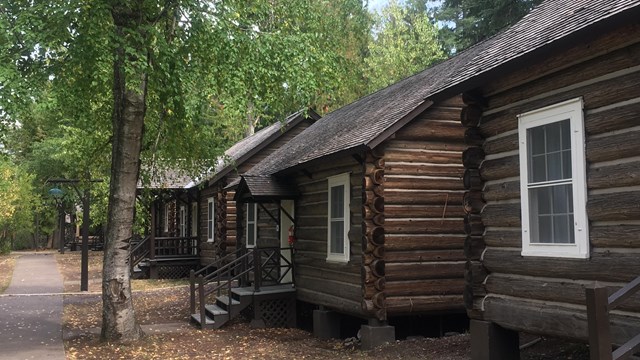
Any prescribed burn entails a great deal of planning, regulatory compliances and authorizations through multiple government agencies and multiple legislative acts, particularly through the National Environmental Policy Act (NEPA). Because of the presence of historic architectural artifacts, this burn required additional compliance documents, including authorizations through the National Historic Preservation Act and the State Historic Preservation Office.
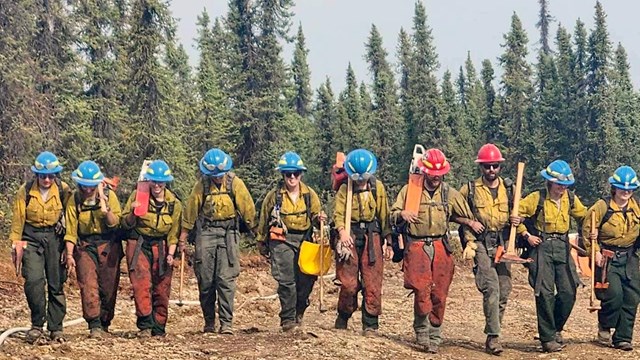
Conducting the burn was an inter-agency effort that included qualified personnel and equipment from the National Park Service, Cibola National Forest, Sevilleta National Wildlife Refuge and the Southern Pueblo Agency. While federal agencies often combine forces to control wildfires, this level of cooperation for a prescribed burn has not been common in the past.
The prescribed burn at Abó is likely to start two beneficial trends: the use of fire as a management tool in cultural resource parks and the increase of pooling of resources between fire management agencies for prescribed fires in the area.
By Thursday morning, less than 24 hours after the burn, spotted rock squirrels were frolicking in the burned area. Rock Wrens and Short-Horned Lizards were foraging on the blackened ground. Nature is not only adapted to fire, but depends on it.
The fire was jointly administered by the National Monument and the Four Winds Group, a coalition of four National Parks under Fire Management Officer Andy Bundshuh, who can be reached at 505 285 4641. Salinas Pueblo Missions National Monument Superintendent, Glenn Fulfer, can be reached at 505 847 2585.
Salinas Pueblo Missions has another prescribed burn planned for later in the year. Depending on public comment opportunities required by the compliance processes, the Monument is planning to conduct several more prescribed burns over the next few years. Based on neighbor comments about this prescribed burn, the Monument is optimistic about future fire use as a management tool.
Contact: Andy Bundshuh, Fire Management Officer
Phone: (505) 285-4641 ext. 14 |