JUNE 7, 2007 - The first project the fire crew tackles
each year at Point Reyes National Seashore is to create
defensible space around park structures to reduce the
threat wildfire. Defensible space is the space between a
structure and surrounding vegetation which makes it
possible for firefighters to safely defend a structure, and
may also allow a structure to survive on its own.
Defensible space within the park is a shared
responsibility involving fire and roads staff as well as
housing tenants.
There are 55 government housing units which make up
the majority of this work. Year round employees who
occupy these housing units are responsible for mowing
lawns and trimming shrubs within 30 feet of the structure
and 10 feet around propane tanks. Woodpiles must also
be located at least 30 feet from all structures. Grass and
weeds near structures must be cut and pulled all summer
long as the fog along the coast keeps vegetation growing
even during the hot, dry months. Several housing units
are on historic ranches which have numerous other
outbuildings needing defensible space as well.
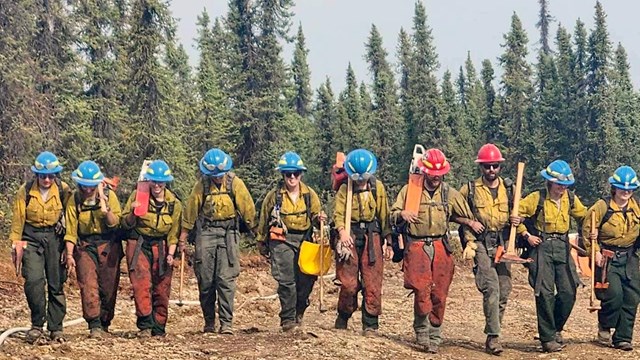
When access allows, the roads crew uses a tractor mower
to cut grass around these buildings. The fire crew is
responsible for removing low hanging branches and
cutting back overgrown shrubs which create dangerous
ladder fuels that could carry a wildfire toward structures.
The fire crew also removes dead trees and branches
which pose a fire hazard resulting from storm damage or
disease. This workload has the potential to increase greatly in the coming years with the
occurrence of Sudden Oak Death being on the rise. Sudden Oak Death is a disease resulting from
a non-native, fungus-like pathogen, Phytopthera ramorum, which was first observed in Marin
County in 1995, and has been gradually spreading toward National Park Service lands on the
coast. Increasing numbers of tanoaks and coast live oaks in the park are dying as their trunks
become infected.
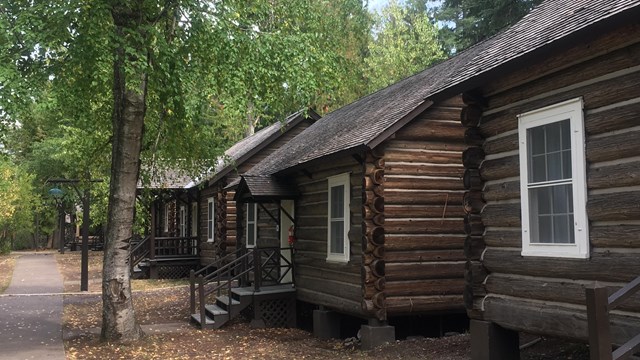
Several historic structures which serve as administrative buildings are also part of the routine
defensible space work at the beginning of fire season. The Pacific Coast Learning Center which
supports visiting researchers, operates out of a historic house which was part of the Hagmaier Ranch. The historic RCA building in the north district of the park, is the operations
center for the California Exotic Plant Management Team, the Central and Southern California
Fire Effects Monitoring Crew, and the Point Reyes Sign Shop. Valuable equipment, data and
field records could be lost if these structures burned.
Defensible space requirements in California have increased from a minimum of 30 feet to 100
feet as a result of the devastating 2003 wildfires in southern California. California Department of
Forestry and Fire Protection guidelines emphasize a "lean, clean, and green" zone for the first 30
feet around structures, followed by a "reduced fuel" thinning zone in the next 70 feet. Property
owners are responsible for the defensible space around their structures. Tenants may be
responsible for this work if it is part of their rental agreement.
Contact: Roger Wong, Fire Management Officer
Phone: (415) 464-5232
*This story supports the National Fire Plan |