Threatened by Wildfire
When residents of the Stehekin Landing were evacuated
on September 9, 2006, they didn’t know if they would
return and have a home. The Flick Creek Fire had been
burning since July 26 and was moving toward the
community through excessive fuel loadings in extremely
steep terrain. Fire suppression tactics relied on using
defensible space projects accomplished by the NPS and
the community to prevent the destruction of homes,
administrative structures, and valuable community
infrastructure. Direct attack by ground personnel on this
fire was not possible until the weather changed in mid-September.
The fire was ignited mid-slope above Lake Chelan by an
illegal campfire, and quickly became a very dangerous,
rapidly spreading crown fire which required mandatory
evacuation of nearby structures. Fortunately, an active
fuel reduction program had been in place around the
Stehekin Landing since 1995. If the same fire had
occurred 10 years ago, the outcome would have been
quite different. As a result of thinning and burning to
create shaded fuelbreaks around homes and other
structures prior to the fire, no structures were burned and
only very minor injuries occurred during the fire
suppression effort.
Being Prepared
The 1994 Stehekin Forest Fuel and Firewood
Management Plan originally identified a series of
prescribed fire and thinning treatments to create strategic
fuelbreaks on National Park Service managed land
adjacent to private property. As a result of the National
Fire Plan, hazardous fuel reduction programs were
accelerated, and 120 acres of fuel reduction was
completed at the Stehekin Landing. These treatments
involved thinning overstocked tree stands, removing
unstable diseased trees, and limbing mistletoe infected
July 2007
branches on live trees. The large diameter trees that were thinned were cut into firewood. The branch
wood and mistletoe brooms were piled and burned. All of these efforts made it possible to
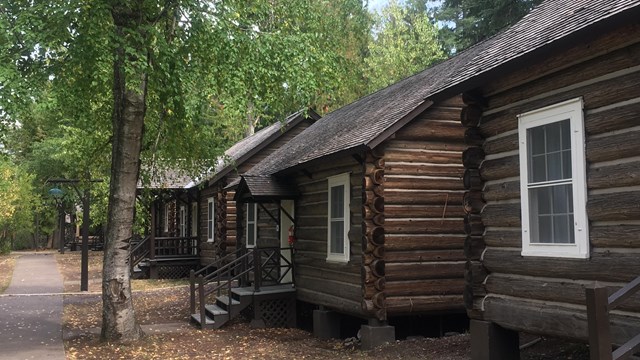
successfully and safely protect 60 structures, including structures listed on the national historic
register and NPS administrative sites, at the Stehekin Landing during the Flick Creek Fire.

Forest Health
The forest around Stehekin had grown dense since the last major wildfire in 1890. Numerous fires
since that time had threatened Stehekin but had been effectively suppressed before they entered the
community. By excluding fire from this ecosystem, the forest had become dominated by thick,
young Douglas fir in places where large old trees had once been mixed more evenly with ponderosa
pine. With the increase in Douglas fir, parasitic dwarf mistletoe (Arceuthobium douglasii)
populations had expanded and fungal root diseases had spread. Large growths of mistletoe on tree
branches created ladder fuels. The combination of excessive ladder fuels and ground fuels enabled
the Flick Creek Fire to move quickly through the canopy of the overstory trees in areas that had not
been treated. Where mistletoe infected branches had been removed, fire behavior was less extreme. The mistletoe removal was done with assistance from the Wenatchee Forestry Sciences Lab which
provides expertise and funding to treat forest health problems in the Pacific Northwest.
During eight years of work on the Landing Forest Health Thinning Project, 1,500 understory trees
were removed, 700 trees were limbed and 650 overstory trees were cut and utilized by the NPS and
valley residents.
Surviving the Flick Creek Fire
The combination of burning, tree thinning, and branch removal in the Landing Forest Health
Thinning Project created tree crown separation, and low fuel loads in both the understory and the
overstory. As a result, the Flick Creek Fire was easier to control when it got closer to Stehekin
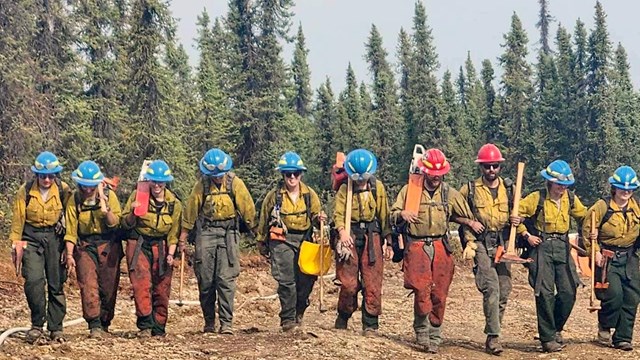
Landing. Handlines were easy to construct, simple burn out tactics could be used, and the defensible
space created by reducing hazardous fuels provided a safe area for firefighters to work as the fire
approached structures. The efforts of property owners along the lakeshore and at the landing to
create defensible space around their homes also played a critical role in the outcome the Flick Creek
Fire. All of the structures that were threatened survived.
Contact: Tod Johnson, Fire Management Officer
Phone: (360) 854-7350
*This story supports the National Fire Plan |