|
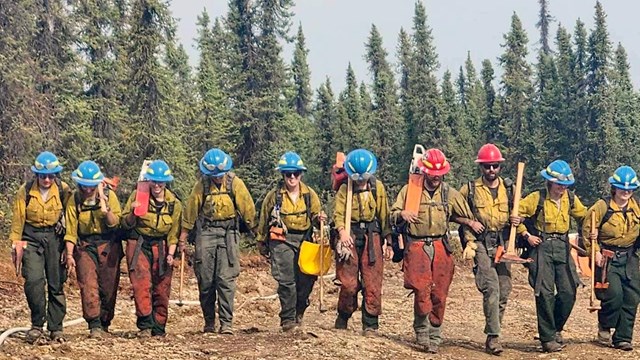
While they could have been soaking up sun on the beaches of Cancun, this VIP (Volunteers in
Parks) group of students from the University of Virginia chose instead to spend their spring
break doing a service project in Zion National Park. The 13-person VIP group helped the
park's fire management staff reduce some of the hazardous fuels near the Grotto Picnic area in
Zion Canyon. They picked up and piled downed and dead debris that accumulated over the
years and has lead to an increased risk from wildland fire. The group worked with fire
management for two days and also assisted other divisions in the park with service projects.

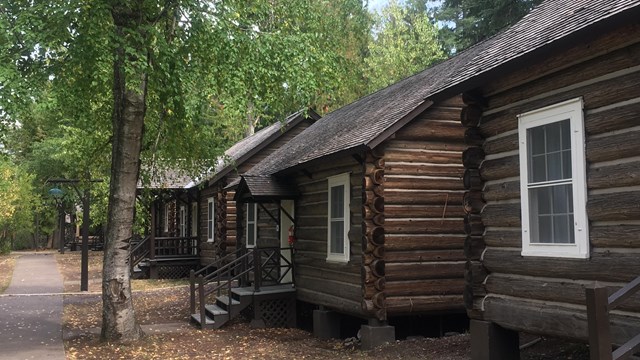
The Grotto Picnic area is one of the park's shuttle system stops as well as a trailhead for some
the canyon's popular hikes. It is also the site of the park's original visitor center, which is now
on the National Register of Historic Places. Once cleared of downed debris, the area can be
used as a safety zone for both firefighters and the public in the event of a wildland fire. The
park's fire management crews, along with local contract crews, have been working over the
past few years to reduce hazardous fuels in the Zion Canyon area in accordance with the park's Fire Management Plan's goals to protect park infrastructures and the public from the risks of
wildland fires. Fire Management Plan's goal to protect park infrastructures and the public from
the risks of wildland fires.

The main goal of this fuel reduction project was to make it easier for the park's maintenance
division, with guidance from the fire and resource management staffs, to conduct their third
consecutive year of mowing excessive exotic vegetation in the canyon to also reduce the risks
from wildland fires. Much of the debris picked up by the VIPs was hidden in the high grass,
thus making it difficult for the mowers to see it. The group placed the removed debris into piles
that was burned a few days later when it snowed in Zion Canyon.
This VIP fuel cleanup in Zion National Park is a great example of college students willing to
forgo the normal spring break activities and instead provide a valuable service for the park,
which in turn will help protect park visitors and resources. Due to this group's (and other
VIPs) efforts the park is better able to continue the tradition of perpetuating the natural and
cultural resources for which they were established.
Contact: David Eaker, Fire Communication & Education Specialist
Phone: (435) 772-7811 |