|
Yellowstone had six projects that were successful with the Rural Fire Assistance and Prevention/Education funding for 2003. Four adjacent Rural Fire Departments were recipients of $35,000 and two Prevention/Education programs met the goals outlined for funding. The following is a summary account of the six projects.
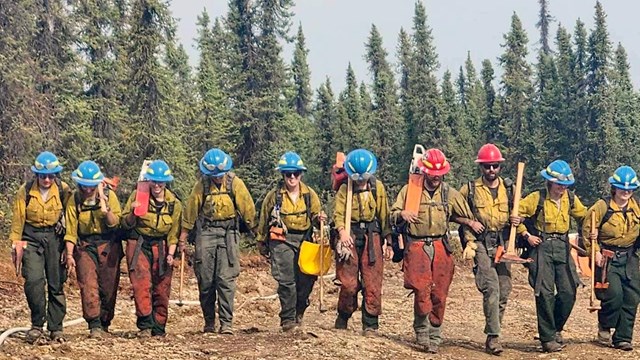
The four Rural Fire Departments, which included Rural Fire District No. 1 of Park County, Montana, Gateway Hose Company of Gardiner, Montana, West Yellowstone , Montana Volunteer Fire Department, Rural Fire Protection District No. 2 of Park County, Wyoming, received a total of $35,000 from Yellowstone National Park. The Departments used these funds to purchase Personnel Protective Equipment (PPE) and other wildland fire support gear for their fire department. Many Rural Fire departments have structural fire gear and some wildland gear but most times not nearly enough wildland gear to outfit all of their members.
Yellowstone was funded $50,000 for two Prevention/Education programs for 2003. Both of these programs were highly successful. These two programs were Camp Wildness and Fire Interpretation from the Mt. Washburn fire lookout/exhibit location. Camp Wildness was a cooperative program between Yellowstone and Idaho Upward Bound Math Science coordinated by the University of Idaho.
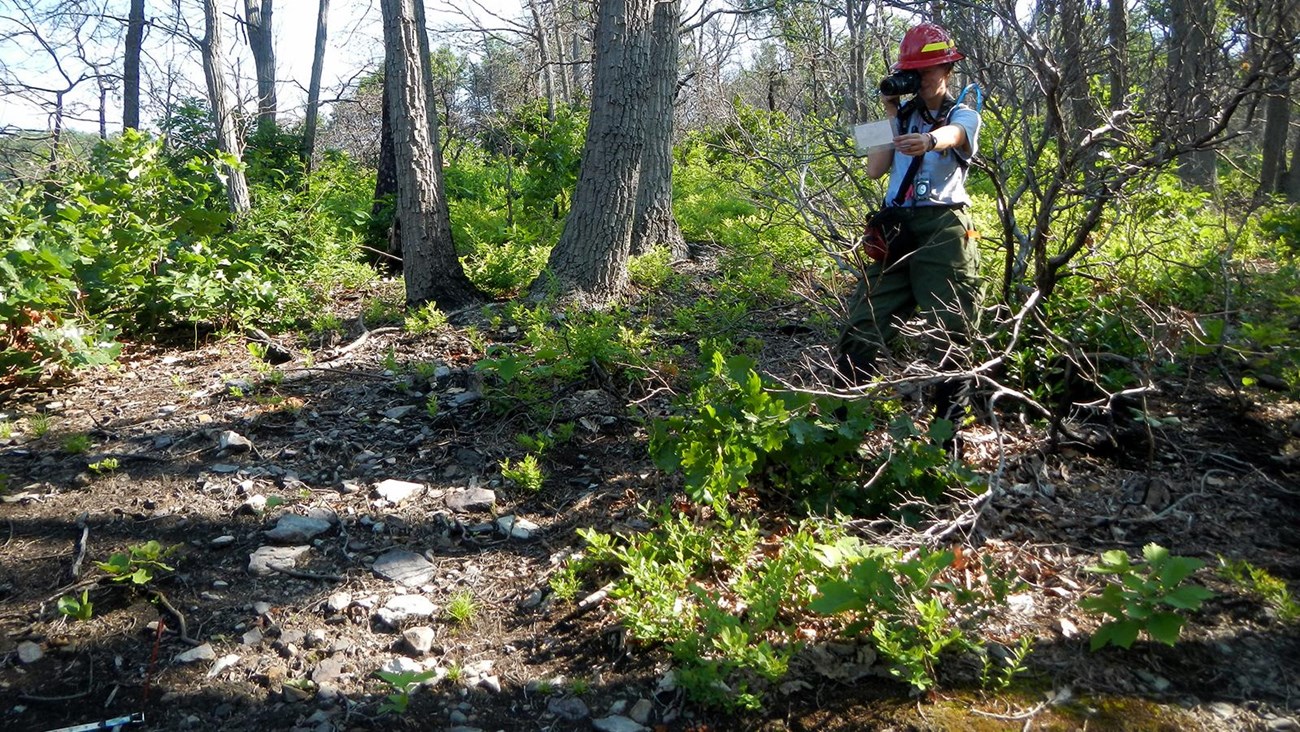
The Prevention/Education allocation funded a portion of the overall Camp Wildness program. Three NPS personnel, one fire management and two interpretative employees attended the Regional FIREWISE workshop in Idaho Falls, Idaho in April. These employees taught the FIREWISE evaluation criteria to the Camp Wildness high school students who were able to evaluate structures (both private homes and commercial buildings) in Silver Gate and Cooke City, Montana. The Fire Effects staff, part of the Yellowstone Wildland Fire Management program instructed students in how to establish and read fire effects vegetative plots, set up a fire weather station and take daily weather observations and how to take representative vegetative samples and determine the fuel moisture content of these samples to calculate potential fire behavior potential. The fire effects plots that were established will be re-read each summer and will serve as a key link in fire effects for this area of Yellowstone NP.
A Fire Interpretation seasonal was hired to provide wildland fire information to over 15,000 visitors at the Mt. Washburn lookout during the 2003 fire season. The 2003 fire season recorded the 2nd highest starts (78) and the 2nd most acres burned (28,849). This was a fortuitous season to have fire interpretation funding, as the majority of these fires could be viewed and interpreted from the Mt. Washburn lookout location, especially the largest fire, the East Fire (which burned some 23,500 acres) and the 315 acre Amethyst Fire that burned for several weeks on Specimen Ridge. The rest of this funding was used to fund regular interpretive park staff employees for additional interpretation of the wildland fires and in support of the Wildland Urban Interface (WUI) thinning projects. |