NPS Fire Management Program
Fire Program Education Public and Media Career Development Employment
Public and Media, Fire Stories Fire Stories Public and Media
Home
About the Fire & Aviation Program
Contact Us
Search NPS Fire
2009
2008
2007
2006
2005
2004
2003
2002

2002

Mesa Verde National Park
Mesa Verde Fuel Treatments Reduce Impacts of Long Mesa Fire

Flames and dark smoke plume from a piñon-juniper forest.

On July 29, a smoldering spark from a lightning strike a few days earlier developed into the Long Mesa Fire and began moving towards the heart of Mesa Verde National Park. Since 1996, Mesa Verde has been tested by three large fires that burned about half of the park, but the Chapin Mesa Headquarters and staff residences had never before faced direct flames.

Over 70 structures were in the path of the fire, but years of hard work, extensive planning, and excellent firefighting came together to save the structures.

Left: Thick piñon-juniper forest; right: Open stand piñon-juniper forest with flames and smoke in distance.

Aerial view of mesa with shape drawn on image to indicate where fuel reductions had taken place.

The park structures are on fingers of Chapin Mesa extending out to the west towards Spruce Canyon. From north to south, the major areas are:

  • The water tank
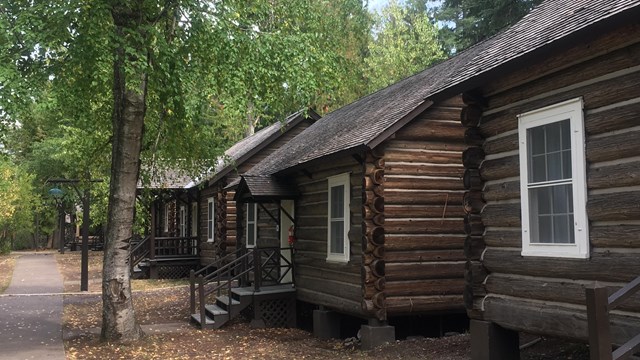
  • The Fire Management Office, Research Facility and historic Civilian Conservation Corps (CCC) buildings
  • The housing area and maintenance facilities
  • The main visitor area, museum, and Park Headquarters

Each of these areas had been thinned during the previous 10 years and enhanced during 2002 due to the extreme fire danger present in the park. Spacing of trees was reduced from a continuous canopy to at least 20 feet between mature trees with little or no understory fuels. In most cases, the treatment went out 75-100 yards from the structures.

The park took other steps to complement the defensible space that had been created through fuels reduction. Perhaps the most important was replacing the original wooden shingle roofs of the Civilian Conservation Corps (CCC) buildings with composite fire-resistant shingles.

Sprinklers were also installed throughout the developed area, while hoses and supplies of structural protection foam were placed in strategic locations for quick accessibility.

On the day of the fire, as it headed south, firefighters installed additional sprinklers on rooftops, foamed houses, and set up hose lays throughout the developed areas. The Long Mesa Fire produced an intense shower of flying firebrands, but the combination of new roofs, foam, and sprinklers greatly contributed to successful structural protection.

Left: Airtanker dropping retardant with large dark plume of smoke nearby. Right: Firefighters with hoses douse flames near parking area.

Another critical element was the evacuation plan developed by Mesa Verde. The plan included visitors, contractors, park employees, and residents. Mock evacuations and refreshers every two weeks were part of the preparations. Before the Long Mesa Fire started moving south, the plan was implemented and all personnel not directly involved in the firefighting effort left Chapin Mesa. This allowed the firefighters to focus on the fire and move freely and safely along the narrow roads.

As the fire came south on Chapin Mesa towards the developed area, the water tank faced the initial onslaught of the fire. The water tank was left undefended so firefighters could concentrate on the Fire Management Office and research area. Though the area was thinned, embers ignited the wooden support beams, which led to a collapsed roof and contamination of the park’s water supply.

Left: Aerial view of burnt mesa. Middle: House on White House Loope burning with propane tanks in foreground. Right: Smoldering burned piñon-juniper forest near road.

Two structures were consumed. The radiant heat did not start other fires in nearby houses because of the preventive measures taken and the actions of the firefighters. As the west flank of the fire moved off Chapin Mesa, the east flank still posed a threat to the Headquarters area and Spruce Tree House, a major cliff dwelling. Fuel breaks along the main road and a safety zone put in place before the fire provided protection. Retardant drops boosted the protection around the Headquarters’ buildings and Spruce Tree House. 

Left: Aerial view of Headquarters area reddened by retardant. Right: View of Cliff Palace and midden area from above.

Without the fuels reduction effort and effective preparation by Mesa Verde personnel, many invaluable archaeological sites could have been damaged or destroyed.

Contatct: David Eaker, Fire Education, Prevention, and Information Specialist
Phone: (435) 772-7811

Cliff dwelling, glowing golden in the afternoon sun.

Mesa Verde National Park
park profile pages
visit website.

utility links
Home page. National Park Service Fire ResourcesInformation TechnologyNational Interagency Fire CenterPrivacy PolicyDisclaimer USA.govInsideNPS Fire Larger version of thick piñon-juniper forest. Larger version of open piñon-juniper stand with flames and smoke in distance. Larger version of airtanker dropping retardant near large dark smoke plume. Larger version of firefighters using hoses to douse flames near parking area. Larger version of aerial view of burned piñon-juniper forest. Larger version of burning house with propane tank in foreground. Larger version of aerial view of smoldering burnt piñon-juniper forest near road. Larger version of aerial view of Headquarters area reddened by retardant. Larger version of view of Cliff Palace and midden area from cliff top.