|
Grand Teton National Park completed two burns this fall as part of their ongoing prescribed fire program. Inclement weather postponed three other scheduled projects.
The Wolff Ridge burn, located south of Moran Junction near Spread Creek, totaled 1700 acres. The objectives of the Wolff Ridge Prescribed Fire included regenerating aspen in decadent stands and reducing conifer encroachment. Through natural succession and lack of disturbances like fire, aspen stands in this portion of Grand Teton National Park consist primarily of tall mature trees with little or no regeneration. Like many western states, Wyoming has experienced a significant decline in aspen stands, losing approximately 50% of its aspen acreage over the past 100 years. Aspen communities provide important wildlife habitat, and the revegetation and diverse age structure of aspens resulting from the reintroduction of fire will provide many species with an excellent combination of forage and cover.

Additionally, a 120-acre unit burn of sagebrush and grass was completed west of the town of Kelly. Objectives for this prescribed fire included reducing the crown closure of the sagebrush. The reduction of fuel will create a defensible space adjacent to the Kelly town site, and a variety of different aged stands and densities of sagebrush will provide habitat for a variety of wildlife species. The burn will also generate greater grass and forb production.
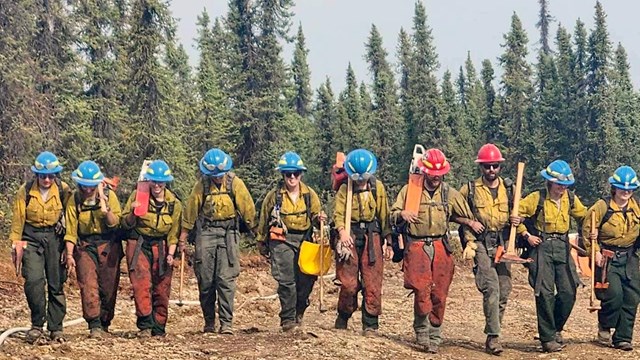
Both the Wolff Ridge and Kelly Prescribed Fires were a cooperative effort between local, state and federal agencies. Interagency assistance included over 40 individuals from the US Forest Service, Bureau of Land Management, Wyoming Game and Fish Department, Jackson / Teton County Fire Department, and Yellowstone National Park.

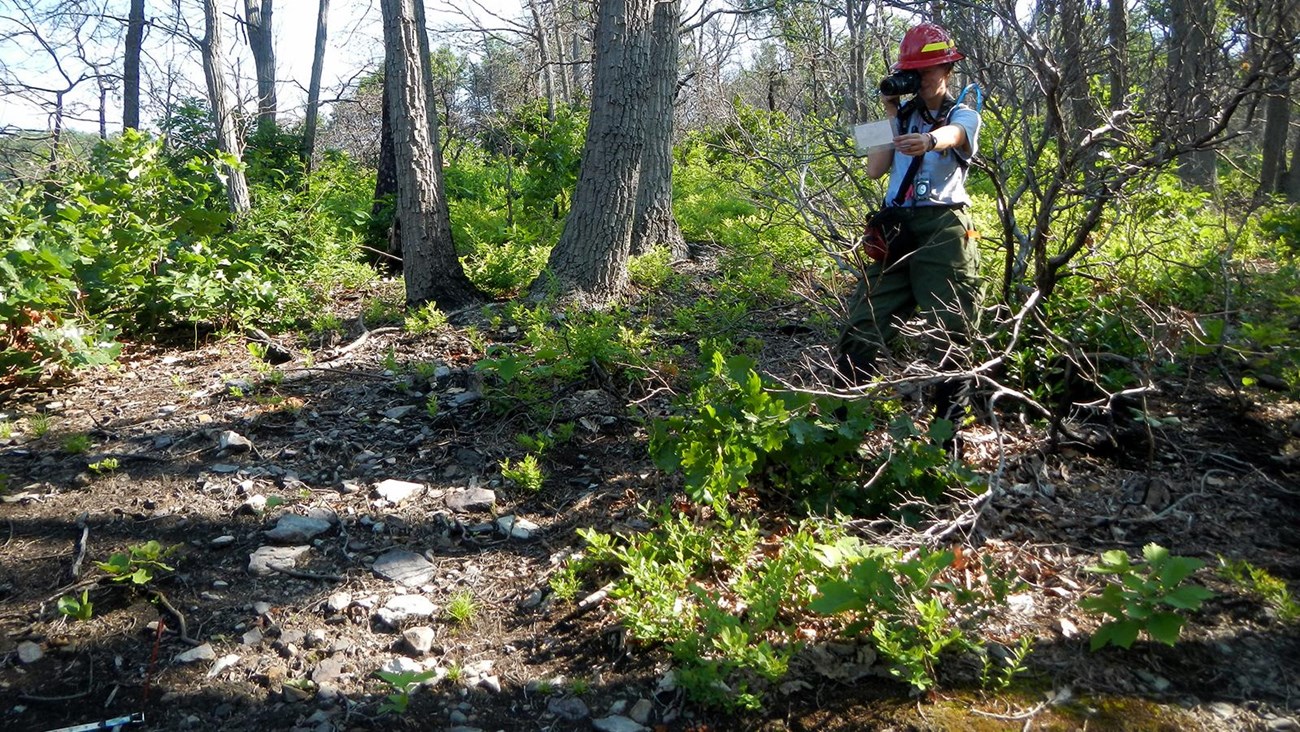
Under the guidance of the park's Fire Management Plan, the use of prescribed fire as a tool will help decrease risks to life and property while restoring and maintaining natural processes in the diverse fire-adapted vegetation of Grand Teton National Park.
Contatct: Lori Iverson, Fire Education, Prevention, and Information Specialist
Phone: (307) 739-3692 |