
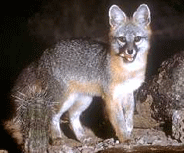
NPS Photo Phylum: Chordata Characteristics: The gray fox is a peppery gray on top and reddish-brown on its sides, chest, and the back of its head. Its legs and feet are also a reddish color. It has a long bushy tail with a black stripe on top. The gray fox has pointed ears, a pointed muzzle, and long hooked claws. The gray fox is a solitary hunter and eats a wide variety of foods. A large part of its diet is made up of small mammals like mice, voles and eastern cottontail rabbits. It also eats birds, insects, and plants like corn, apples, nuts, berries, and grass. In the summer and autumn, grasshoppers and crickets are an important part of its diet. Habitat: The gray fox lives in a wide variety of habitats but prefers wooded areas. They are the only canids that can climb trees. Gray foxes usually den in crevices in the rocks, in underground burrows, under rocks, in hollow logs, or in hollow trees. |
Last updated: April 10, 2015