
• Image of bluebells in the spring

    Cuyahoga Valley

    National Park Ohio

There are park alerts in effect.
show Alerts »
  • Tick Alert

    Multiple tick exposures have been reported by visitors to the park. Please be aware that proper shoes, clothing, use of repellent spray, and checking the body for ticks following a visit to the park are the best way to prevent transmission of disease. More »

  • Canal Visitor Center Closure

    Canal Visitor Center will be closed for construction, starting Monday, May 6, 2013. It will reopen with new exhibits in early 2014.

  • Bald Eagle Closure in Effect

    RR tracks, and 30 foot right of way on either side, are closed to all foot traffic from the Rt. 82 Bridge at Station Rd, north to the RR tracks at. The Cuyahoga R. downstream of the Brecksville Dam to the Fitzwater Rd Bridge is closed to water activities.

Water Shortage

In the valley lowlands, groundwater is not easily accessible. Most buildings in communities such as Peninsula need to obtain potable water from outside sources and store it in an outside cistern. In seasons with very little rainfall, this can be both expensive and in high demand. Throughout the 20th century to the present day, water haulers have helped valley residents overcome the shortage.
 
Oral history audio.

In Their Own Words
Click the topic to hear stories about Cuyahoga Valley life.

Water Shortage (1 minute 48 seconds)
Philip Urbank, who grew up on Quick Road in Peninsula and worked as a well driller, describes the valley water shortage and the steps that residents take to provide water to their homes and businesses.


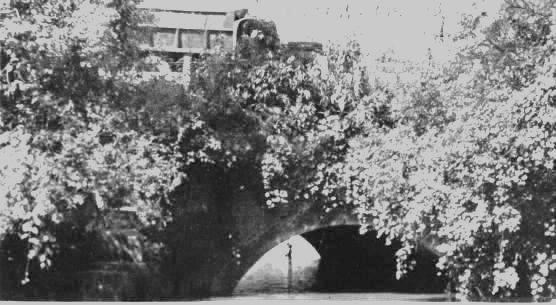
Howe aqueduct.
Valley communities need to find outside sources of water. In 1825, Richard Howe built this aqueduct near Yellow Creek to carry water.
Courtesy/Bath Township Historical Society

Did You Know?

Monarch Butterfly - US Fish and Wildlife Service Photo

Early September is the time to watch monarchs feed in Cuyahoga Valley fields rich with goldenrod and New England aster. These places serve as important re-fueling sites for these long distance travelers on their way to oyamel forests near Mexico City more than 2,000 miles away.