A remote camera in the park captured a female mountain lion with three juvenile cubs in 2017
(NPS photo)
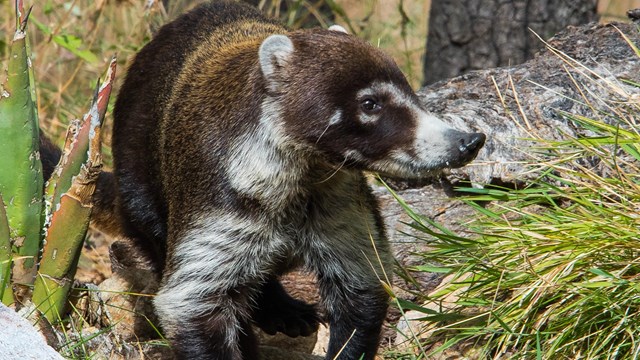
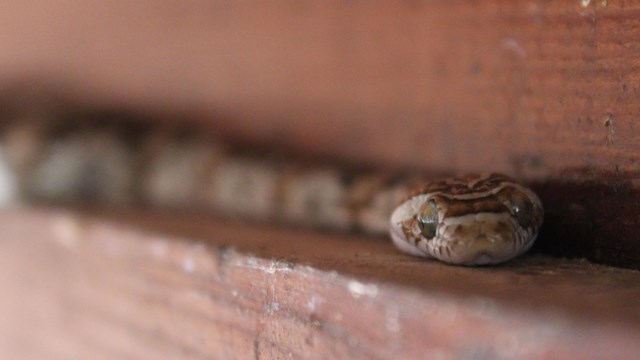
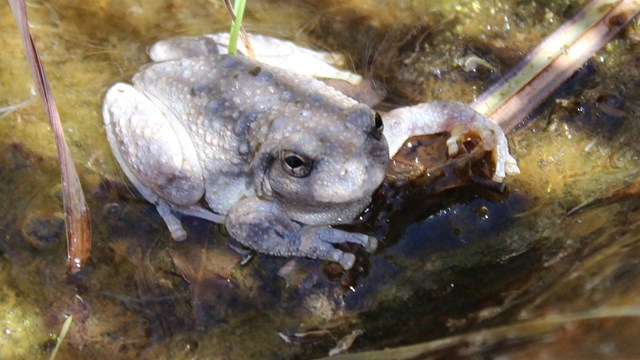
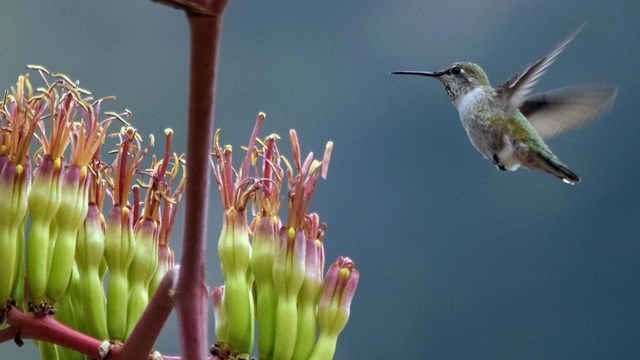
A look at distribution maps of several animal classes – reptiles, birds, and mammals, for example – shows Coronado sitting at the center of a unique biological vortex. Here, four major biological provinces intersect: the Sonoran and Chihuahuan deserts, and the Sierra Madre and Rocky Mountains. The result is an ecological melting pot where species richness is much greater than it would be within one province alone. Some of that richness includes a dozen species of hummingbirds, the coatimundi and javelina, and many reptiles – among them incredible animals like the female whiptail lizard that reproduces without the need of males!
At night, the grasslands hum with the scurryings and diggings of an abundant assortment of mammals – pygmy mice, pocket mice, grasshopper mice, harvest mice, deer mice, kangaroo rats, woodrats, skunks, coyotes, and ringtails. White-tailed deer, Montezuma quail, whiskered screech owls, and cottontail rabbits are common denizens of the oak woodlands and piñon–juniper forests.