
Skip to SearchSkip to NavigationSkip to BodySkip to Footer
National Park Service LogoU.S. Department of the InteriorNational Park ServiceNational Park Service
National Park Service:  U.S. Department of the InteriorNational Park Service Arrowhead
Captain John Smith Chesapeake National Historic Trail Kayaking the Bay
view map
text size: largest larger normal
printer friendly

Overview

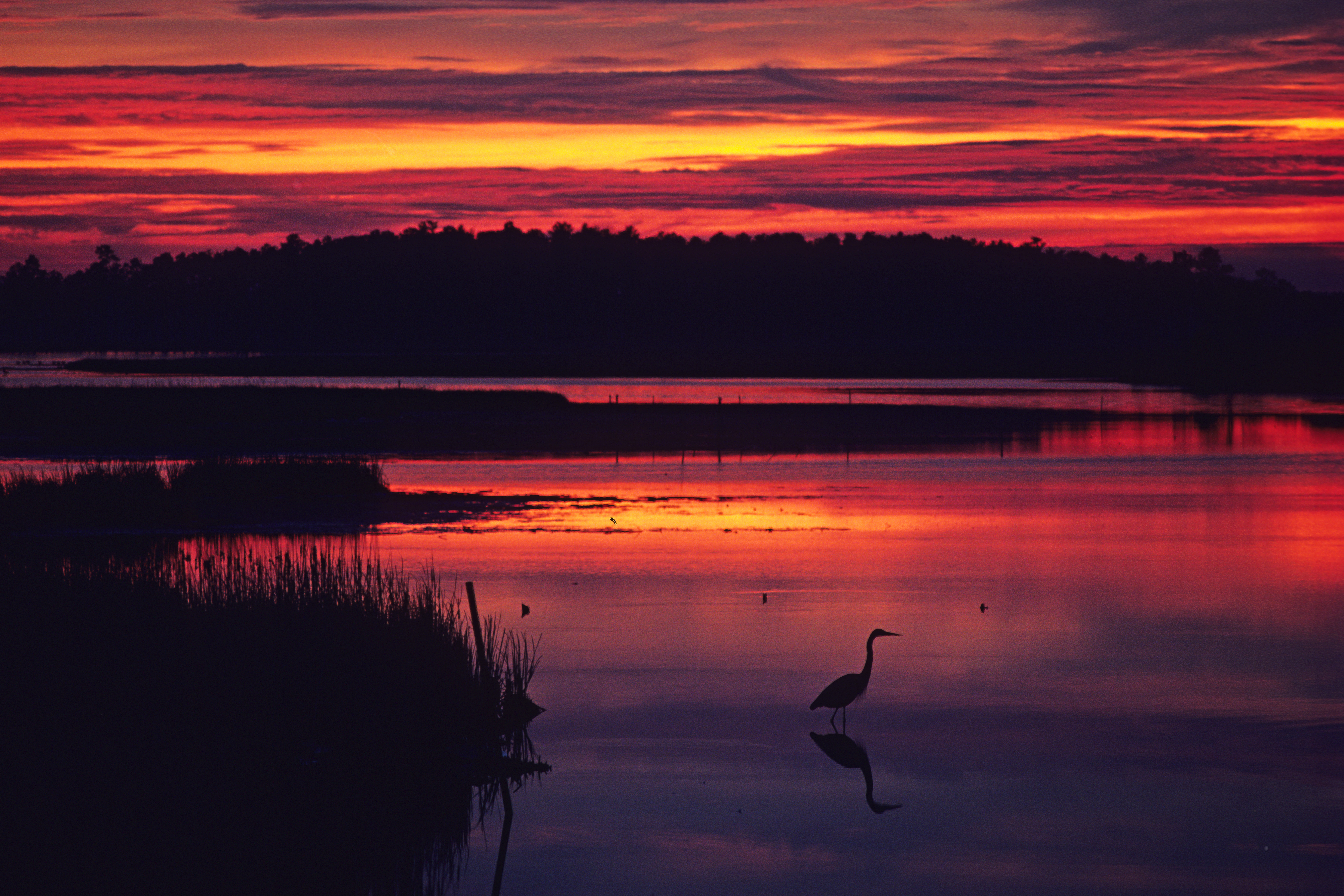
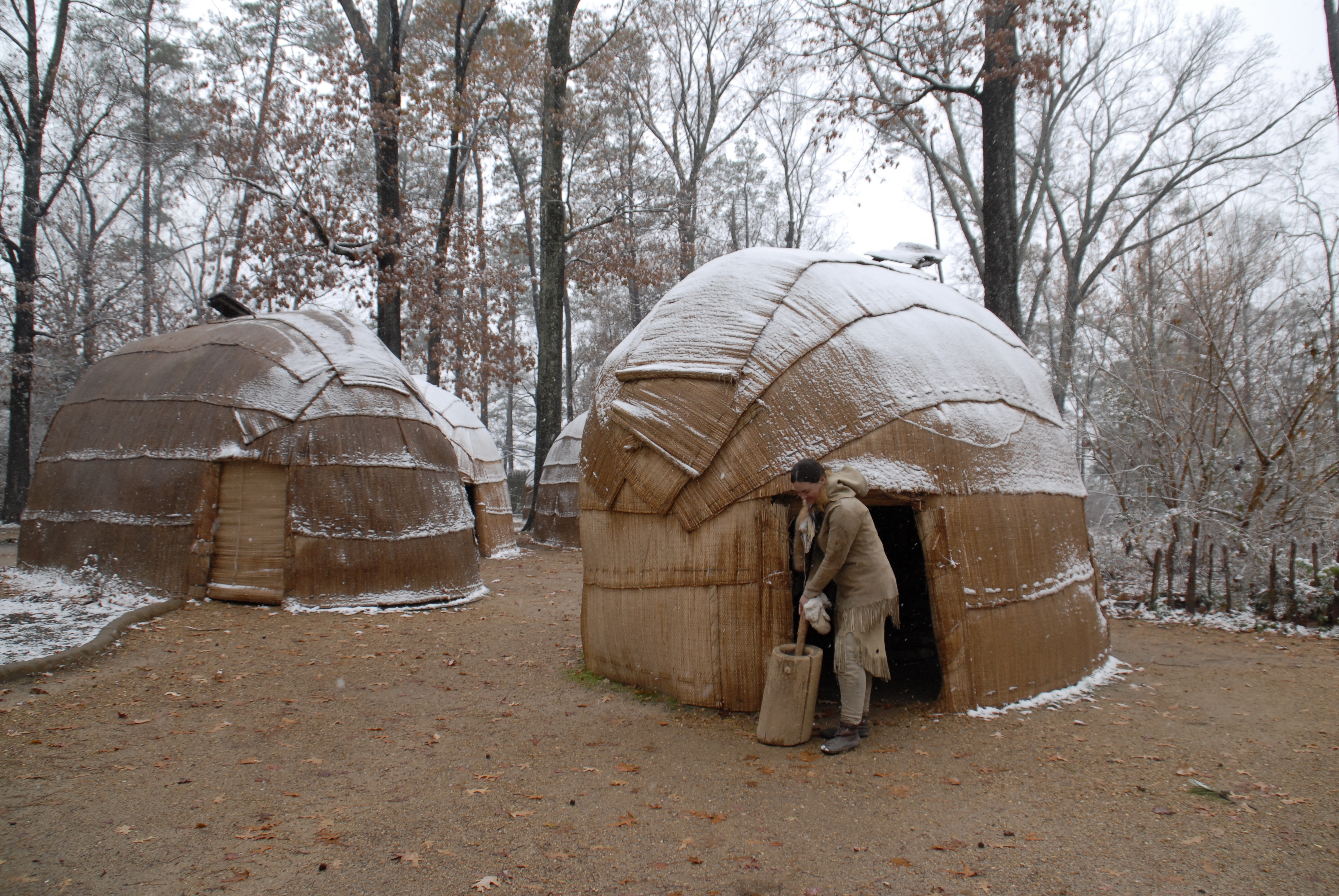
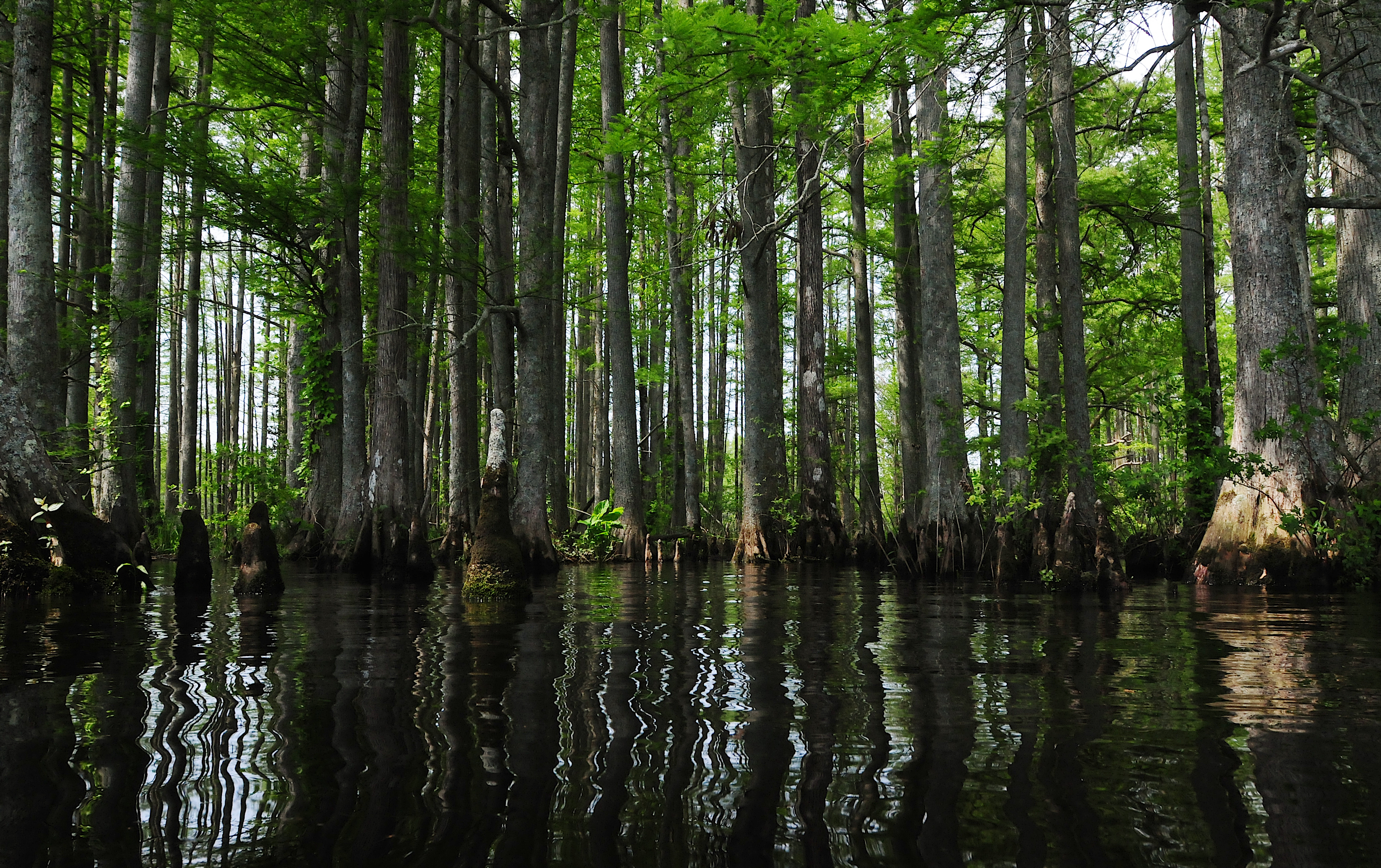
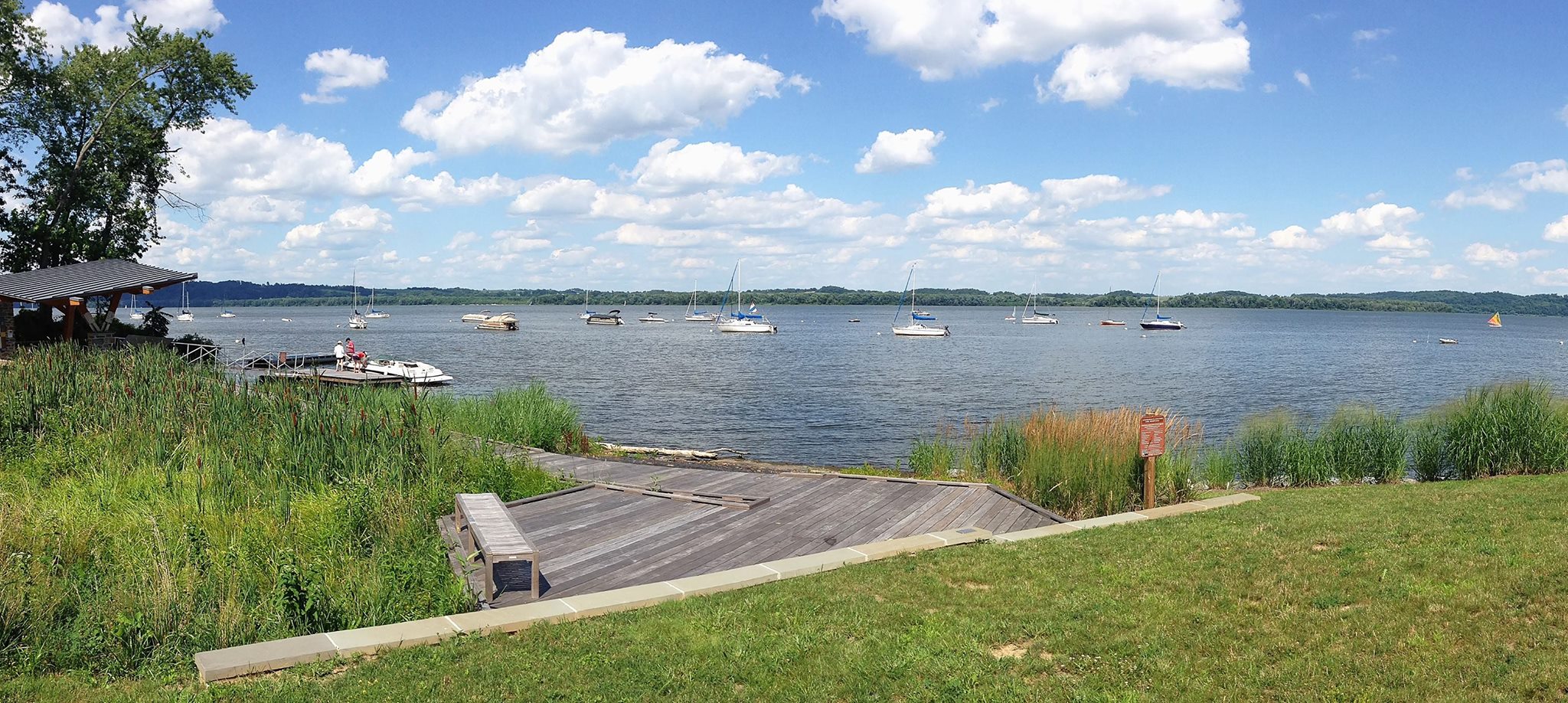
Imagine Indian towns along the rivers and waters teeming with life. Such was the Chesapeake that Captain John Smith and his fellow Englishmen encountered as they explored this "very goodly bay" and its rivers more than 400 years ago. Follow in the wake of Smith's journeys on the Captain John Smith Chesapeake National Historic Trail, America's first national water trail.

 
Captain John Smith

Adventures Await You on the John Smith Trail

After founding the first permanent English settlement on Jamestown Island in 1607, Smith and his fellow adventurers spent nearly two years exploring, mapping, and recording nearly 3,000 miles of the Bay and its rivers. His maps and writings influenced European settlement of the region for nearly a century.

Travel Smith's routes and learn about the native cultures and natural environment of the 17th-century Chesapeake while experiencing the rich diversity of this national treasure. Start your adventures at www.smithtrail.net where you will find the best places to access the trail and plan your visits.

 
CAJO color logo

Boater's Guide to the Trail

Envision the Chesapeake as Captain John Smith saw it four hundred years ago, and as American Indian societies have experienced it for thousands of years.

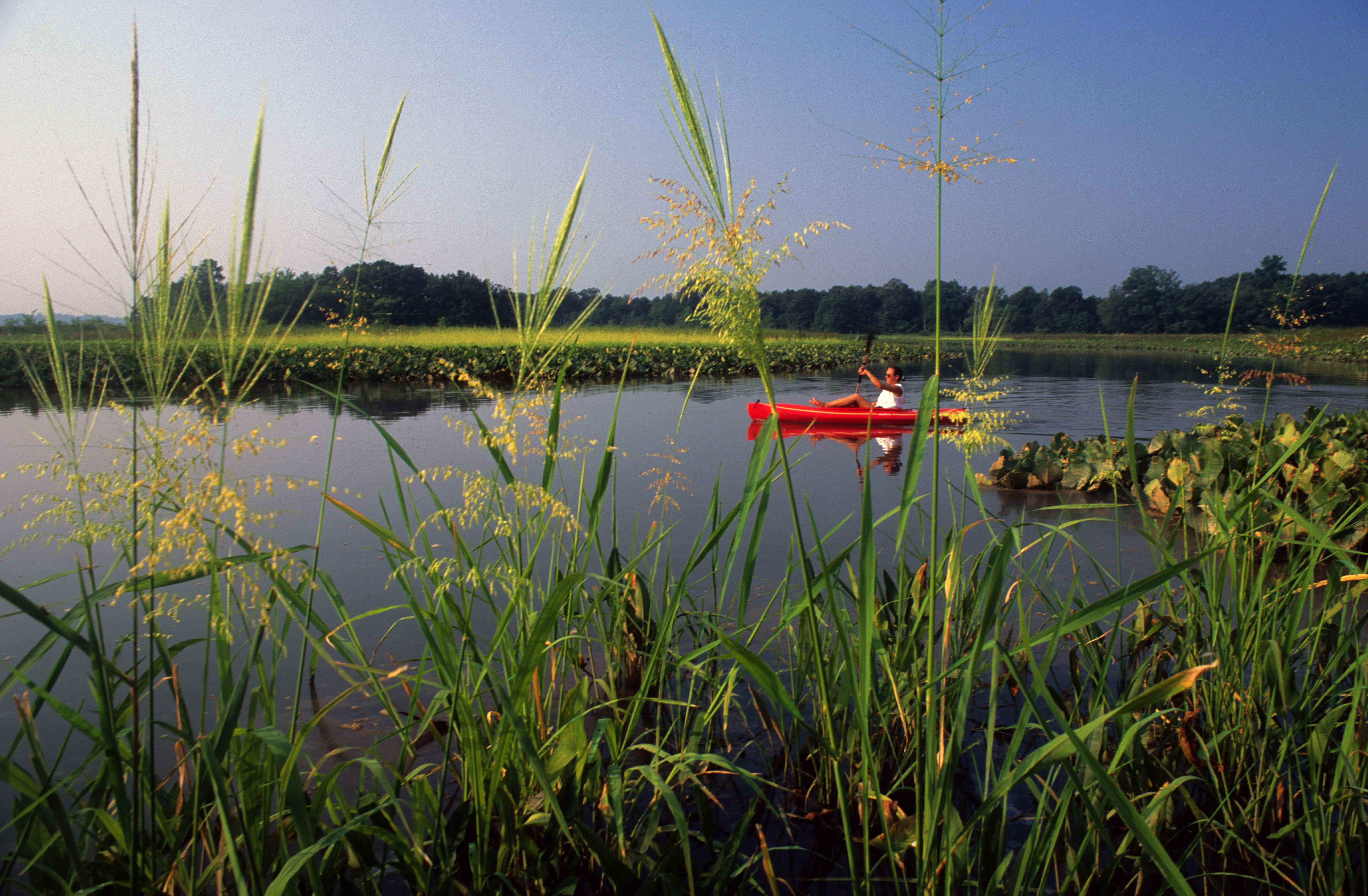
An online resource, A Boater's Guide to the Captain John Smith Chesapeake National Historic Trail, introduces paddlers, boaters, and armchair travelers to the Bay and tributary rivers. Author and naturalist John Page Williams weaves practical information for today's boaters with the historical context of the Chesapeake's waters explored by Captain John Smith four centuries ago.

Learn where the trailheads are to access the water (including GPS coordinates), see suggested trip itineraries, and compare on-the-water experiences for paddlecraft, skiffs and runabouts, and cruising powerboats and sailboats. The Guide's interactive features include links to additional maps, NOAA's Chesapeake Bay Interpretive Buoy System, navigation charts, and information on facilities and points of interest.

 
Copy of Children_Exploring_Cache_Treasure

Go Geocaching!

The Captain John Smith Geotrail is a journey across Chesapeake landscapes that evoke scenes and stories experienced by Captain Smith 400 years ago. Adventurers will explore more than 40 sites that highlight places associated with Smith's explorations, the natural resources of the Chesapeake, and American Indian communities then and now. Geocaches along the trail are placed along five of the Chesapeake's beautiful rivers: the James, Rappahannock, Potomac, Susquehanna, and the Nanticoke.

Geocaching, pronounced "geo-cashing", is a worldwide phenomenon in which participants use a hand-held GPS (Global Positioning System) to load map coordinates in order to locate a hidden treasure, or "cache". Searching for a cache is akin to going on a treasure hunt and can involve clues, riddles and visits to multiple locations. A "geotrail" is a series of caches tied together by a common topic or theme.

A collectible, trackable geocoin is awarded to the first 400 geocachers who locate a minimum of 15 geocaches along the trail. Download your trail passport now at www.smithtrail.net!

 
Chesapeake Bay Buoys

“Smart” Buoys Mark the Water Trail

America's first national water trail has a special partner in the National Oceanic and Atmospheric Administration. NOAA devised a buoy system that transmits a variety of data for boaters, scientists, and educators. The ten "smart" buoys in the Chesapeake Bay Interpretive Buoy System are loaded with sensors to help track Bay restoration progress. Plus, you can cruise or paddle to a buoy location, contact it on your cell phone (877-BUOY-BAY) and learn about that very place as Captain John Smith saw it four hundred years ago. Learn more at www.smithtrail.net and www.buoybay.noaa.gov.


Write to

NPS Chesapeake Bay Office
410 Severn Avenue, Suite 314
Annapolis, MD 21403

E-mail Us

Phone

Visitor Information
(410) 260-2470

Climate

The Chesapeake Bay stretches from the mouth of the Susquehanna River in northern Maryland to Norfolk in southern Virginia. Weather can vary greatly from location to location and season to season. You can get up-to-the-minute information on weather and water conditions from buoy locations.
Skip to SearchSkip to NavigationSkip to BodySkip to Footer

Last Updated: September 29, 2011 at 09:57 MST

CANCEL

You are exiting the National Park Service website

Thank you for visiting our site.

You will now be redirected to:

We hope your visit was informative and enjoyable.