
Skip to SearchSkip to NavigationSkip to BodySkip to Footer
National Park Service LogoU.S. Department of the InteriorNational Park ServiceNational Park Service
National Park Service:  U.S. Department of the InteriorNational Park Service Arrowhead
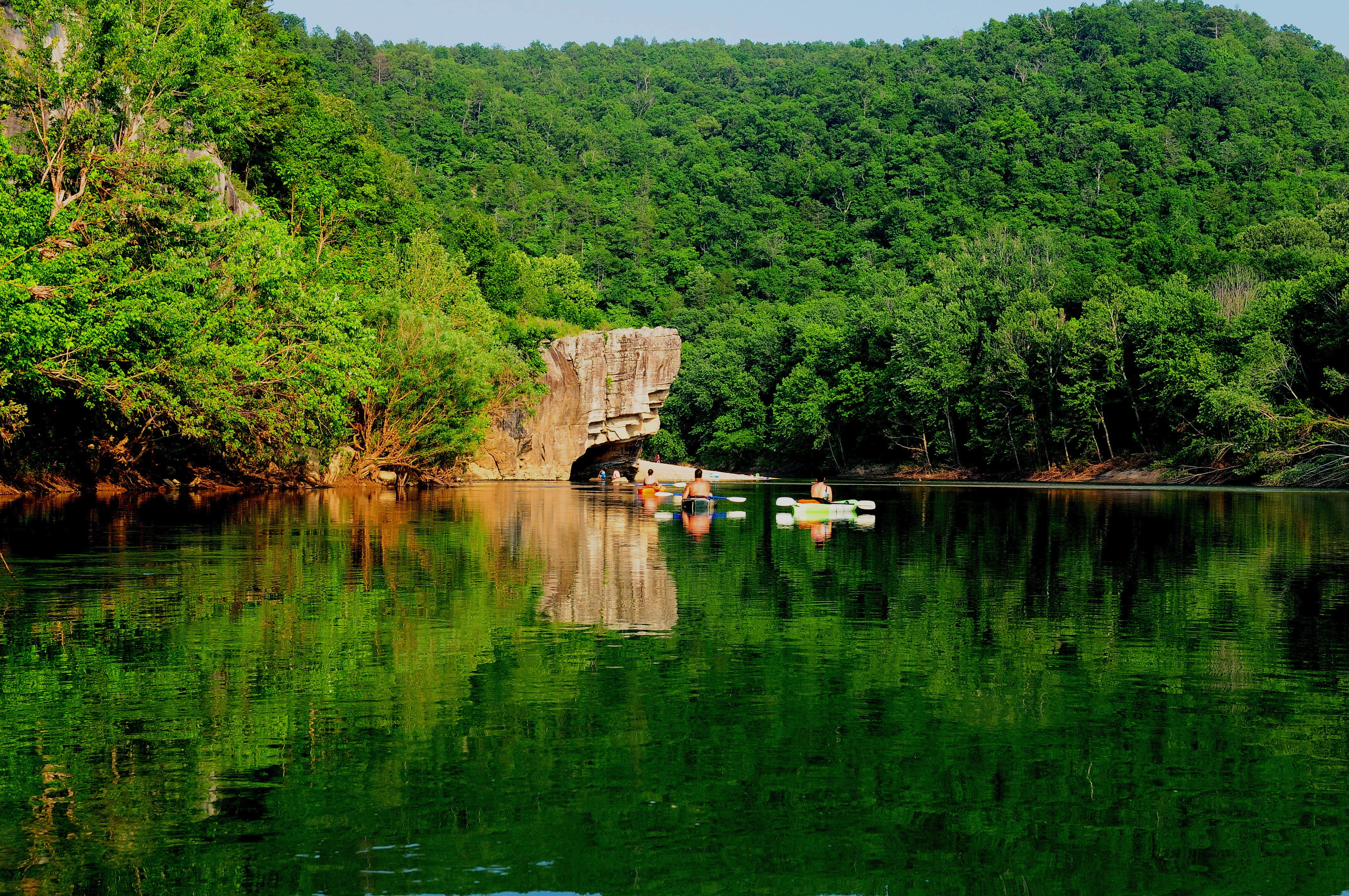
Buffalo National River Approaching Buffalo Point from up river reveals broad gravel bars surrounded by thick hardwood forest.
view map
text size: largest larger normal
printer friendly

America's First National River

Established in 1972, Buffalo National River flows freely for 135 miles and is one of the few remaining undammed rivers in the lower 48 states. Once you arrive, prepare to journey from running rapids to quiet pools while surrounded by massive bluffs as you cruise through the Ozark Mountains down to the White River. Welcome Message...

>>>Updated Park News<<<

 
familyincanoe

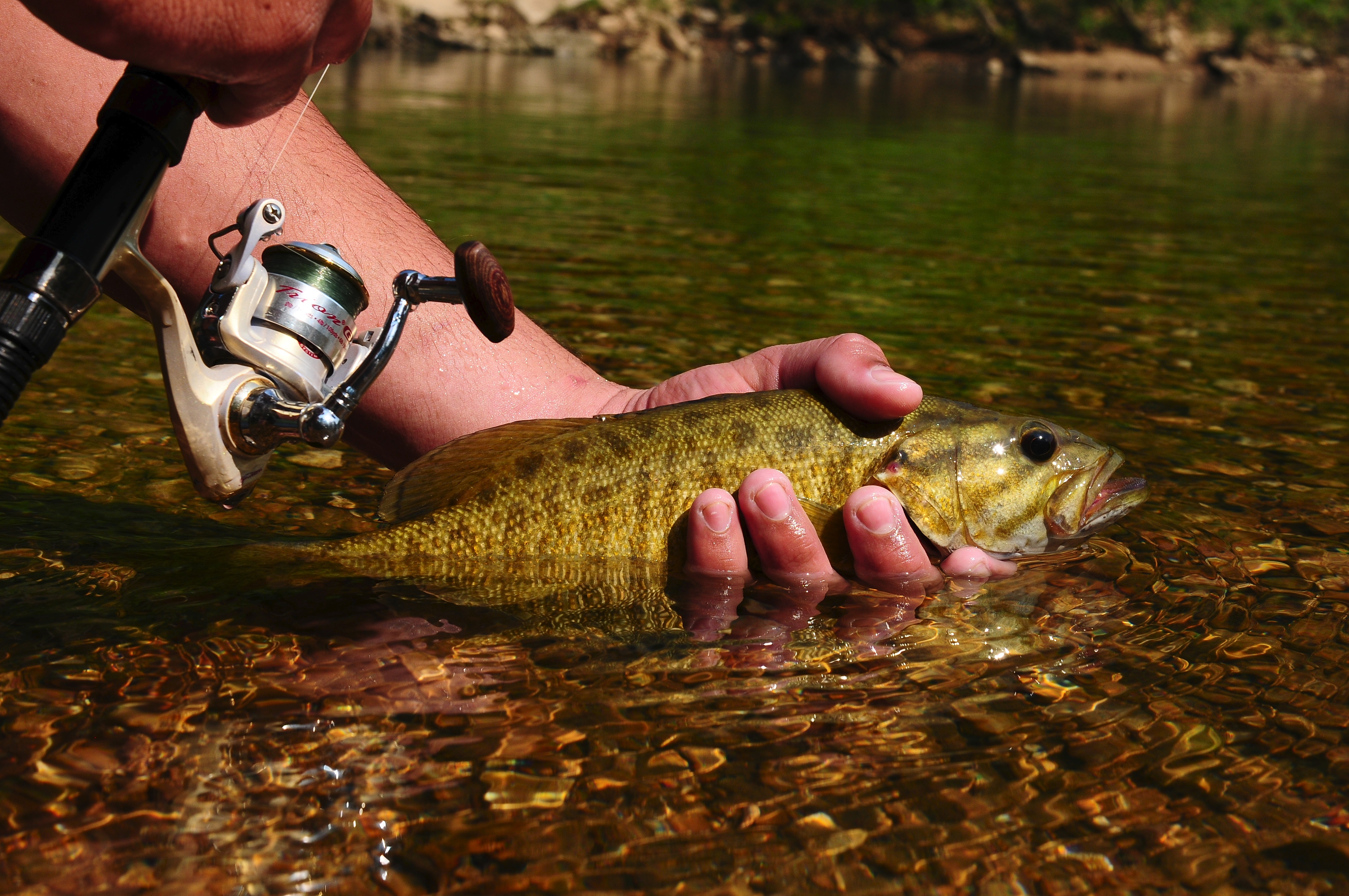
Enjoy a day of river running or fishing

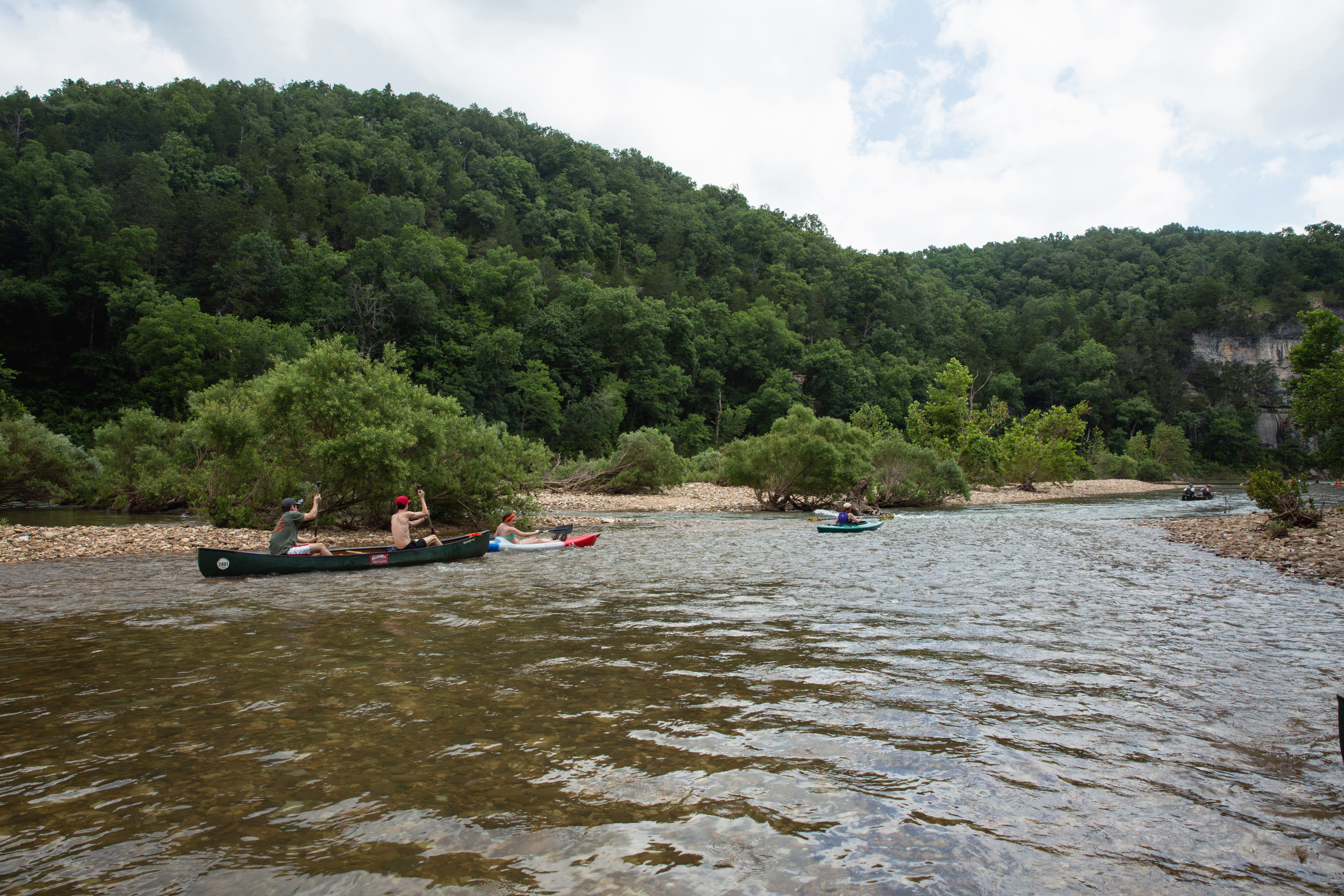
The Buffalo is suited for all canoeing abilities. You can find whitewater in the upper stretches of the river to satisfy the adventurer and long, lazy floats on the lower river for those folks seeking quiet solitude. Bring your own canoe or make arrangements to rent a canoe, kayak, or raft from one of the park's many concessioners. Johnboats are also for rent. Fishing guide services can be arranged.

Water levels will vary during the year based on rainfall activity. Visit our interactive river map to receive the latest information on river flow and levels.
 
CWLogo

Civil War in the Ozarks

The isolated yeoman lifestyle of most Ozark residents left them more interested in providing for their families than the threat of secession; however, the presence of war began residing on their door step. Civil War Stories.

 
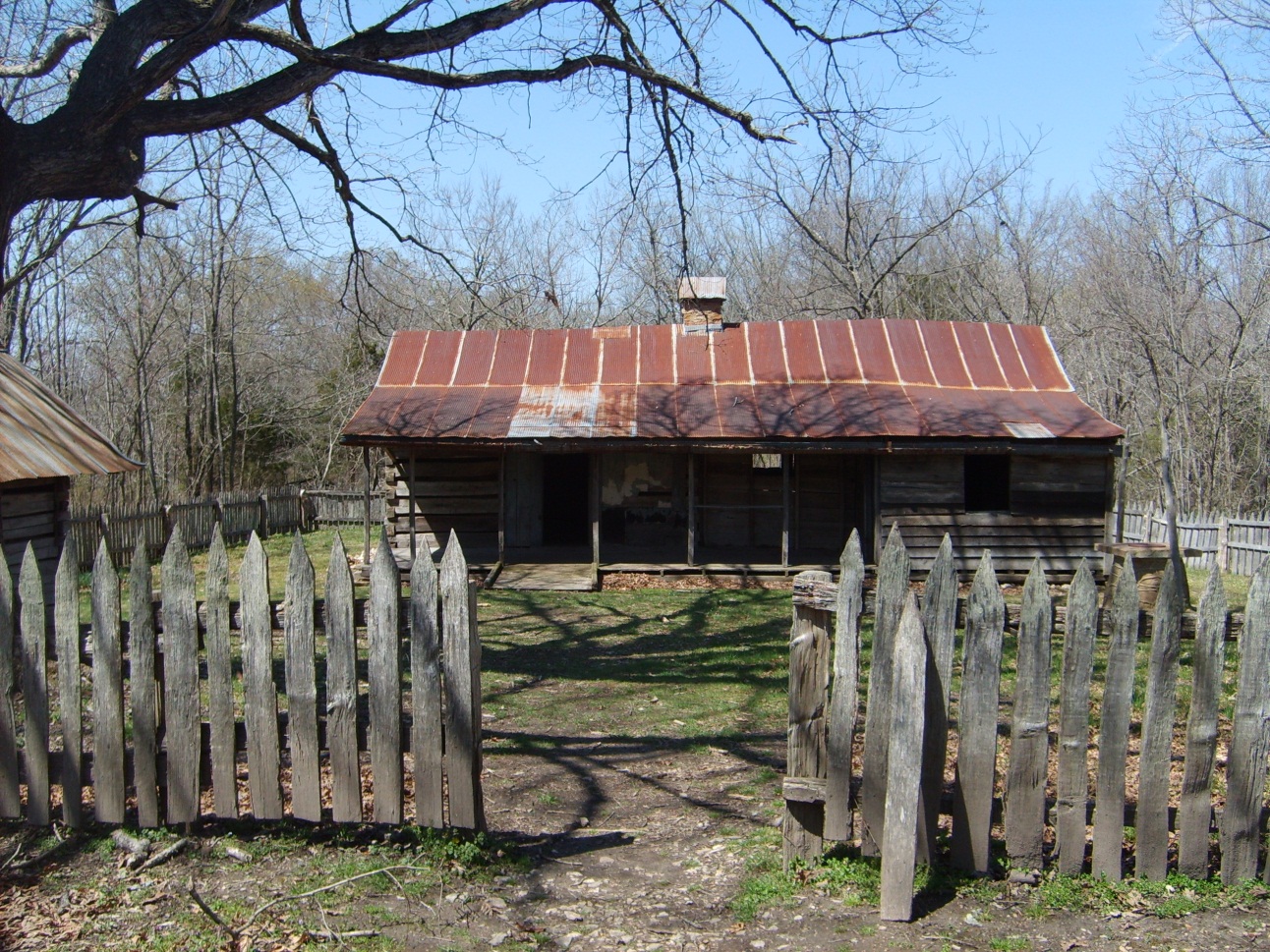
Parker-Hickman Cabin

The past is close at hand

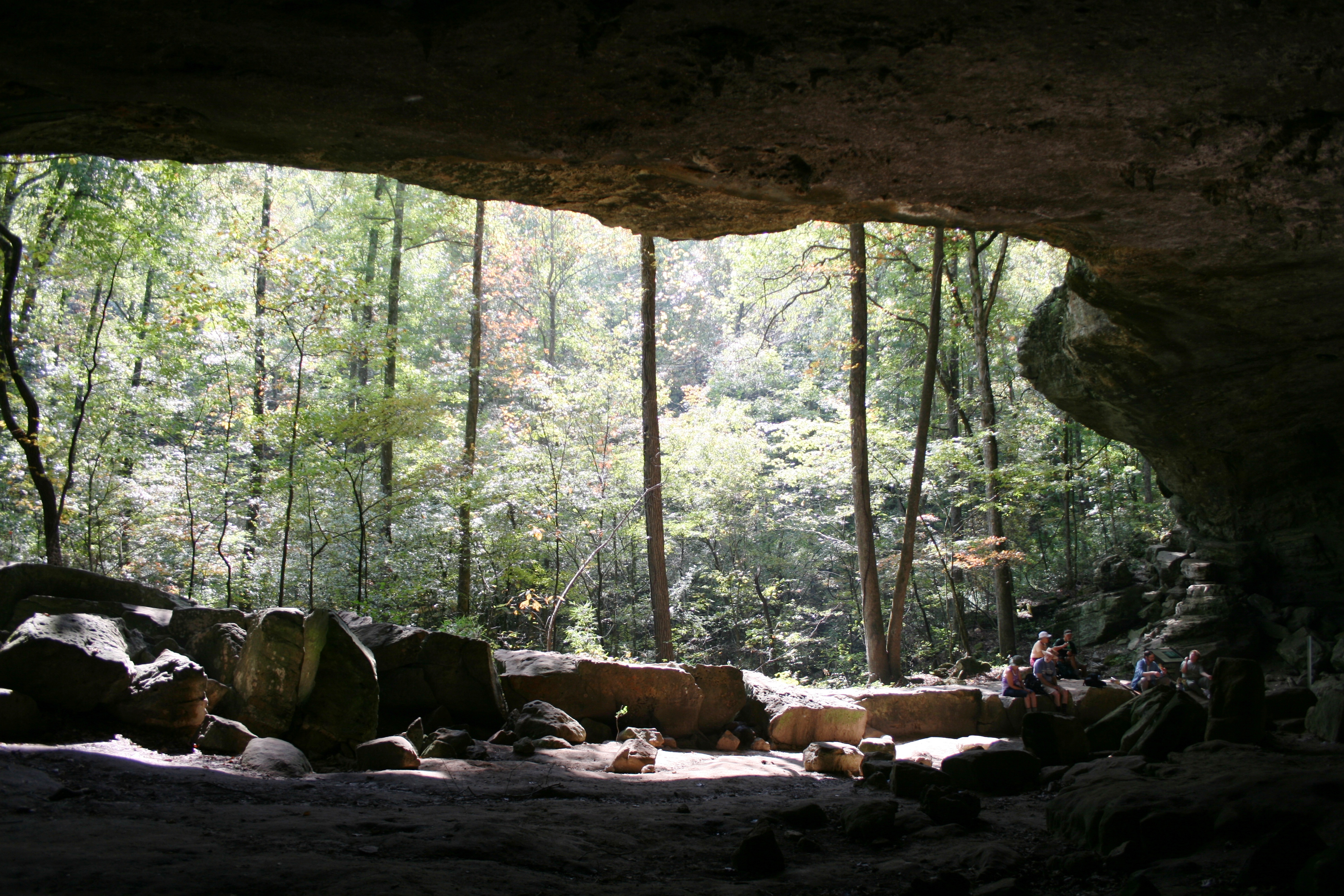
Native Americans lived within the Buffalo River valley on the river terraces and under the massive bluffs. Hike to the bluff shelter known as the Indian Rockhouse. Pioneers settled along the river as well in communities like Erbie and Boxley. Visit the once thriving mining community of Rush.

 
Red tent on a gravel bar along the Buffalo National River

Where to stay

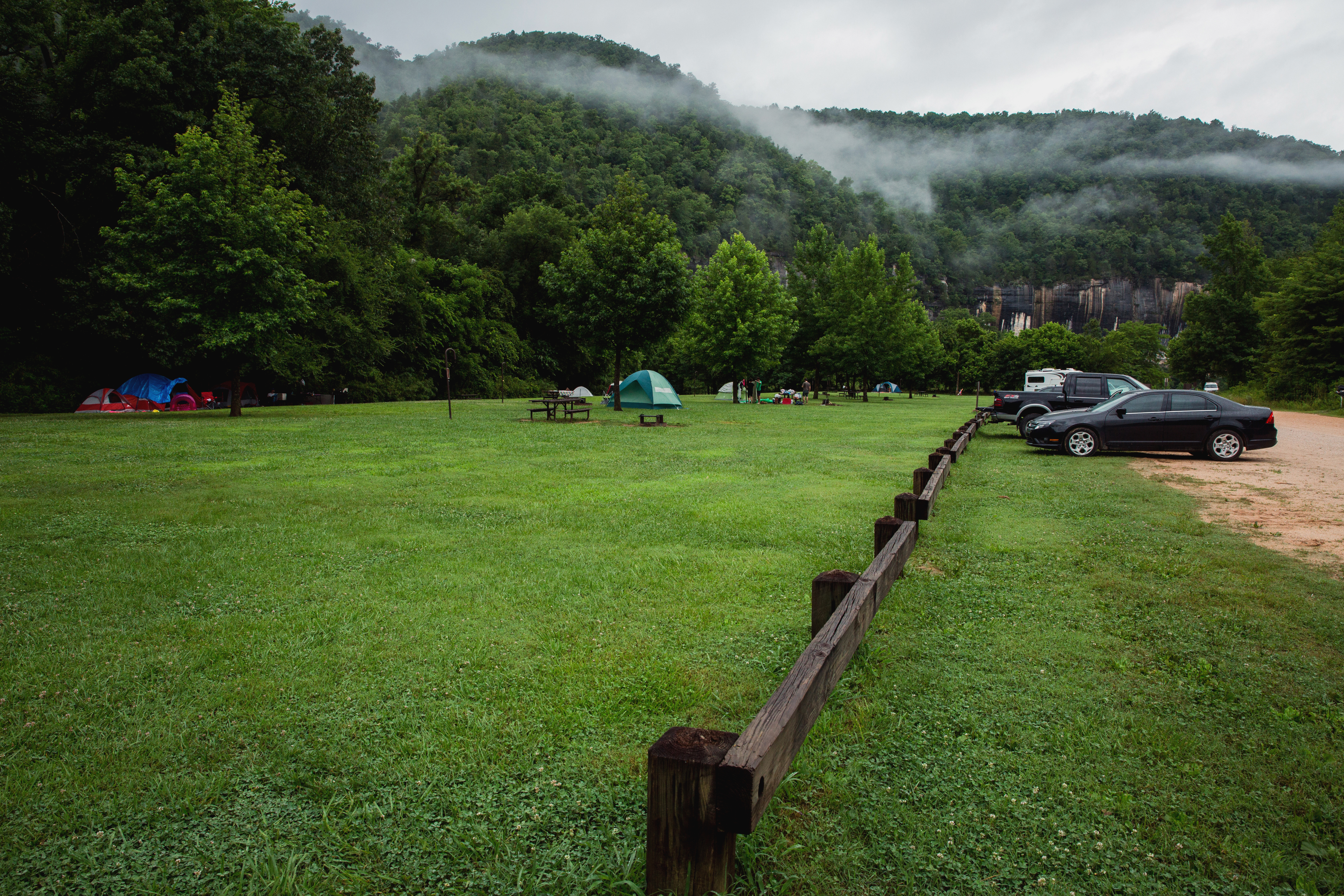
Do you want an outdoor experience? Find a campsite in one of the national river's 13 campgrounds. Campsites range from primitive to hook-ups; these beautiful campgrounds are spaced all along the length of the river. Or take your gear with you and spend the night on a gravel bar. Looking for lodging accommodations? You can stay in rustic cabins constructed by the Civilian Conservation Corps.


Write to

Buffalo National River
402 N. Walnut, Suite 136
Harrison, AR 72601

E-mail Us

Phone

Visitor Information
(870) 439-2502

Park Headquarters
(870) 365-2700

Fax

(870) 365-2701

Climate

The climate for Buffalo National River is typical of the Ozark region and the Mid-South. Winters can be cold with average daily temperatures between 24 and 49 degrees F. Summers can be hot with high humidity; all the better to play in the river. Temperatures range from the mid-80s to high 90s with humidity on some days in the 90% range. Spring is sometimes unsettled, with thunderstorms. Fall can present itself with a burst of color on the trees and comfortable temperatures in the 70s - 80s.
Skip to SearchSkip to NavigationSkip to BodySkip to Footer
The front of the Tyler Bend Visitor Center.

Did You Know?
Did you know that the Tyler Bend Visitor Center is a great place to receive information about Buffalo National River? The center offers exhibits, books, films, and park information.

Last Updated: December 09, 2011 at 09:02 MST

CANCEL

You are exiting the National Park Service website

Thank you for visiting our site.

You will now be redirected to:

We hope your visit was informative and enjoyable.