
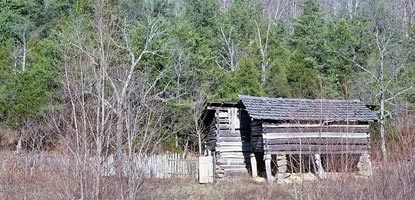
Sam Perry Human occupation of the Upper Cumberland Plateau began approximately 12,000 years ago. These prehistoric American Indian hunters and gatherers were nomadic and moved through this area living off of the abundant game and plants that were present here. About 1,000 years ago, more stable food became available through the invention of farming. However, without modern fertilizers the soils of the plateau are not very suitable for farming and most of the American Indian groups moved to the broad, fertile river valleys. But hunting and gathering was such a productive way of life that some of the small nomadic groups continued to practice that lifestyle throughout the area. Other American Indian groups from villages and towns in the river bottoms would also come to the plateau to supplement their corn, bean, squash food supply. We do not know what these prehistoric people called themselves, but by the late 1700s, Cherokee people were known to be in this area. Big South Fork National River and Recreation Area was established to protect and interpret the evidence and remains of these past ways of life, while at the same time allowing for numerous recreational outdoor activities. |
 |
|
Last updated: February 19, 2016