National Park Service LogoU.S. Department of the InteriorNational Park ServiceNational Park Service
National Park Service:  U.S. Department of the InteriorNational Park Service Arrowhead
Bandelier National MonumentPinon cone with seed
view map
text size:largestlargernormal
printer friendly
Bandelier National Monument
Pinon-Juniper Woodlands and Savannahs
coyote
Photo by Sally King
Coyotes find plentiful food with the cottontail rabbits, pinon mice, and pocket gophers in the Pinon-Juniper Woodland.
Once you move up in elevation from the Rio Grande and canyon-bottom streams, you will find pinon-juniper woodlands and savannahs. Pinon pine and juniper trees live here because they are well adapted to drought conditions. This plant community provides essential food for the pinon jay, cottontail rabbits, and pinon mice. With its calorie-rich nuts, the pinon pine provided an important though sporadic ingredient in the Ancestral Pueblo diet. Junipers provided edible berries and durable wood for toolmaking.
 
Eastern Fence Lizard
Photo by Sally King
A sunny rock in the Pinon-Juniper Woodland is a good place to spot an Eastern Fence Lizard displaying his colors.

Soil erosion is a major problem in this zone due to past practices of livestock overgrazing and fire suppression.  Severe droughts in the early 2000s caused large-scale die-offs of these trees across the Pajarito Plateau.  These two factors have dramatically altered the pinon-juniper communities in Bandelier.


Click here for more information on restoring the Pinon-Juniper Woodland.

 
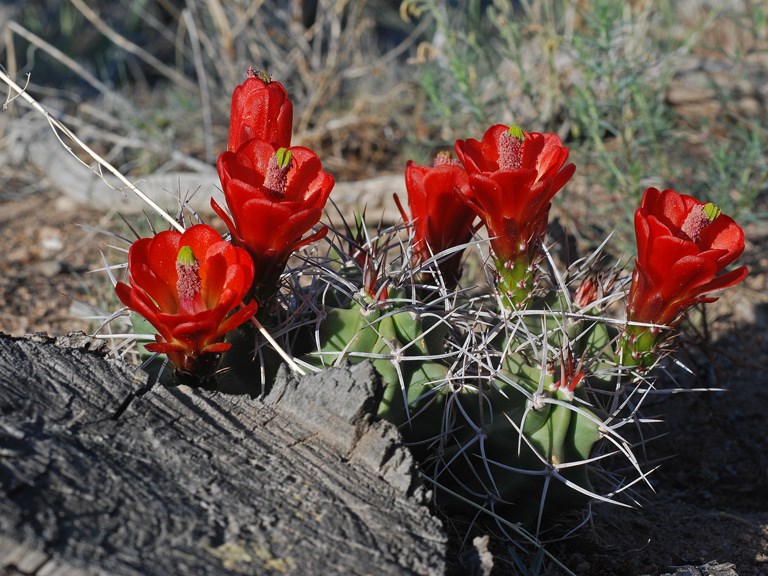
Yucca, Claretcup Cactus, Juniper Berries
Photos by Sally King
The Pinon-Juniper Woodland has a wide range of plant life.
 
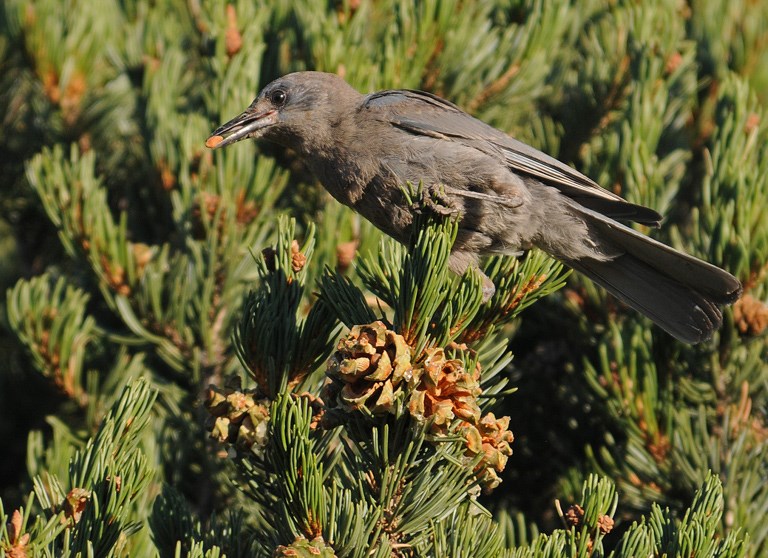
Pinon Jay
Photo by Sally King
Pinon Jays follow the sporadic nut production of the Pinon Pine. These nuts are an essential ingredient in the bird's diet.
Black-chinned Hummingbird chicks in nest  

Did You Know?
Hummingbirds use a combination of plant material, lichens, and moss held together by spider webs to make a flexible nest. This nest can expand to meet the needs of the growing chicks.

Last Updated: November 19, 2007 at 17:10 EST