



Last updated: April 9, 2024
Place
Baltimore National Heritage Area
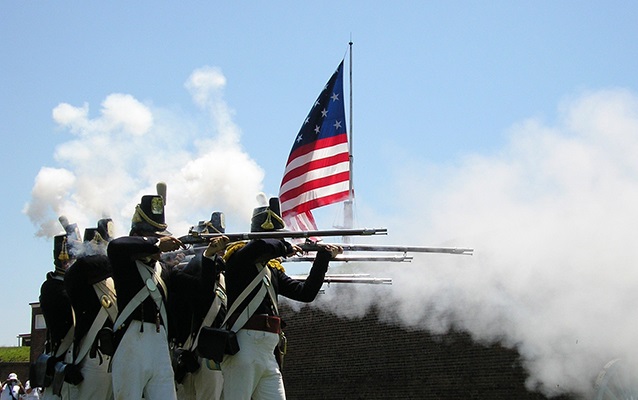
Baltimore National Heritage Area
Quick Facts
Location:
Baltimore, MD
Significance:
Baltimore’s concentration of historic, cultural, and natural resources makes the city a truly unique place. The city has been witness to events that have dramatically altered the course of the nation’s history. Over the centuries Baltimore has also been witness to more subtle changes in the way Americans work, play, and live. With heritage area designation, both the state of Maryland and the U.S. Congress have acknowledged Baltimore for its capacity to tell these important stories.
Designation:
National Heritage Area
MANAGED BY:
The Baltimore National Heritage Area (BNHA) promotes, preserves, and enhances Baltimore’s cultural and historic legacy and natural resources for current and future generations. Originally in the Office of the Mayor, BNHA is now managed through the non-profit Baltimore Heritage Area Association, Inc.
The purpose of the heritage area is to help local agencies and non-profits with projects and programs that recognize and protect heritage resources; develop recreational and educational opportunities; increase public awareness and appreciation of natural, historic, scenic, and cultural resources; protect and restore historic places that reflect the area’s themes; and identify points of interest.
One of BNHA’s most visible projects is its network of urban heritage trails. BNHA works n partnership with Fort McHenry National Monument and Historic Shrine. Things to do in BNHA. The Year in Review publications is an in-depth look at the heritage area's impacts.
The Baltimore National Heritage Area includes the following National Historic Landmarks:
The purpose of the heritage area is to help local agencies and non-profits with projects and programs that recognize and protect heritage resources; develop recreational and educational opportunities; increase public awareness and appreciation of natural, historic, scenic, and cultural resources; protect and restore historic places that reflect the area’s themes; and identify points of interest.
One of BNHA’s most visible projects is its network of urban heritage trails. BNHA works n partnership with Fort McHenry National Monument and Historic Shrine. Things to do in BNHA. The Year in Review publications is an in-depth look at the heritage area's impacts.
The Baltimore National Heritage Area includes the following National Historic Landmarks:
- Basilica of the Assumption (Baltimore Basilica)
- Davidge Hall (College of Medicine of Maryland)
- Edgar Allan Poe House
- First Unitarian Church of Baltimore
- Star-Spangled Banner Flag House
- H.L. Mencken House
- Lightship Chesapeake
- Mount Clare Station and Roundhouse
- Peale Museum
- Phoenix Shot Tower
- Saint Mary's Seminary Chapel
- Steam Tug Baltimore
- USCGC Taney
- USS Constellation
- USS Torsk