[NPS Arrowhead] U.S. Dept. of Interior National Park Service Archeology Program
Quick Menu Features
* Sitemap* Home
  Archeology For Interpreters: A Guide To Knowledge Of The Resource   Use What You Know: Highlighted Case Study Distance Learning


What do broken dishes, rusty nails and oyster shells really tell us about the people who lived at this site?

(photo)


Oyster shells, a stoneware jug fragment, wrought and cut nails, a tobacco pipe stem, various early 19th-century ceramics, Colono Ware, and bottle glass are some of the artifacts recovered from the Hooe Dependency Site. (Matthew Reeves, University of Maryland)


Most people see artifacts displayed in museums or pictured in books. Visitors may not understand that the archeological process involves much more than just digging up old things. Archeology is really about understanding how past people lived and applying that knowledge to how we live today. But how do archeologists learn about past people from artifacts?

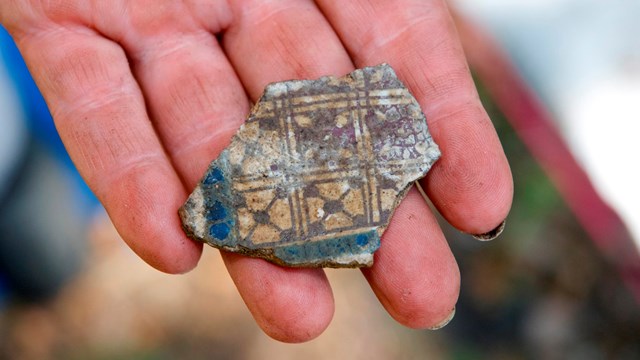
The archeology conducted at the Hooe Dependency Site and archival research done prior to excavation strongly support the possibility that it housed some of the Hooe family's enslaved field workers prior to the plantation's downsizing in the mid 1820s. The broken dishes, rusty nails, and oyster shells that archeologists recovered at the Hooe Dependency Site tell us about how its occupants lived. Archeologists studied several things as they analyzed these artifacts: artifact types, artifact distribution and household association.


  back  next  


MJB/MDC