[NPS Arrowhead] U.S. Dept. of Interior National Park Service Archeology Program
Quick Menu Features
* Sitemap * Home
  Archeology For Interpreters: A Guide To Knowledge Of The Resource   What Are Our Personal And Professional Responsibilities? Distance Learning


Introduction

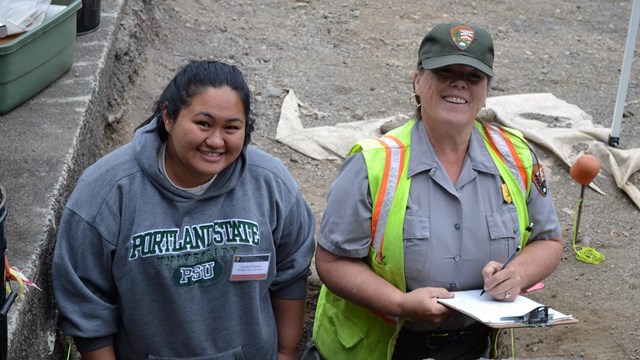
(photo)

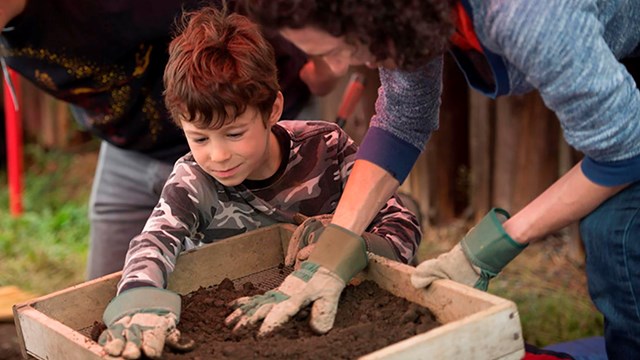
A park interpreter and archeologist discuss excavated units at Fort Vancouver National Historic Site. (NPS)
 

Both interpreters and archeologists should be aware of the range of our responsibilities to visitors, associated communities, and the resources themselves. Interpreters know how important it is to consider the audience and how best to communicate. Archeologists are aware of the demanding ethical standards of their profession. Together, they can design effective interpretation that promotes stewardship and reaches all parts of the interested public.

Archeologist's professional ethics

Archeologists have ethical responsibilities regarding the treatment of Native Americans and their cultural remains, professional research standards, dissemination of research, and resource management. As an established profession, archeology maintains ethical standards by which its members must adhere. Such standards ensure that archeologists maintain a high level of professionalism as they conduct research and share it with the public.


FOR YOUR INFORMATION

Click on the following links to access information about professional archeological organizations and their ethics and conduct codes:

The Register of Professional Archaeologists (RPA)


The Society for American Archaeology (SAA)


The Society for Historical Archaeology (SHA)


The Archaeological Institute of America (AIA)


World Archaeological Congress


(12/4/07)

 
  back  next  


MJB/MDC