|
|||||||||
|
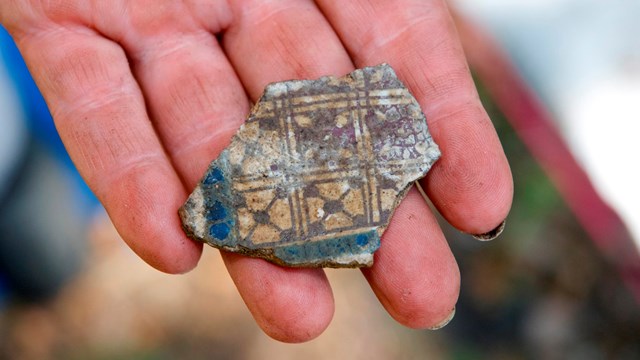
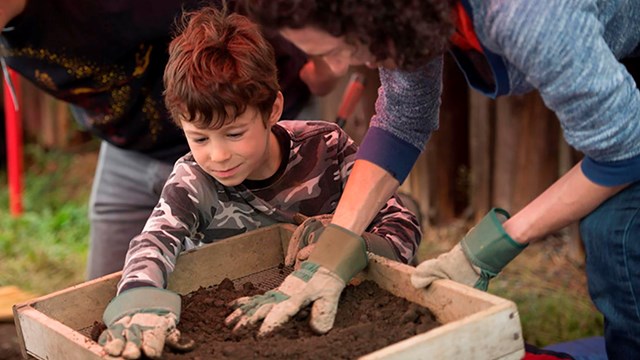
Archeological resources are the physical evidences of past human activity, including evidences of the effect of that activity on the environment. Archeological resources represent both prehistoric and historic time periods and may contain a wide array of material culture. Archeology can tell us a great deal about people and sites we already know a lot about. It plays an even greater role in helping us understand the lives of people who may not show up in the historical record-people like children, women, servants, minority groups, and free and enslaved African Americans. Archeology enables us to understand how people have lived on and affected the landscape over time and interacted with one another. Established in 1940, Manassas National Battlefield Park memorializes those soldiers who lost their lives in the First and Second Battles of Manassas during the Civil War. The park provides an opportunity to study these military activities as well as the social history of the community in whose midst the battles were fought. Archeological excavations have revealed a diversity of cultures and social classes that lived there before and after the Civil War. Today visitors see open fields and wooded areas when they visit the park. But a closer study of the park's landscape reveals the marks that prehistoric people, farmers and plantation owners and their families, enslaved and free African Americans, soldiers, tavern keepers, and entrepreneurs have left on the landscape. In many cases archeology has offered the only evidence of these people's lives. Such evidence leads us to ask more questions as we try to understand the people who generated the park's prehistory and history.
|
|
|||||||||||
MJB/MDC