
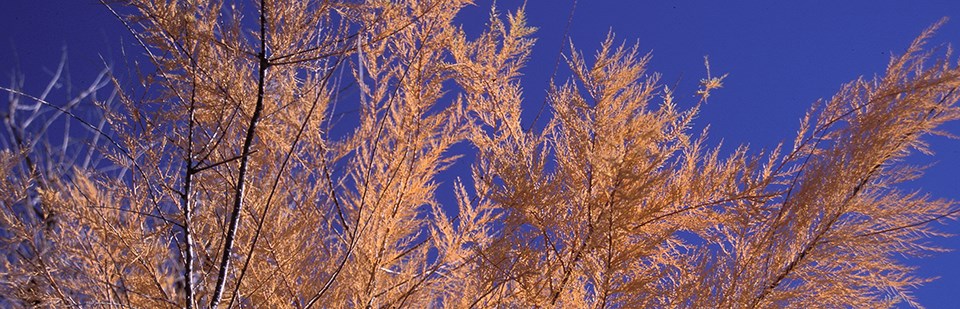
NPS/Neal Herbert Non-native species are a problem throughout the American west, and Arches is no exception. Several animal and plant infestations have significantly altered the area's ecology, disrupting food chains and nutrient cycles by out-competing native organisms in their own habitat. Non-native plants impacting Arches include tamarisk (salt cedar), cheat grass, Russian knapweed and Russian olive. There are also 40 species of non-native fish living in the upper basin of the Colorado River, which forms part of the park’s southern boundary. Non-native birds, such as starlings and English sparrows, typically inhabit urban areas and are not a problem in the park. Many scientific studies have been conducted to understand the impact of these species and, in some cases, to eradicate them. Thus far, success has been limited, and the issue of non-native species is likely to receive continued attention in the coming years. Read More |
 |
|
Last updated: July 29, 2021