
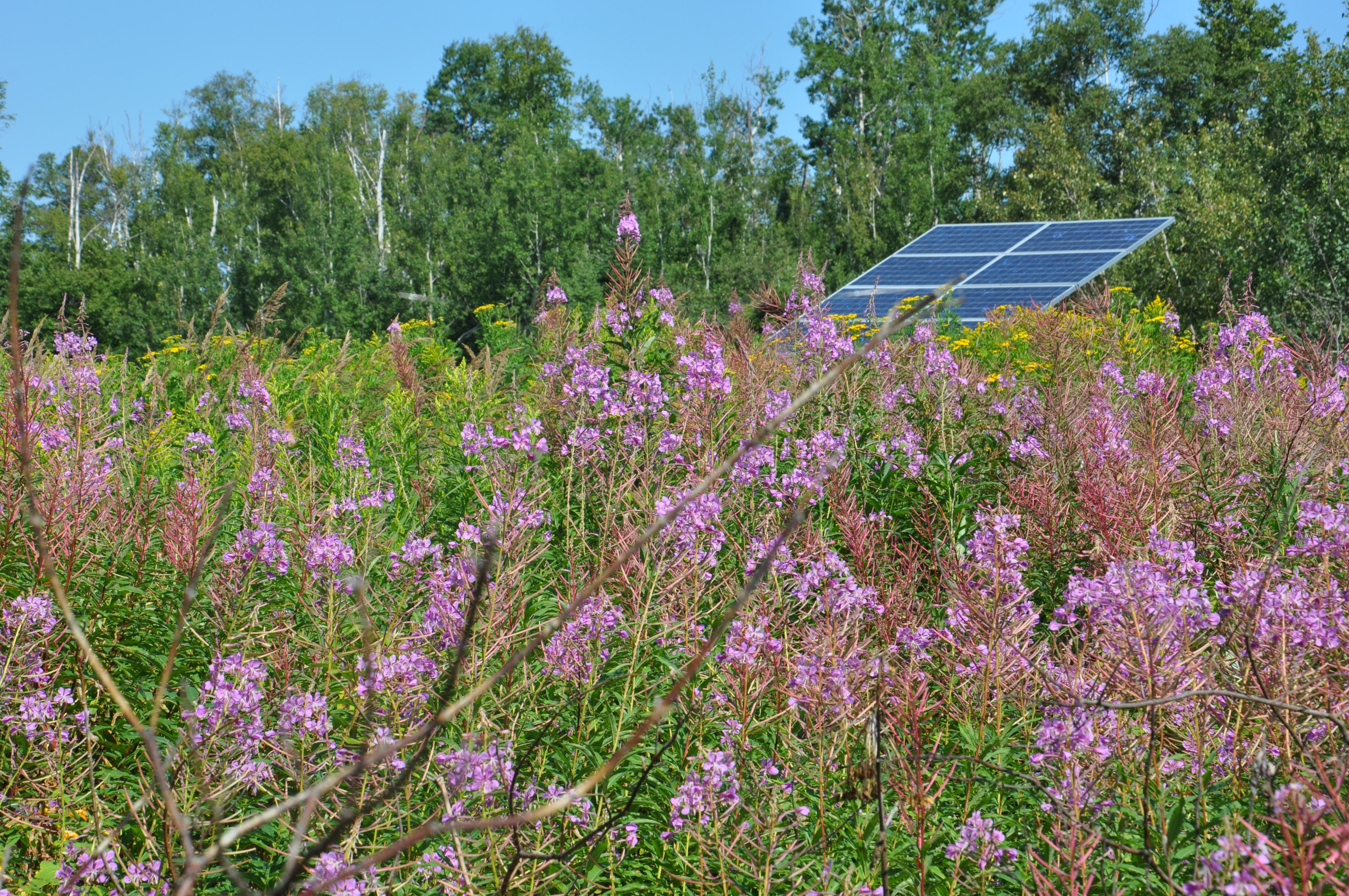
NPS Photo The National Park Service is responsible for the stewardship of natural and cultural resources and management of visitor amenities and park infrastructure. Apostle Islands National Lakeshore (park) seeks to foster sustainable practices and promote innovative solutions in the face of a changing climate by embracing the NPS Climate Change Response Strategy. Adaptation, Science and Communication are interwoven in our Vulnerability Assessment. The Apostle Islands National Lakeshore Sustainability Commitment strives for "maximum sensitivity and protection for the park's (and the planet's) natural and cultural resources, doing so in a way that is economically sensible and considers the short and the long-term impacts of our decisions" and asks that everyone commit to mitigation in any way possible. Mitigate the CauseThough adapting to climate change is at the core of National Park Service (NPS) strategy, it is far easier and more cost effective to prevent aspects of climate change from happening in the first place than to manage their effects. The NPS recognizes that many of our activities, decisions, and plans have impacts on greenhouse gas (GHG) emissions and storage. Therefore, responding to climate change begins with limiting our own emissions and incorporating climate-friendly practices into our management and culture. Minimizing the cause of climate change is often called mitigation, and it involves reducing our "carbon footprint" by using less energy (and/or shifting to renewable and alternative energy options) and appropriately altering our land management practices. Mitigation is also achieved through carbon sequestration, a process by which carbon dioxide (CO2) from the atmosphere is taken up by biological and physical processes, taking carbon out of the atmosphere. The most common form of sequestration is photosynthesis in plants (e.g., tree trunks and roots, grasses, algae), which converts CO2 into biomass. The giant sequoia trees in California and the mangroves along the Gulf Coast are critically important as they pull large amounts of CO2 out of the atmosphere. The NPS manages much of the lands that these two species are found. The NPS is a model of thoughtful and environmental sensitive climate stewardship. Beginning in 2007, Aposte Islands National Lakeshore joined the Climate Friendly Parks Program and developed our Action Plan to help provide management direction. Actions include reducing GHG emissions within park boundaries and at NPS offices and encouraging low-cost efficiency and conservation measures that mitigate climate change. How You Can Help Reduce Greenhouse Gas Emissions at HomeGet a Home Energy AuditTake advantage of the free home energy audits offered by many utilities. Then put the recommendations into practice. Simple measures, such as installing a programmable thermostat to replace your old dial unit or sealing and insulating heating and cooling ducts, can each reduce a typical family's carbon dioxide emissions by about 5 percent. Replacing single-paned windows with dual-paned windows and installing insulated doors will also greatly reduce heat loss from your home. Use Renewable EnergyMore than half the electricity in the United States comes from polluting coal-fired power plants. And power plants are the single largest source of heat-trapping gas. Fortunately, the use of alternative energy sources, such as solar, wind, and geothermal, are gaining increased support worldwide. The wind energy produced in Denmark, for example, provides about 10 percent of the country's total energy needs. These methods of energy production emit no greenhouse gases once they are up and running.In most states, alternatives are available for customers who want to purchase green power (50 to 100 percent renewable energy). For a complete list of green power options, visit the US Department of Energy's Buying Clean Electricity web page. Purchase Solar PanelsWith the federal and state governments offering residential renewable energy incentives, solar energy is more accessible than ever before, not to mention an excellent long-term investment. Adjust your thermostatTurning you themostat down 3 degrees Fahrenheit in the winter and up 3 degrees Fahrenheit in the summer will reduce carbon dioxide emissions by about 1,050 pounds per year. By using a programmable thermostat, you can automatically lower your monthly energy bill by giving your heat and air conditioning a break while you are asleep or out, in addition to reducing carbon dioxide emissions another 1,050 pounds per year. Install Solar LightsFrom outside, solar lights look like small skylights on the roof. Inside the house, they magnify the sun, delivering strong, natural light, with no power needed. While they are most useful to interior rooms with no windows, they could also be used to illuminate darker corners of rooms with windows. Use Energy-saving Light BulbsIf every household in the United States replaced one regular light bulb with an energy-saving model, we could reduce global warming pollution by more than 90 billion pounds over the life of the bulbs; the same as taking 6.3 million cars off the road. So, replace your incandescent bulbs with more efficient LEDs, which now come in all shapes and sizes. CFLs use a quarter of the energy incandescent lights use and last 20 times as long. Not only will you be reducing greenhouse gas emissions, but you will save money on your electric bills and light bulbs as well. Look for the Energy Star LabelWhen it comes time to replace appliances, look for the ENERGY STAR® label on new appliances (refrigerators, freezers, furnaces, air conditioners, and water heaters use the most energy). These items may cost a bit more initially, but the energy savings will pay back the extra investment within a couple of years. Household energy savings really can make a difference: If each household in the United States replaced its existing appliances with the most efficient models available, we would save $15 billion in energy costs and eliminate 175 million tons of heat-trapping gases. The United States would need 30 fewer power plants if all Americans used the most efficient refrigerators. ElectronicsReduce your use of energy reliant products, especially heavy consumers such as televisions and computers. Turn off computers when not in use. Many people may remember being told that turning a computer on and off several times a day reduced the computer's life span. With new computers, this is no longer true, particularly given that computers are rarely used for longer than a few years before being replaced. If you are going to be away from a newer computer for more than ten minutes, go ahead and turn it off. Reduce the amount of time spent aimlessly surfing the web. Reduce the amount of time you watch television and read a book. Many electronics continue to use electricity even if they are turned off. By connecting electronics to power strips or surge protectors and turning these off when not in use, you can greatly reduce energy consumption. Install tankless water heatersTankless water heaters fit on walls under sinks and warm only as much water as is needed, so there is little energy wasted. A tankless heater costs $800 more than a regular heater but uses less energy and reduces electric bills about $20 each month. Wash clothes in cold or warm waterYou can reduce your carbon dioxide emissions considerably by (about 550 pounds by) not using hot water on two loads of laundry a week. Line-dry clothesHanging clothes out to dry requires no electricity or natural gas use. Plant a native gardenInstead of maintaining a water-thirsty lawn and using a lot of fertilizers and herbicides (most of which are produced from petrochemicals) to keep your lawn green and weed-free, plant native vegetation and install a drip irrigation system run by a "smart" sprinkler control. These "smart" sprinklers are rather versatile. They can determine whether it has rained recently and will not water the plants if it has. They are also programmable relative to certain types of plants, as opposed to zones. So if certain plants need more water than others, they get it without drowning out other less water-loving plants. These "smart" sprinkler controllers cost about $200, but can save dozens of dollars a month in water. Use non-toxic household productsMany common household cleaners and other household products are toxic, in addition to being petroleum-based. Toxic chemicals in the home can be eliminated simply by making thoughtful choices in the supermarket after educating oneself about where the hazards are in common consumer products. How can you determine what toxics you have in your home and what products may be safe substitutes? Check out the EPA's Protect the Environment: At Home and in the Garden web page to learn more. Get your family involvedDevelop a plan to reduce daily electricity use around your home. Ask each member of your household to take responsibility for a different electricity-saving action. What you do matters! |
Last updated: March 9, 2022