National Park Service arrowhead logo National Park Service, US Department of Interior
Visit ParkWise!Home for ParkWiseTeacher Resources Student Resources

Introduction

Task

Process
Writing Activity
Assessment
Teacher Notes

ParkWise > Teachers > Planning >Denali Planning WebQuest

Denali Planning WebQuest:
Introduction

Planning for the future of national parks means that park researchers have to study park resources to make sure they are not threatened. There are many ways that visitors can enjoy their national parks, by car, on foot, and like these two visitors, on bikes.
NPS Photos from left to right: Tour bus at Denali National Park, a national park researcher,
two bicyclists enjoy the beauty of Denali.

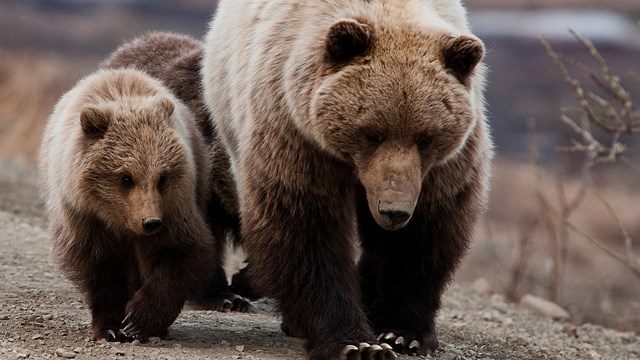
Denali National Park and Preserve (DNP&P) is a 6-million-acre park in the sub arctic interior of Alaska. It was created over 80 years ago to protect a complete sub-arctic eco-system with large mammals such as dall sheep, caribou, grizzly bears, wolves, moose and golden eagles. The park straddles the Alaska Range and includes Mt. McKinley, the tallest peak in North America. The park is known worldwide for its wilderness qualities and opportunities to see wildlife. Most of the 375,000 yearly visitors enjoy the park during in the 120-day summer season. That's a lot of people in a short amount of time! The general future vision for the park is to offer outstanding opportunities to observe large wildlife species and the highest peak in North America in a primitive, natural setting well into the future.

Planning for the future of the park is a high priority for your National Park Service. Management is directed by law, policy, and plans, in that order. Park managers and staff do not make laws but one of their jobs is to implement laws.

Park managers must obey the laws created by Congress that established DNP&P in order to plan for the future. They must carefully consider all of these specific points when planning.

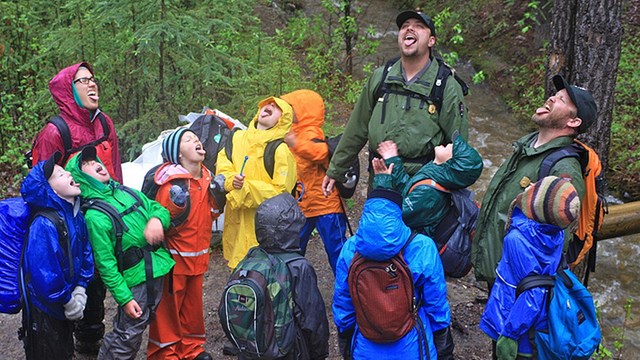
  • Preserve lands and waters for the benefit, use, education, and inspiration of present and future generations.
  • Preserve unrivaled scenic and geological values associated with natural landscapes.
  • Maintain sound populations of, and habitat for, wildlife species.
  • Preserve extensive, unaltered ecosystems in their natural state.
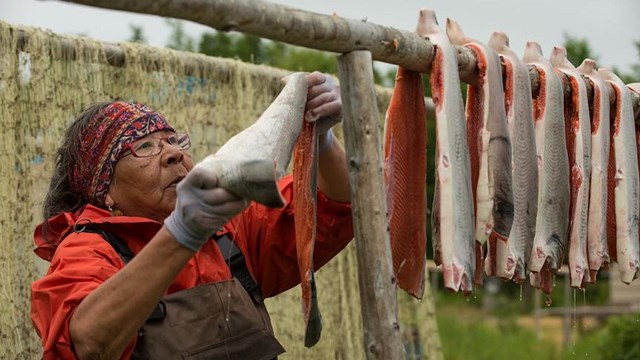
  • Protect resources related to subsistence needs.
  • Protect historic and archeological sites.
  • Preserve wilderness resource values and related recreational opportunities.
  • Maintain opportunities for scientific research in undisturbed ecosystems.
  • Provide the opportunity for rural residents to engage in subsistence way of life.
  • Protect and interpret the entire mountain massif and the additional scenic mountain peaks and formations.
  • Provide continued opportunities, including reasonable access, for mountain climbing, mountaineering, and other wilderness recreational activities.
  • Besides following the laws, managers must also resolve the "wants" - the things that different people want to happen in the park, some of which are mutually compatible and achievable and some which are not.

    > Task >