National Park Service arrowhead logo National Park Service, US Department of Interior
Visit ParkWise!Home for ParkWiseTeacher Resources Student Resources

Overview

Background

Unit Outline
Final Activity
Final Activity Assessment
Instructional Resources
National Standards

ParkWise > Teachers > Nature > Fly Away! > Unit Outline

Activity 4:
Spatial Migration Game

Students try to demonstrate and guess different migratory species.

Unit: Fly Away
Guiding Question: Why are there different types of migration?
Critical Content: Students will understand different species use different types of migration depending on their own life histories, environment and climate.
Grades: 3-7

Duration: 45-60 minutes
Group size: small groups of 3-4.
Setting: classroom

Materials: globe, masking tape, desks grouped together into "mountains".

Before You Begin:

  • The teacher should review Migration Basics and present to the students the different types of spatial migration. It may be helpful to review longitude and latitude with the students before you begin this game.

  • Using the information already gathered on various migratory animals from previous activities, students should write down on index cards the name of a migratory animal and the general route of migration. For example, humpback whales are longitudinal migrants that move from Alaska to Hawaii each year.

Procedures:

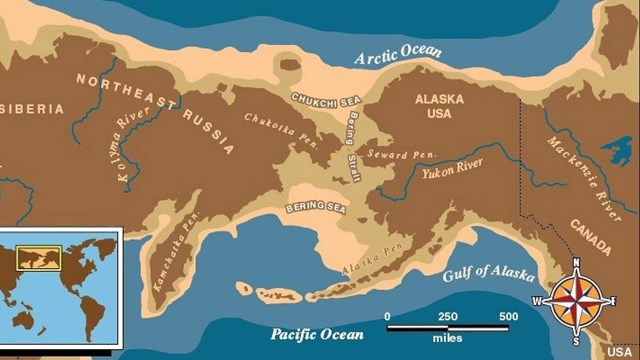
  • Have students set up the room so that it represents the western hemisphere of the earth, marking the equator and the major longitude and latitude lines with masking tape. There should also be some "mountains" arranged for North and South America as well as Canada and Alaska.

  • This game is played like charades except the students act out the migration patterns of the animals and the other teams guess the animals.

    One team picks a card and demonstrates how the animal moves during its migration. Allow the students a little time to consult and prepare exactly what they want to present. A globe should be available so that students can move correctly along the latitudinal and longitudinal lines.

    The other teams have to guess what animal it is based on the clues presented. Clues could include the latitude where the animal is located or students can pretend to be the animal, etc.

    The team that identifies the animal correctly must also identify which type of spatial migration occurs. If they are correct then they receive a point.

Discussion Questions:

  1. What types of migration occur in the animal world?

  2. Why do these different types exist?