Invasive Species in Alaska

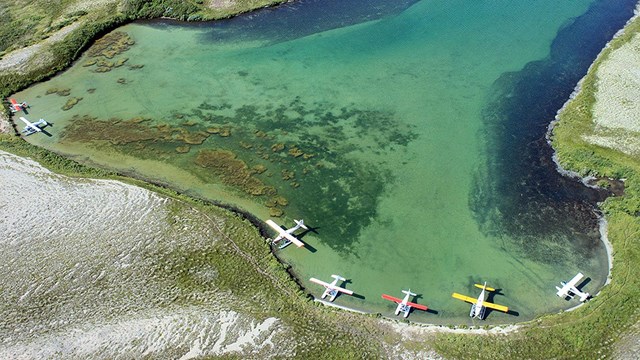
This is a slide show of images from the Alaska Region.

Alaska's national parks are home to complex native communities of plants and animals that have developed over millions of years. The delicate natural balance within these communities is threatened by the influx of invasive species, which are considered the second greatest threat to biodiversity after habitat loss.

Invasive species display rapid growth, spread with little or no human assistance, and are expensive to remove and difficult to control once established. These species are a concern because they can out-compete native species for limited resources and can change the structure and function of ecosystems. Establishment of invasive species can also result in loss of habitat and food sources for native insects, birds, fish, and other wildlife.

Alaska Exotic Plant Management

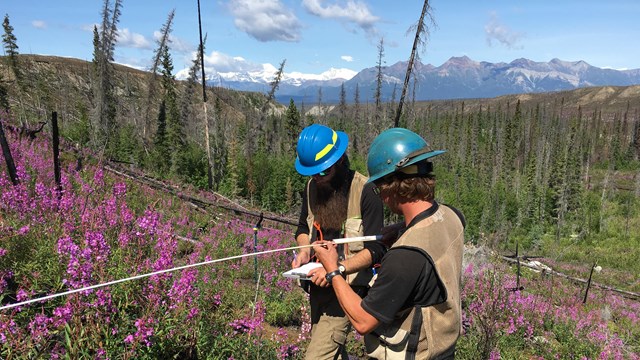
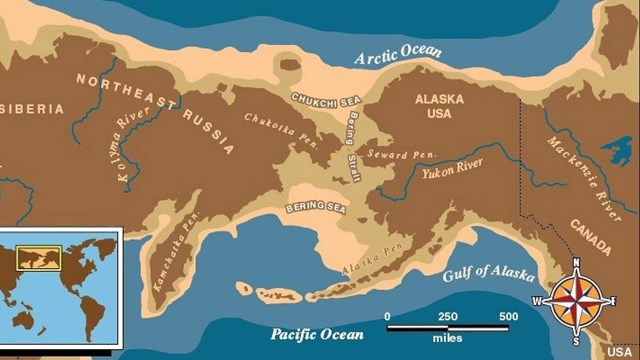
The Alaska Exotic Plant Management Team provides invasive plant management assistance to each of the 16 national parks in Alaska. These parks cover over 52 million acres of pristine natural areas and wilderness, including coastal fjords, glacial valleys, tundra, and boreal forests. The majority of national parks in Alaska contain healthy, intact native ecosystems with very low levels of infestation by invasive plants.

National Park Service Invasive Species Program

The National Park Service is working to manage invasive species on park lands through a suite of national and local programs. At the national level , NPS has fostered a successful invasive plant management program with the creation of the Exotic Plant Management Teams (EPMT). Almost all parks have incorporated invasive species management into long range planning goals for natural and cultural landscapes, as well as day to day operations.

Last Updated: May 7, 2013