Environment

series of photos highlighting physical natural features in Alaska national parks including an ice cave, whispy clouds, and a small stream

Ocean and Coast

Alaska has close to 34,000 miles of shoreline -- more than the rest of the U.S. combined. The ocean is an integral part of Alaska's aquatic and terrestrial ecosystems, weather, economy, history, and culture. As changes occur and pressures on the ocean's resource increase, it is more important than ever to monitor, understand, minimize impact, and preserve resources associated with oceans and coastline. Learn more about what the National Park Service is doing to conserve and restore ocean and coastal areas.

Water

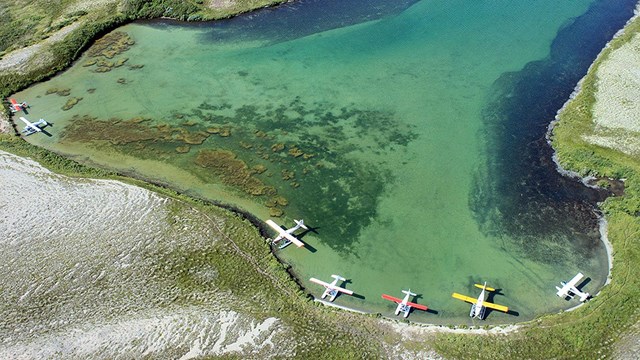
Alaska's parks are home to some of the most pristine water resources in the national park system. Long-term monitoring efforts are underway in parks to understand, recognize changes, and respond to potential negative trends.

Soundscapes and Night Sky

The natural and unnatural sounds of a given place are an important resource and may shape or disturb an ecosystem. Likewise, the night sky is also an important resource, and understanding and limiting pollution is an important part of preserving natural resources.

Air

While many consider Alaska's air pristine, regional and global air circulation make monitoring air quality a top priority in Alaska national parks.

Geology

Alaska is located in a tectonically active region. Exploring and studying geologic features and processes in Alaska can be quite exciting. Glacially-carved valleys, volcanoes, earthquakes, changing shorelines, ancient fossils, and frequent avalanches are all part of the dynamic and intriguing national parks of Alaska.


Last Updated: April 24, 2013