Subsistence in the Denali Area |
|||||||||
|
We
live with this world in a very special way. It means living with the
land, with the animals and with the birds and fish as though they were
your brothers and sisters. It means saying the land is an old friend,
an old friend that your father knew and your grandfather knew
Indeed, a friend that your people have always known.
- Richard
Nerysoo, Native Elder |
|||||||||
|
Paul Starr working his beaver trap in the winter, Paul Starr Photo From the
earliest times humans have been seasonally attracted to Denali's remote
and elevated country because of the concentrations of wildlife and
resources near the Alaska Range. Archeological sites in and adjacent
to the park and preserve document Native occupation and use for as
long as 11,000 years. Through succeeding generations, a family of
peoples evolved who would be identified as Athabaskan. |
|||||||||
|
We
see land as much, much more than others see it. Land is life. Without
our land, and the way of life it has always provided, we can no longer
exist as people. If the relationship is destroyed, we too are destroyed.
- Richard
Nerysoo A Native Elder |
|||||||||
|
Paul
Starr Photo
Traditional Moose skin clothing
|
|||||||||
| Changing
economic and social opportunities in some communities have influenced
the level of use and dependence on subsistence resources. Still many subsistence
users depend upon this land for nearly every aspect of their lives. Each
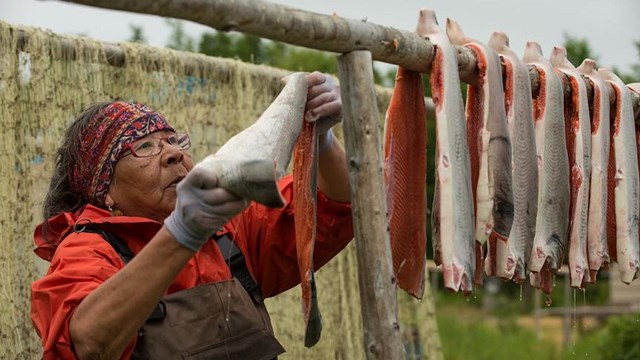
summer and fall they plant gardens, fish, harvest moose or caribou, and
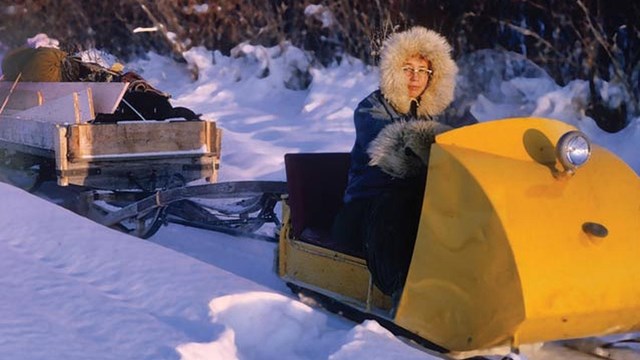
gather berries. During winter months they travel on the trapline by dog
team, snowmachine, skis and snowshoes. They catch wild fur animals for
income, meat, and clothing to ward off severe cold. The land provides
wood for firewood, drying racks and cabin logs, as well as for making
sleds and snowshoes. It also provides sod and mosses for insulation, and
bark for baskets, dyes and handicrafts. |
|||||||||
|
|
|||||||||