National Park Service arrowhead logo National Park Service, US Department of Interior
Visit ParkWise!Home for ParkWiseTeacher Resources Student Resources
Activities
Data
Reference Library
Park Facts
Links
Maps
Photo Gallery

ParkWise > Students > Documents

Inupiaq Values and
Bering Land Bridge National Preserve

Every culture in the world has values that are deeply rooted. Values are our standards, things that we regard as worthwhile and important. They have existed in cultures for thousands of years. Like any culture the Inupiat people have many values. These values are related to traditional beliefs about "how one should be".


Inupiaq values are:

Commitment to the Family Spirituality
Obedience Honesty
Respecting Others Respect of Elders
Humility Humor
Pride in Culture Reverence Towards Nature
Responsibility Avoidance of Conflict
Speaking our Traditional Language Sharing
Love of Children Patience
Hard Work Cooperation
Open Communication  


When you look at these values they are very similar to values of people from other cultures.

One mission of the National Park Service is to conserve and protect natural and cultural resources for the enjoyment and use of future generations. How do these Inupiaq values also ensure that resources are conserved for future generations? What values would one have to help conserve resources? Although these values relate to things that we do everyday, each value has some relation to respecting the land and not being wasteful. When looking at the Inupiaq values one can see how having some of the values would help to conserve resources and take care of the land.

Eight of the nineteen values are explained in the Sitnasuak Native Corporation Elders Committee 1997 Subsistence Calendar:

Commitment to Family and Love of Children - When you are committed to your family you want each member to have the same opportunities or better opportunities to subsist on the wildlife, fish, birds and plants that you did.

Obedience, Avoidance of Conflict and Responsibility - Understanding and following certain rules, regulations or taboos about over-harvesting can ensure that resources are conserved. You are responsible for your actions as a harvester of resources, which may have lasting effects on many other people.

Respecting Others - Respect others right to have resources available for their family and for future generations.

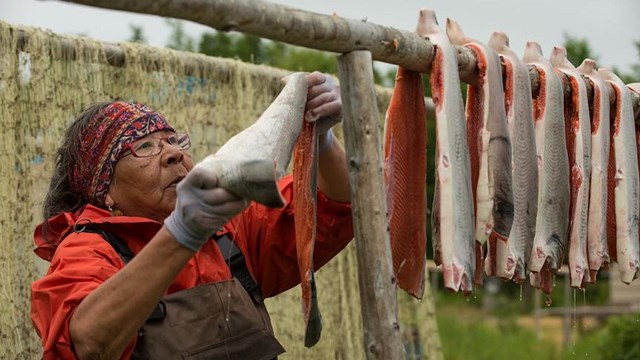
Humility and Sharing - Persons should be modest in their taking of resources, only take what you need. If you do take more always try to share, never waste.

Pride in Culture and Speaking our Traditional Language - Having pride in one's culture can mean understanding how nature is involved in your culture. In speaking your traditional language you keep an important part of your culture alive.

Hard Work, Patience and Cooperation - It takes hard work and patience to be an effective and responsible harvester. It takes everyone in cooperation to help manage our resources.

Open Communication and Honesty - People should work together in their communities, be open and honest, in talking and conserving the resources in their area.

Respect for Elders - Learn from your elders about how to take care of the land and its resources.

Reverence Toward Nature - Respecting the land and all animals will ensure that resources are available in the future.