National Park Service arrowhead logo National Park Service, US Department of Interior
Visit ParkWise!Home for ParkWiseTeacher Resources Student Resources
Activities
Data
Reference Library
Park Facts
Links
Maps
Photo Gallery

ParkWise > Students > Documents

It's All About Resources at
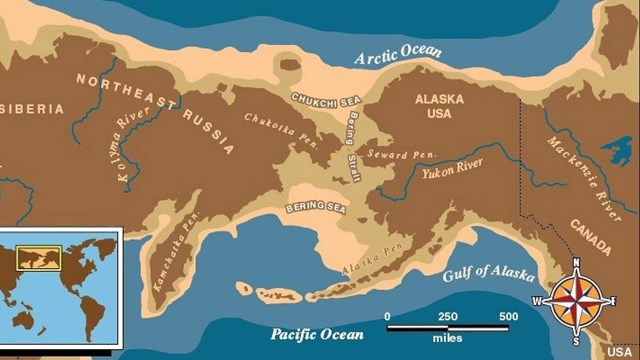
Bering Land Bridge National Preserve

Bering Land Bridge National Preserve contains internationally significant natural and cultural resources. A resource is something that has a value. Natural resources occurring naturally, such as plants and animals, mountains and rivers, forest and tundra, natural quiet and scenery. Cultural resources have to do with past and present cultures, and include such things as archaeological sites and artifacts, locations of ceremonial or religious importance, traditional hunting grounds. One purpose of the Preserve is to preserve and protect these resources.

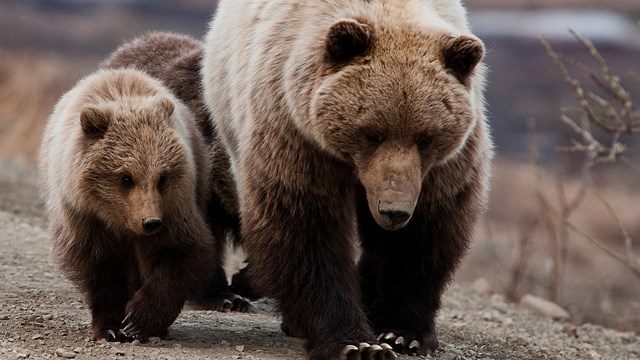
Significant natural resources in the Preserve include: arctic plant communities, habitat for and populations of migratory birds, fish and wildlife (marine mammals, bears, wolves, moose, caribou, etc.) Other natural resources include areas of past volcanic activity (lava flows, maar lakes and hot springs), dynamic coastal barrier beaches, and a full representation of tundra vegetation.

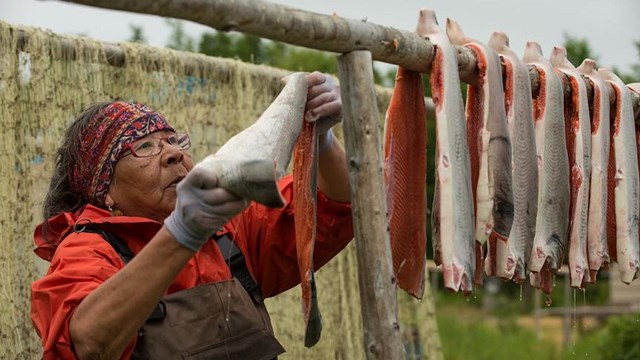
Significant cultural resources in the Preserve include the Trail Creek Caves archaeological site, which dates human occupation in the Preserve as far back as possibly 15,000 years ago. Other resources are former Eskimo village sites. Another cultural value is the continuation of present day subsistence lifestyles, which are similar to the lifestyles that have existed for generations.

As human populations increase in the arctic, more stress is being put on our natural and cultural resources. Although the arctic looks vast and the resources seem endless, they are not. Arctic tundra ecosystems are extremely fragile. It takes decades to hundreds of years for an area that has been disturbed or damaged on the tundra to be restored. This is also true for wildlife populations. Changes in a single plant or wildlife population effect other populations of wildlife that depend on that plant or animal for survival.

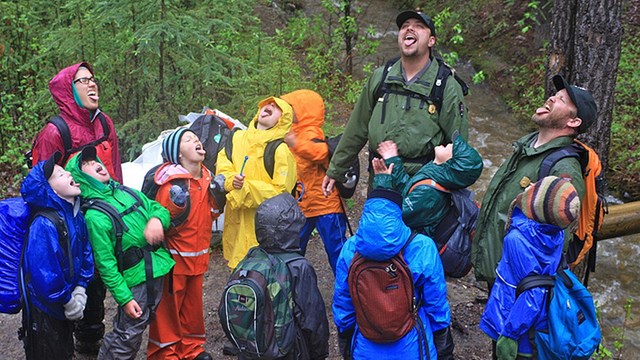
It is important to raise awareness and appreciation for our natural and cultural resources in students. Children are the future of Bering Land Bridge and the future of our world.

In this unit students will become familiar with some of the resources in the Preserve. The first activity, The Lost Jim Lava Flow, is an activity about one geological feature in the Preserve. The second activity, the Beringia Puzzle, is about the importance of archaeological resources in the Preserve. The next two activities, Plant Adaptations and the Perfect Arctic Animal are designed to help students gain an understanding of how unique arctic plants and animals are.