
Skip to SearchSkip to NavigationSkip to BodySkip to Footer
National Park Service LogoU.S. Department of the InteriorNational Park ServiceNational Park Service
National Park Service:  U.S. Department of the InteriorNational Park Service Arrowhead
Sunset Crater Volcano National Monument View of Sunset Crater
view map
text size: largest larger normal
printer friendly

Sunset Crater Volcano National Monument

Sunset Crater Volcano was born in a series of eruptions sometime between 1040 and 1100. Powerful explosions profoundly affected the lives of local people and forever changed the landscape and ecology of the area. Lava flows and cinders still look as fresh and rugged as the day they formed. But among dramatic geologic features, you'll find trees, wildflowers, and signs of wildlife – life returns.


Walk the Lava Flow Trail

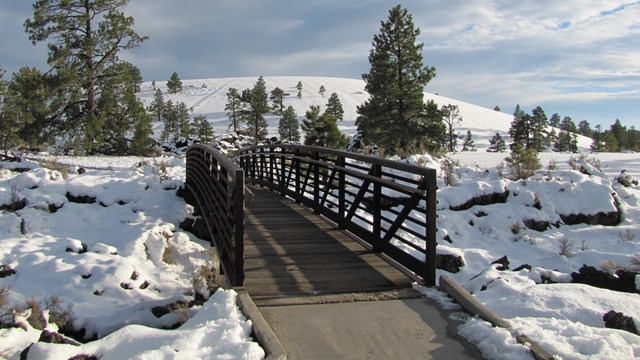
The Lava Flow Trail winds through lava flows and cinder fields at the base of Sunset Crater. It's a one-mile loop through an amazing volcanic landscape.


more...
 

Take a virtual field trip

Explore the Lava Flow Trail from your computer. (The numbered stops don't match those on the real trail - this field trip is strictly virtual.)
more...
 

National Park Service Celebrates First 100 Years

The National Park Service will be 100 years old in 2016. Planning for this major milestone is underway, and you can help. 
more...
 
America's Best Idea

Fee Free Days for 2012

Come celebrate with us during the following Fee Free days at Flagstaff Area National Monuments:

January 14 to 16 - Martin Luther King Jr. Weekend

April 21 to 29 - National Park Week

June 9 - Get Outdoors Day

September 29 - National Public Lands Day

November 10 to 12 - Veteran's Day Weekend


Write to

Superintendent, Flagstaff Area National Monuments
6400 N. Hwy 89
Flagstaff, AZ 86004

E-mail Us

Phone

Headquarters, Flagstaff Area National Monuments
(928) 526-1157

Sunset Crater Volcano National Monument Visitor Center
(928) 526-0502

Fax

(928) 714-0565

Climate

Not all of Arizona is warm dry desert. At Sunset Crater Volcano, spring is usually mild, but heavy snowfall can occur. Summer days are warm with temperatures in the 80s; afternoon thunderstorms are likely July to September. In winter, snow and freezing temperatures alternate with mild weather.

For today's weather, click "more" below.
more...
Skip to SearchSkip to NavigationSkip to BodySkip to Footer

Last Updated: January 03, 2012 at 07:32 MST

CANCEL

You are exiting the National Park Service website

Thank you for visiting our site.

You will now be redirected to:

We hope your visit was informative and enjoyable.